7 Best Ways to Stop Your PDC Bit Wearing Out So Fast?

Time:2026-10-21 Author:Sienna
0%

A PDC bit can look strong at the surface and still lose cutting efficiency underground. Heat, vibration, impact loading, abrasive formations, and poor hydraulic cleaning can quietly damage its cutters. When drilling footage drops earlier than expected, many teams ask, “why is my PDC bit wearing out so fast?” The answer is rarely one isolated mistake.

According to drilling expert Dr. Scott M. Teale, “Bit life is often determined by the drilling environment, not the bit alone.” This practical view matters because a PDC bit works as part of a complete system. Weight on bit, rotary speed, torque, mud properties, nozzle selection, and formation changes all leave visible clues on the cutter table. A dull bit with polished cutters suggests a different problem from one with chipped or missing cutters.

Small details matter.

A sudden torque spike may indicate impact damage. A muddy return flow may reveal weak cleaning. Excessive vibration can turn stable cutting into repeated shock loading. These signs are easy to overlook during a busy shift, and that is where this discussion becomes useful. The seven methods ahead focus on controllable causes, including drilling parameter selection, hydraulic performance, vibration management, bit design, and real-time monitoring.

Not every failure is predictable. Some diagnoses remain uncertain until the bit is inspected. However, careful records, field experience, and disciplined adjustments can substantially improve bit life. The goal is not simply to drill farther. It is to understand why the bit wears, correct the damaging condition, and make the next run more reliable.
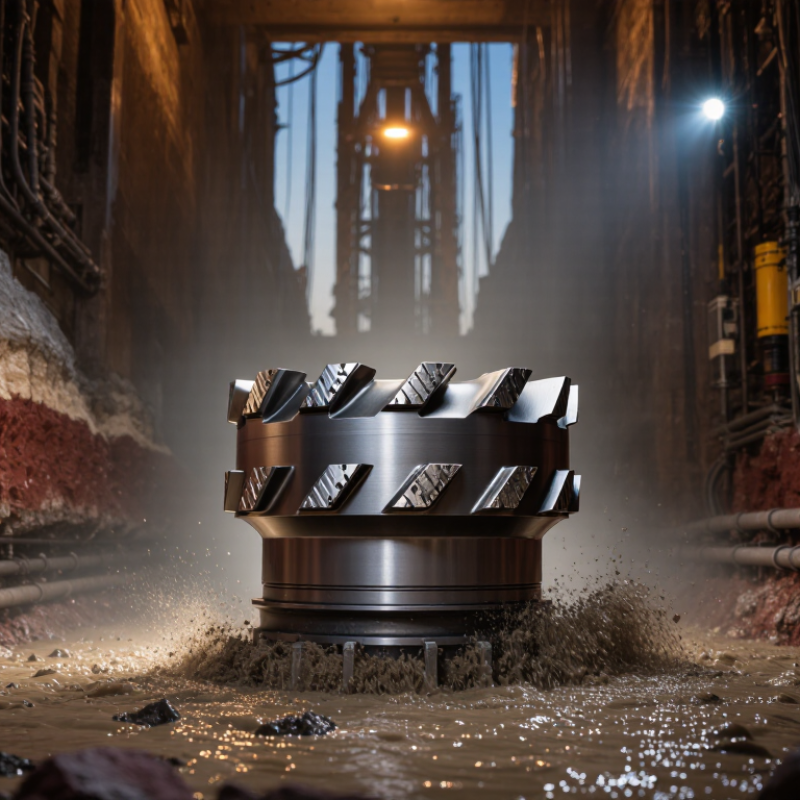
7 Best Ways to Stop Your PDC Bit Wearing Out So Fast?

Understand the Main Causes of Rapid PDC Bit Wear

Rapid PDC bit wear rarely comes from one cause. Formation abrasiveness is often the main suspect, especially in quartz-rich sandstone or interbedded rock. However, drilling parameters can accelerate the damage. Excessive weight on bit may overload cutters and create impact fractures. High rotary speed can generate heat and polish the cutters. Stick-slip vibration is also dangerous because it repeatedly shocks the cutting structure.

Hydraulics deserve close attention. Weak fluid flow may leave cuttings around the bit, causing regrinding and unnecessary friction. Blocked nozzles can worsen cooling and cleaning. Poorly stabilized assemblies may produce lateral vibration, which chips cutters along the shoulder. A common mistake is blaming the bit too quickly. Inspect the dull pattern, review drilling data, and compare wear with the formation record. The evidence may point elsewhere.

Tips: Track torque, vibration, weight, rotary speed, and penetration rate in real time. Reduce aggressive settings when torque changes suddenly. Keep the hole clean with suitable flow and fluid properties. Check nozzles before running the bit. Match the cutter structure to the expected rock strength and abrasiveness. Small adjustments matter. One field review may reveal that inconsistent drilling practices, not bit quality, caused the rapid wear. Still, some formations remain unpredictable, so leave room for measured trial and correction.

Choose the Right Bit Design for the Formation

A PDC bit can wear quickly when its design does not match the formation. Hard, abrasive rock needs durable cutters and strong support behind each cutting element. Softer formations may require sharper cutters, wider waterways, and fewer blades for efficient rock removal. Bit selection should reflect compressive strength, abrasiveness, interbedded layers, and expected vibration. A design that performs well in clean shale may struggle badly in a sandy limestone interval.

Cutter size and back rake also affect wear. Larger cutters can improve durability, but they may reduce cutting efficiency in tough rock. More aggressive cutters can increase penetration, yet they may chip when the formation changes suddenly. Field data matters here. Review dull grades, torque, vibration, rate of penetration, and hydraulic performance before choosing the next design. In practice, no selection chart is perfect. Formation reports can be incomplete, and geological assumptions are sometimes wrong.

Tips: Match the bit profile to the well path and formation strength. Ask the drilling team to compare cutter damage with depth. Watch for thermal damage, polished cutters, and broken edges. If wear appears uneven, check vibration and hydraulic cleaning, not only cutter quality. Small design changes can matter. Avoid choosing the most aggressive option by default; it may save time briefly but shorten bit life in abrasive rock.

7 Best Ways to Stop Your PDC Bit Wearing Out So Fast? - Choose the Right Bit Design for the Formation

Recommended Method Formation or Drilling Condition Main Wear Mechanism Bit Design Selection Operating Practice Field Indicators to Monitor Expected Benefit
1. Match cutter size and density to the formation Soft to medium formations with low to moderate compressive strength Cutting-edge impact, excessive depth of cut, and cutter overload Use an appropriate cutter layout with sufficient blade stability. Larger cutters can improve cutting efficiency, while smaller or more closely spaced cutters can distribute load in harder or more variable rock. Begin with conservative weight on bit and increase gradually while monitoring torque, rate of penetration, and vibration. Rapid torque changes, unstable rate of penetration, high mechanical specific energy, or localized cutter damage More balanced cutter loading and reduced risk of premature chipping or breakage
2. Select a more impact-resistant design for interbedded or abrasive rock Interbedded shale, sandstone, limestone, chert, or formations with frequent hardness changes Impact loading, cutter chipping, and abrasion at the cutter table Choose a robust cutter arrangement, stronger blade support, and a profile designed to reduce exposure to lateral impacts. A more durable cutting structure is generally preferred over maximum aggressiveness. Reduce sudden weight-on-bit changes and avoid forcing the bit through hard stringers with excessive torque. Repeated dulling on one side of the bit, chipped cutters, torque spikes, and increasing vibration Improved cutter survival and more consistent drilling across changing lithology
3. Use an abrasion-resistant cutting structure Quartz-rich sandstone, abrasive siltstone, conglomerate, or formations with high solids content Progressive wear of the diamond table and loss of cutter exposure Use cutters and backup cutting elements suited to abrasive service, with adequate hydraulic cleaning and a profile that maintains useful cutting exposure as wear develops. Maintain effective fluid flow and solids control. Avoid excessive rotary speed when it produces unnecessary sliding and heat. Gradual reduction in rate of penetration, increased torque, polished cutter faces, and wear concentrated on the gauge Slower wear progression and better retention of gauge diameter
4. Improve hydraulics and prevent cutter overheating Any formation where cuttings removal is difficult or bottom-hole cleaning is limited Thermal damage, regrinding of cuttings, balling, and abrasive recirculation Select nozzle placement and flow capacity that provide effective bottom-hole coverage without undermining wellbore stability or exceeding equipment limits. Optimize flow rate, maintain clean drilling fluid, and verify that the bit face is being adequately swept. Watch for pressure changes that indicate nozzle plugging. Bit balling, rising standpipe pressure, poor cuttings returns, declining penetration, or discolored and thermally damaged cutters Lower cutter temperature, cleaner cutting action, and reduced regrinding wear
5. Control vibration and avoid excessive impact loading Hard, heterogeneous, naturally fractured, or highly variable formations Axial, torsional, or lateral vibration causing cutter fatigue and impact damage Use a stable bit profile and cutter distribution that suit the bottom-hole pattern. The design should prioritize stability when the formation is prone to stick-slip or lateral whirl. Adjust weight on bit, rotary speed, and drilling parameters together. Avoid operating at combinations that produce stick-slip, bit bounce, or severe lateral vibration. Fluctuating torque, repeated hookload oscillations, downhole vibration measurements, and uneven cutter wear Fewer broken cutters, less gauge damage, and improved drilling consistency
6. Protect the gauge in abrasive or directional applications Abrasive rock, long build sections, sliding intervals, or wells with significant sidewall contact Gauge-pad abrasion, lateral rubbing, and loss of bit diameter Choose a gauge construction with adequate wear protection and a profile compatible with the planned directional work. Gauge protection should be balanced with steerability and hydraulic requirements. Limit unnecessary sliding and monitor dogleg severity, torque, drag, and return-to-bottom behavior after connections. Reduced caliper size, increasing torque during toolface changes, poor directional response, or visible gauge wear after pulling out Better hole-size maintenance and lower risk of reaming or completion problems
7. Inspect the dull condition and refine the next bit design Any application with repeated short runs or inconsistent bit life Recurring design mismatch, operating practices that exceed the bit's limits, or damage from off-bottom events Use the previous bit's dull characteristics to adjust cutter density, profile, backup protection, gauge design, and hydraulics for the next run rather than changing several variables without diagnosis. Record lithology, drilling parameters, vibration, mud properties, bit hours, footage, and the location and type of cutter wear. Consistent wear patterns, broken cutters, washed nozzles, balling, gauge loss, or unusual damage concentrated in one area Evidence-based bit selection, longer average runs, and fewer repeat failure modes

Control Drilling Parameters to Reduce Cutting Damage

7 Best Ways to Stop Your PDC Bit Wearing Out So Fast?

Controlling drilling parameters is one of the most practical ways to reduce PDC cutting damage. Begin by matching weight on bit and rotary speed to the formation, rather than chasing maximum penetration. Excessive weight can overload cutters, while excessive speed may create heat and abrasive wear. Monitor torque, vibration, penetration rate, and return flow together. One reading rarely explains the whole problem.

Keep the bit hydraulically clean. Adequate flow removes cuttings from the cutters and limits regrinding beneath the bit. However, more flow is not always better. Excessive pressure loss can reduce drilling efficiency and disturb the planned operating window. Adjust flow with nozzle condition, hole size, mud properties, and cuttings behavior in mind. Small changes matter.

I have seen crews increase weight when penetration slowed, even though rising torque indicated cutter damage. That choice often made the wear worse. A better response is to pause, review surface data, and compare current values with stable drilling footage. Sudden vibration may require lower weight, adjusted speed, or a short parameter test. Do not copy a successful setting from another well without checking rock strength and bit condition. Field data can be incomplete, and experienced judgment still needs verification.

Improve Hydraulics, Cooling, and Cuttings Removal

A PDC bit often wears early because the hole-cleaning system is underperforming. Hydraulics must deliver enough horsepower at the cutters and enough velocity through the annulus. The IADC dull grading system rates cutter wear from 0 to 8, helping crews compare dull conditions consistently. A rising wear grade, paired with poor returns, usually signals trouble before failure becomes visible.

Cooling depends on fluid flow across the cutter face. Field studies published through SPE have linked higher cutter temperature with faster diamond-table damage, especially in hard, abrasive formations. Keep nozzles clear, confirm pump output, and monitor standpipe pressure against the planned hydraulic model. Cuttings should leave the bit quickly. Otherwise, they can recirculate, grind against the cutters, and create a damaging abrasive loop. The result may look like normal wear, but it is not always normal.

Tips: Check flow rate, nozzle condition, and annular velocity at every connection. Use real-time cuttings observations, not pressure alone. A 2023 IADC drilling-performance review noted that poor hole cleaning remains a recurring contributor to reduced drilling efficiency. That finding deserves attention, although field data can be uneven. Temperature estimates are also imperfect. Compare trends rather than trusting one reading. Small hydraulic changes may protect the bit, but excessive flow can erode the formation or destabilize the hole. Watch the returns.

Inspect, Maintain, and Replace the Bit at the Right Time

A PDC bit wears faster when small problems remain unnoticed. Inspect it before and after every run. Check cutters for chipped edges, polished surfaces, and missing elements. Examine the blades for cracks or unusual erosion. Measure gauge wear with suitable tools, not visual judgment alone. Also review drilling data, including torque, vibration, penetration rate, and pressure. A sudden change often reveals damage before the bit reaches the surface.

Tips: Clean the bit carefully after drilling. Remove packed formation from the cutters and junk slots. Use proper lighting and magnification during inspection. Record photos, wear measurements, depth, and drilling conditions. Compare each report with earlier runs. This record supports better decisions, although it may not explain every failure.

Maintenance should match the formation and operating conditions. Keep hydraulic flow within the approved range, and avoid aggressive weight changes. Excessive vibration can damage cutters even when the bit still looks usable. Replace the bit when cutters are heavily worn, blades are fractured, gauge loss affects hole quality, or drilling performance declines sharply. Do not wait for total failure. I have seen teams extend a run for only a few extra meters, then lose far more time recovering a damaged bit. A practical replacement decision uses inspection evidence, drilling trends, and the cost of potential downtime.

7 Best Ways to Stop Your PDC Bit Wearing Out So Fast

Practical field-screening thresholds for inspecting, maintaining, and replacing a PDC bit at the right time.

Monitor these indicators during drilling. Rising vibration, unstable torque, reduced flow, increasing WOB, and falling ROP can signal poor hydraulics, damaged cutters, or inefficient drilling. Inspect the bit during connections and trips, clean blocked nozzles, adjust operating parameters, and replace the bit when wear or performance decline becomes persistent. Thresholds should be confirmed against the formation, bit design, and drilling program.

FAQS

How should a drilling bit match the formation?

Match the bit to rock strength, abrasiveness, layering, and expected vibration. Hard rock needs durable cutters and strong support. Softer rock may need sharper cutters, wider waterways, and fewer blades. A design successful in shale may struggle in sandy limestone.

Do larger cutters always improve bit life?

No. Larger cutters can improve durability, but they may cut tough rock less efficiently. Aggressive cutters may increase penetration. They can also chip when formations change suddenly. The best choice is rarely obvious.

Which drilling data helps select the next bit?

Review cutter damage by depth, torque, vibration, penetration rate, and hydraulic performance. Compare these trends with previous runs. Formation reports can be incomplete. Geological assumptions are sometimes wrong.

How can poor hydraulics cause early cutter wear?

Weak hydraulics may reduce cooling and leave cuttings around the cutters. Recirculating cuttings can grind against the bit. This creates an abrasive loop. The wear may look ordinary, but it may not be.

What hydraulic checks should crews perform?

Check flow rate, nozzle condition, pump output, and annular velocity at each connection. Compare standpipe pressure with the planned model. Watch the returns, not pressure alone. Excessive flow can erode the formation.

How do temperature and cooling affect cutters?

Fluid flow across the cutter face helps control heat. Higher cutter temperatures can accelerate cutting-surface damage. Temperature estimates are imperfect. Compare trends instead of trusting one reading.

What should an inspection include after each run?

Clean the bit carefully and remove packed formation from cutters and slots. Check chipped edges, polished surfaces, missing elements, blade cracks, and erosion. Measure gauge wear with suitable tools. Photographs and magnification help.

When should a worn bit be replaced?

Replace it when cutters are heavily worn, blades are fractured, gauge loss affects hole quality, or performance drops sharply. Do not wait for total failure. A few extra meters may create much longer recovery work.

Conclusion

If you are asking, “why is my PDC bit wearing out so fast,” the answer usually involves several connected factors. Excessive wear may result from choosing a bit design that does not match the formation, applying unsuitable weight on bit or rotary speed, or allowing vibration and torque fluctuations to damage the cutters. A practical solution begins with understanding the rock’s abrasiveness, strength, and variability, then selecting a cutter layout and bit profile suited to those conditions.

Drilling performance also depends on stable operating parameters and effective hydraulics. Proper flow rate and nozzle configuration help cool the cutters and remove cuttings before they cause regrinding or damaging friction. Regular inspections can reveal chipped cutters, abnormal wear, erosion, or damaged components before the problem becomes severe. By adjusting drilling practices, improving fluid circulation, and replacing the bit at the right time, operators can reduce avoidable damage, extend bit life, and achieve more consistent drilling results.

Sienna

Sienna

Sienna is a skilled marketing professional with a deep expertise in our company’s core products and services. With a passion for innovation and detail, she plays a pivotal role in crafting insightful blog posts that not only highlight the unique features of our offerings but also provide valuable......