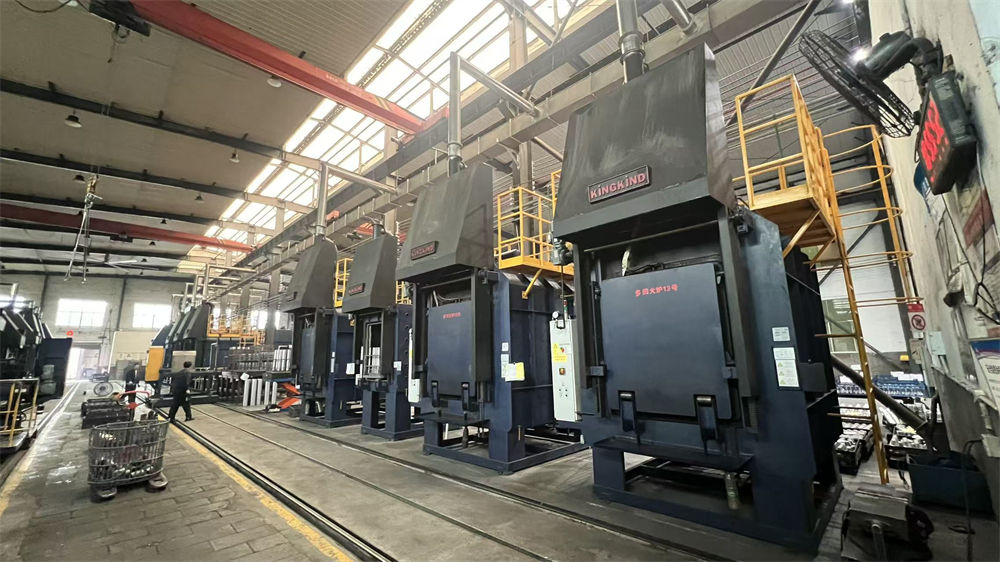
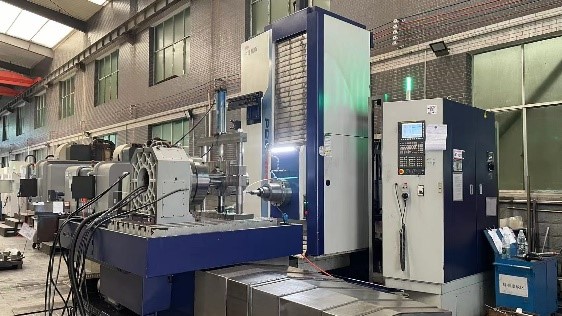
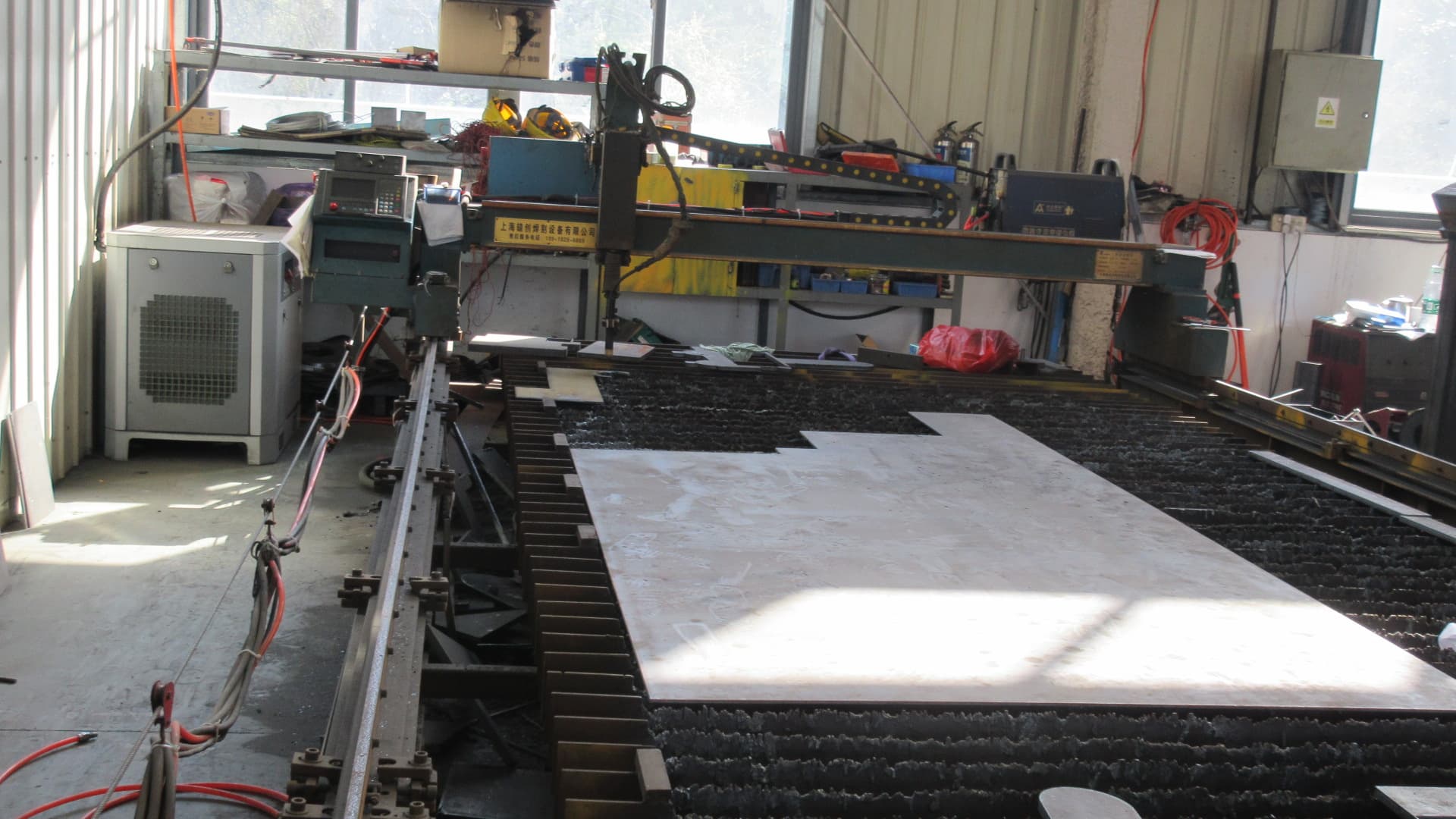
With global logistics volatility, manufacturers in Shandong, China, have optimized localized supply chains, ensuring raw steel sourcing and heat treatment are integrated to reduce lead times by 30% compared to traditional Western suppliers.
Compliance with API Spec 5DP and API Spec 7-1 is no longer optional. Modern procurement requires 100% traceability and non-destructive testing (NDT) reports for every joint to mitigate downhole failure risks.
Environmentally conscious manufacturing processes, including the reduction of heavy metal waste in thread plating and the use of energy-efficient induction hardening, are becoming key selection criteria for Tier-1 contractors.
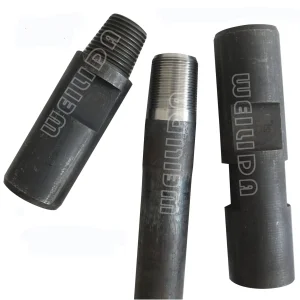
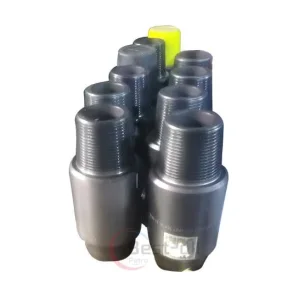
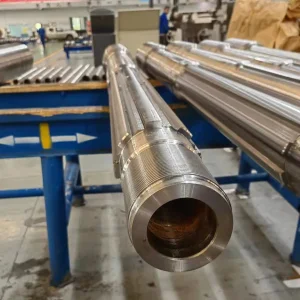
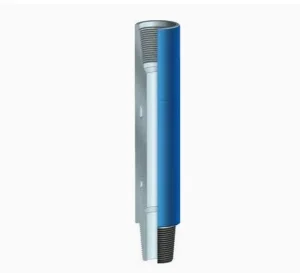
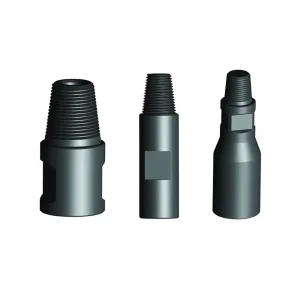
Modern tool joints utilize premium AISI 4137H or 4145H modified alloy steel. By employing state-of-the-art inertia friction welding, we achieve a molecular bond between the tool joint and the drill pipe body that exceeds the strength of the parent materials. This process eliminates the "Heat Affected Zone" (HAZ) weaknesses common in traditional arc welding.
As lateral drilling lengths increase, standard API connections often reach their torque limit. Our R&D team is implementing double-shoulder thread designs which provide an additional internal torque shoulder, increasing torque capacity by up to 40% while maintaining a slim-hole profile.
The future involves "Smart Joints" equipped with embedded RFID tags. This allows operators to track the cumulative rotation hours, number of make-and-break cycles, and inspection history of each joint, moving from reactive to predictive maintenance.
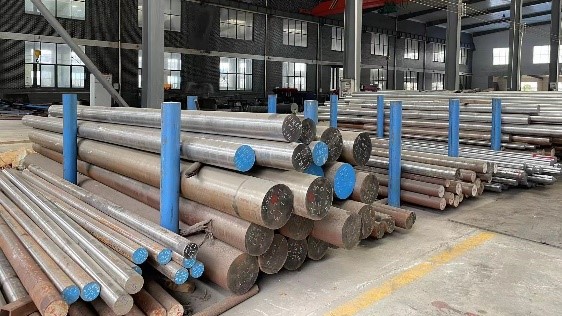
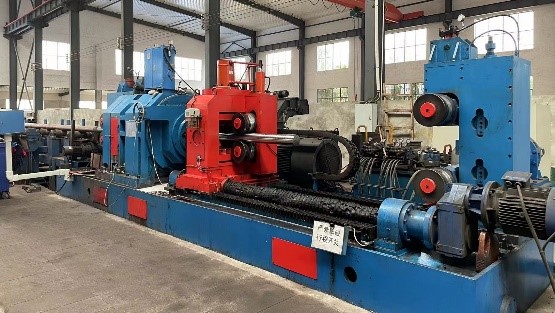
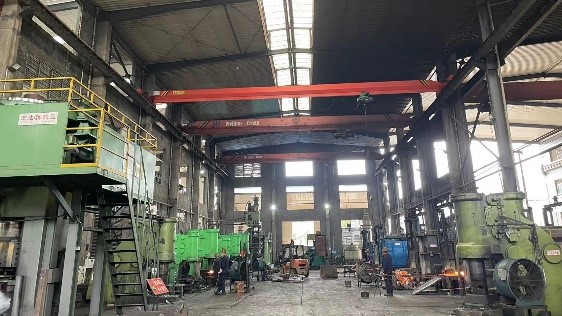
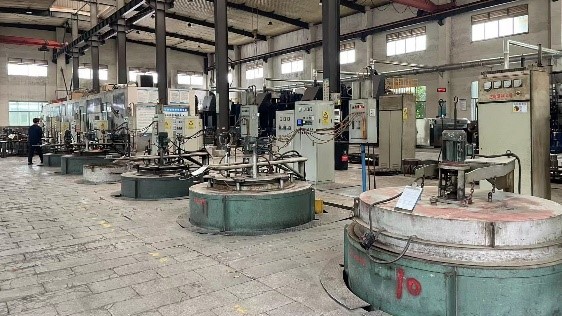
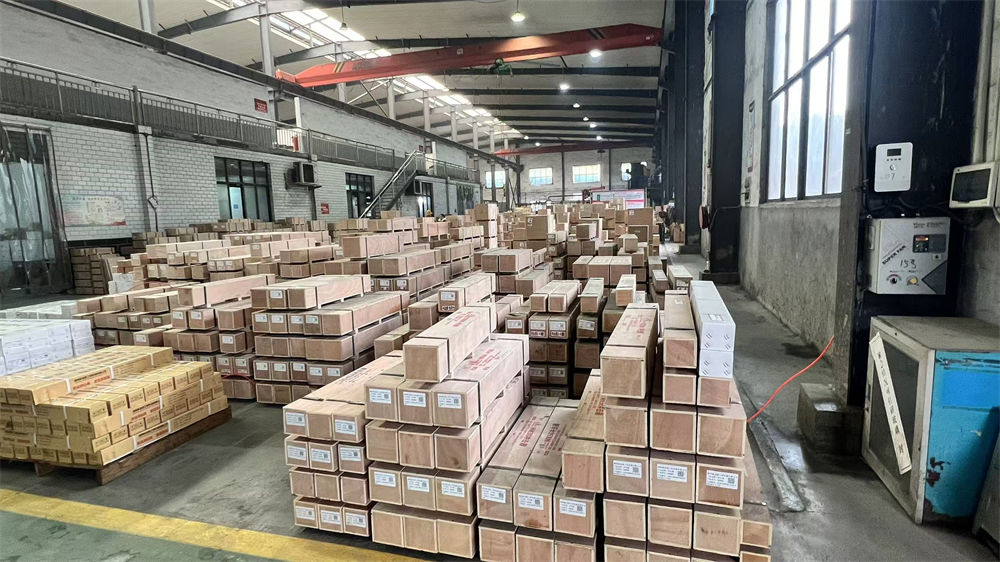
Our products meet European CE standards, API 5DP for American markets, and GOST for CIS regions. Each shipment is accompanied by Mill Test Certificates (MTC) according to EN 10204 3.1.
We provide 24/7 technical consulting. In the event of thread wear or downhole challenges, our engineers provide diagnostic support via remote video or on-site visits to optimize your drill string configuration.
 Savvy Tools