Collar cracking in DTH drilling is a significant concern. Understanding what causes collar cracking in DTH drilling can save valuable time and resources. This issue can lead to costly delays and reduced efficiency on site.
Several factors contribute to this problem. Excessive wear and tear on drill bits can weaken the collar. Additionally, high-frequency vibrations during drilling may exacerbate the issue. Corrosive environments can also play a role. Inadequate maintenance practices may further heighten the risk of cracking.
Industry experts emphasize the importance of proper handling and inspection. However, many drillers still overlook these aspects. Reflecting on common mistakes is crucial for improvement. Identifying the root causes can lead to better preventive measures. Ensuring durability in drilling operations remains a priority for both safety and efficiency.
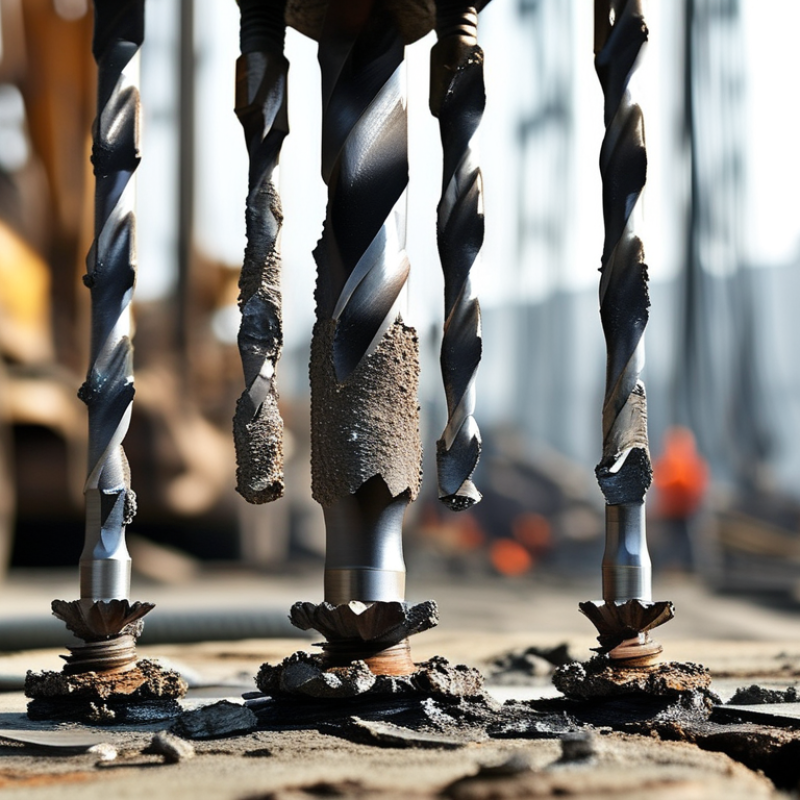
Collar cracking in DTH drilling can lead to significant issues. Understanding the underlying causes is essential. Various factors contribute to this problem, such as excessive torque and improper handling. When torque exceeds the design limits, the chances of cracking increase. Over time, repeated stress can compromise the collar's integrity.
Proper maintenance and inspection help to mitigate these risks. Regularly check for wear and tear. This can help identify potential problems early. Operators should also be aware of environmental conditions. Extreme temperatures can weaken materials, leading to fractures.
Pay attention to the training of personnel. Skilled operators are key to reducing the likelihood of collar damage. Encouraging proper handling techniques can make a difference. When transporting equipment, ensure it is securely fastened. This prevents unnecessary movement that might cause stress points.
Material fatigue plays a crucial role in collar cracking during DTH drilling. As DTH drills work under high pressure and repetitive stress, the material integrity can deteriorate over time. Research indicates that nearly 40% of collar failures are attributed to fatigue. This often goes unnoticed until significant damage occurs.
Regular inspection is vital. Operators should be aware of wear patterns and stress points on the collars. Adequate maintenance schedules can prevent costly failures. A study by the International Society for Rock Mechanics suggests that regular monitoring of drill collar integrity can extend its lifespan by 20-30%.
It’s essential to choose materials with high fatigue resistance. High Alloy Steel and hardened materials can withstand harsh drilling conditions better. Also, utilizing advanced coatings can enhance fatigue performance. Operators must weigh these factors against project budgets, as investing in quality materials often pays off in reducing downtime. Recognizing early signs of fatigue, such as micro-cracks, can save time and resources.
Improper drilling techniques are a significant factor in causing collar damage during DTH drilling. When drillers do not adjust their methods to suit the specific rock conditions, they risk cracking the collar. For instance, applying excessive torque can lead to stress fractures. It’s essential for drillers to understand the geology of the area. A mismatch between techniques and geological conditions can result in severe, costly damage.
Inadequate training also contributes to improper drilling. Even seasoned drillers sometimes fall into the trap of following outdated practices. New methods and technologies emerge, yet many stick to what they know. This reluctance to adapt can lead to crucial mistakes. Additionally, ignoring the maintenance of drilling equipment can exacerbate the problem. Worn-out bits or damaged components make the drilling process more brutal, which increases the risk of collar cracking.
Focusing solely on speed can be detrimental. A rush to complete drilling often sacrifices technique and precision. This mindset can lead to poor decisions that affect the collar integrity. Drillers must prioritize their approach and not just the end goal. Taking time to assess and adjust techniques is invaluable. Learning from each experience is vital for improving overall drilling methods.
Environmental conditions play a crucial role in the integrity of drilling collars. High temperatures and extreme humidity can weaken the material over time. These factors lead to increased stress on the collars, resulting in cracks. For instance, when temperatures fluctuate rapidly, expansion and contraction may occur. Colder nights and hotter days create tension within the collar structure.
Water exposure is another critical concern. Collars not sealed properly can face corrosion when in contact with moisture. This option is often overlooked, yet water can seep into small crevices. Over time, this leads to significant deterioration. Additionally, mud and other drilling fluids can introduce unwanted substances. They can accumulate inside collars, creating pressure that contributes to cracking.
Dust and soil are also impactful. During drilling operations, fine particles can enter the collar's mechanics. These abrasive materials may cause wear and damage over time. Not all environments are the same, and drilling in sandy or rocky terrains can heighten these risks. The unexpected challenge is adapting to diverse conditions. Regular inspections and maintenance are essential but not always executed thoroughly. This oversight can make weak points go unnoticed.
This chart illustrates the top five causes of collar cracking in DTH drilling, highlighting the significant impact of environmental conditions on the integrity of drilling collars.
Collar cracking during DTH drilling is a significant issue. It often results from operational pressures and inadequate maintenance. To reduce the risk, operators must adopt effective maintenance practices.
Regular inspections are critical. These should focus on the collar area. Checking for wear and tear can identify potential problems before they escalate. Operators should also ensure proper lubrication. This minimizes friction and enhances performance. Additionally, monitoring drilling parameters is vital. Extreme heat or pressure can lead to cracks. Operators need to adjust their techniques accordingly.
Training personnel is equally important. Workers should understand the equipment and potential fault indicators. They must recognize the signs of collar wear. Engaging in proactive communication can enhance team efficiency. Documentation of maintenance activities helps in tracking issues. Reflection on past experiences can improve future operations. Balancing performance goals with equipment care is essential for success.
: Material fatigue and improper drilling techniques are primary causes of collar cracking.
Nearly 40% of collar failures result from material fatigue over time.
Regular inspections help identify wear patterns and stress points, preventing costly failures.
Monitoring collar integrity regularly can extend lifespan by 20-30%, according to research.
High Alloy Steel and hardened materials offer better resistance to harsh drilling conditions.
Inadequate training can lead to outdated practices and costly mistakes in drilling techniques.
Adapting techniques to specific rock conditions prevents excessive stress and potential collar damage.
Prioritizing speed can compromise technique and lead to poor decisions impacting collar integrity.
Early signs like micro-cracks indicate potential issues and should be addressed immediately.
Worn-out bits and damaged components can increase the stress on collars, leading to cracking.
Collar cracking in DTH drilling is a significant issue that can lead to operational inefficiencies and increased costs. Understanding what causes collar cracking in DTH drilling involves examining several key factors. Material fatigue plays a critical role, as repeated stress and strain can weaken collars over time, leading to fractures. Additionally, improper drilling techniques, such as excessive torque or unsuitable drill speeds, can exacerbate the wear and tear on drill components.
Environmental conditions, including temperature variations and moisture exposure, also impact collar integrity, potentially accelerating the degradation process. To mitigate these risks, implementing robust maintenance practices is essential. Regular inspections and timely replacements can help ensure the durability of the drilling equipment and minimize the likelihood of collar cracking, thus enhancing the overall efficiency of drilling operations.

Savvy Tools