Drill pipe washout is a critical issue in oil fields. Understanding what causes drill pipe washout in oil fields is essential for efficient operations. This problem can lead to significant financial losses and operational delays. It is crucial to identify the main factors that contribute to this challenge.
One major cause is the erosion of the pipe material. This erosion can stem from abrasive particles present in the drilling mud. Another contributing factor is improper weight distribution. If the drill pipe is not adequately supported, it can experience excessive stress. This stress can lead to washout over time.
Fluids used during drilling can also cause washout. Some fluids may not be compatible with the drill pipe material. Additionally, temperature fluctuations can contribute to vulnerabilities in the pipe. Addressing these issues requires experienced professionals in the field. Failing to recognize these causes may result in detrimental consequences for oil extraction processes.
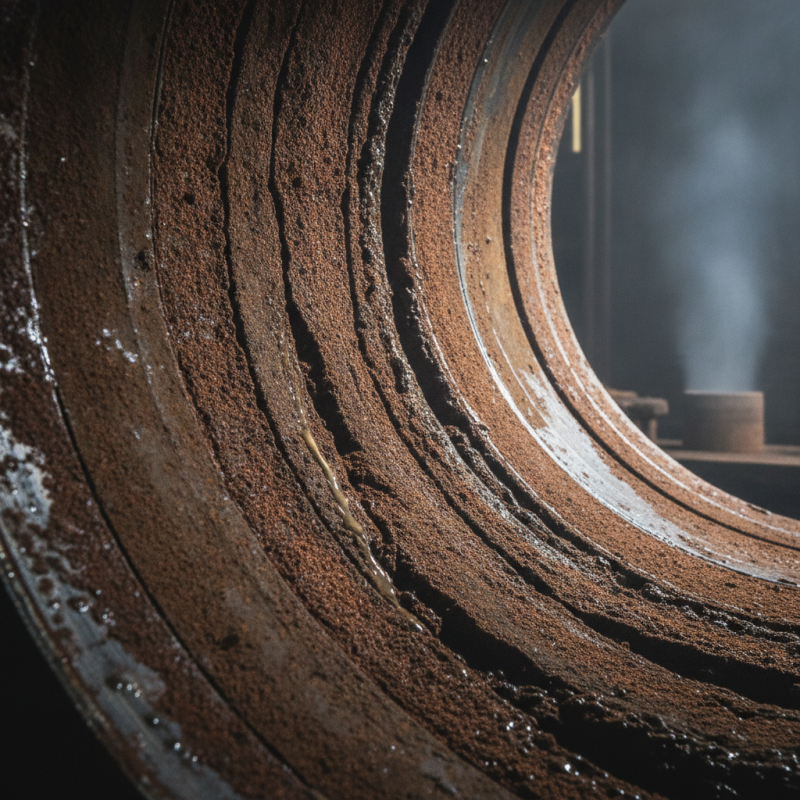
Drill pipe washout is a critical issue in oil fields. It refers to the erosion or loss of material in the drill pipe, which can lead to catastrophic failure during drilling operations. Understanding this phenomenon is vital for maintaining operational efficiency and safety. According to a report by the Society of Petroleum Engineers, nearly 30% of offshore drilling incidents stem from equipment failure, much of which can be linked back to washout scenarios.
The causes of drill pipe washout include fluid erosion, excessive torque, and inadequate drilling parameters. Fluid erosion occurs when drilling mud is not properly balanced, leading to high-velocity flows that wear away the pipe. Experts suggest that nearly 40% of washout cases arise from poorly designed mud compositions. Furthermore, high drilling torque often leads to excessive stress on the pipe, pushing it past its mechanical limits. These instances are not just theoretical; industry case studies indicate that washout could result in thousands of dollars in lost time and resources.
Monitoring these factors is essential. Yet, companies often overlook the early signs of wear. This negligence can lead to significant downtime and financial losses. Companies should invest in continuous training for their engineers to enhance their understanding of drill pipe washout. Effective training can help them identify signs of wear and address issues before they escalate. The need for proactive measures is evident; each incident of washout represents a missed opportunity for improvement in drilling practices.
Drill pipe washout is a significant issue in oil fields, and recognizing its symptoms is crucial for timely intervention. Common symptoms include sudden changes in drilling fluid circulation. If the flow rate decreases unexpectedly, it might indicate a washout. Another sign is significant pressure fluctuations in the system, which can signal that the drill pipe integrity is compromised.
Experts suggest monitoring weight on the bit regularly. A drop in the weight can lead to severe washout issues. According to industry reports, incidents of drill pipe failure can rise by up to 30% without proper oversight. Regular inspections can help identify early signs of wear or damage in the drill pipe. Operators must document any unusual noises during drilling operations, as these may indicate washout events.
Tip: Ensure your team is trained to recognize these symptoms. Having a proactive approach can prevent costly downtime. Drill pipe washouts often lead to larger operational issues. It’s essential to stay ahead of these problems before they escalate. Regular maintenance and adherence to drilling parameters will keep your operations on track. Noting these indicators may save both time and resources in the long term.
In oil fields, environmental and geological factors significantly contribute to drill pipe washouts. One major factor is soil erosion. According to the American Petroleum Institute, 30-50% of washouts occur due to poorly consolidated soils. Loose soil can easily erode around the drill pipe, leading to instability.
Water saturation in formations is another critical risk. Geological surveys indicate that saturated zones increase the likelihood of washout by up to 40%. When groundwater levels rise, the surrounding soil and rock become unstable. Additionally, geological faults can create uneven pressure, leading to sudden collapses of the borehole.
The impact of seasonal changes cannot be overlooked. Heavy rainfall can alter subsurface conditions dramatically. Studies suggest that seasonal shifts cause fluctuations in soil cohesion, further destabilizing drill sites. While technology has advanced, these environmental factors remain unpredictable, posing ongoing challenges for the industry.
Understanding these factors is essential. Continuous monitoring and comprehensive geological assessments are vital for mitigating risks associated with drill pipe washouts.
Drill pipe washout can pose significant challenges in oil fields. Many operational practices contribute to such situations, often leading to unexpected costs and delays. During drilling, improper monitoring of mud properties is a common oversight. If the mud density is too low, it can create instability in the borehole. This may result in washout scenarios, which can be detrimental.
Operators should maintain proper mud weight. Regular testing of mud composition is crucial. If mud becomes too viscous, it may cause blockages. Moreover, inadequate circulation can lead to settling sediments. This can put pressure on the drill pipe, resulting in wear and tear.
Tip: Ensure the drilling team receives regular training on mud management. Knowledge of proper fluid properties can prevent potential washouts. Another critical step is to monitor hole stability closely. Keeping track of any changes can help avoid hazardous situations. Regularly check for any signs of wear on the drill pipe. This proactive approach can lead to safer operations in the oil fields. Remember, the cost of prevention is often lower than the expenses incurred during a washout incident.
Drill pipe washout in oil fields can lead to significant operational setbacks. To mitigate these risks, it is essential to adopt targeted preventive measures. Regular inspections are crucial. Inspecting drill pipes for signs of wear damage helps identify potential issues before they escalate. Operators should incorporate advanced non-destructive testing techniques. These methods provide deeper insights into the integrity of the pipes.
Chemical degradation is another leading cause of washout. Using corrosion inhibitors can help combat this issue. Proper fluid management is also vital. Maintaining the appropriate viscosity and density of drilling fluids reduces the risk of washout significantly. Operators should pay close attention to the fluid's properties during drilling operations.
Regular training for drill crew members is often overlooked. Ensuring the team understands the risks associated with drill pipe washout fosters a safer working environment. Encouraging open communication about pipe condition and usage helps address concerns promptly. Cultivating a culture of safety is essential in reducing incidents. Although these strategies may require time and resources, the benefits far outweigh the challenges.
: Drill pipe washout refers to the erosion or loss of material in the drill pipe during drilling.
It can lead to catastrophic failures and is linked to over 30% of offshore drilling incidents.
Major causes include fluid erosion, excessive torque, and inadequate drilling parameters.
Fluid erosion happens when drilling mud is not properly balanced, leading to high-velocity flows.
Symptoms include sudden changes in fluid circulation and pressure fluctuations in the system.
Regular inspections and monitoring weight on the bit can help identify early signs of wear.
Neglecting early signs can lead to significant downtime and financial losses.
Continuous training enhances engineers' understanding, allowing early identification of washout symptoms.
Staying ahead of potential washout issues can prevent larger operational problems and save resources.
Proper adherence to drilling parameters is crucial to minimize the risk of pipe washout.
Drill pipe washout in oil fields is a significant issue that can lead to operational inefficiencies and costly delays. Understanding what causes drill pipe washout in oil fields is essential for effective management. Recognizing common symptoms, such as unusual vibrations or torque fluctuations, can help identify potential washout problems early. Environmental and geological factors, including unstable soil conditions and pressure variations, play a crucial role in exacerbating these issues.
Moreover, certain operational practices—like inadequate hole cleaning and improper weight distribution—can increase the risk of washouts. To mitigate these risks, implementing preventive measures such as regular monitoring and using appropriate drilling fluids is vital. By addressing these factors, operators can enhance the reliability of their drilling operations and reduce the occurrence of drill pipe washouts.

Savvy Tools