Choosing the right drilling bit is crucial for any project. How to choose between PDC and roller cone bits can significantly impact efficiency and costs. Both options offer unique advantages, but selecting the best fit requires careful consideration.
PDC bits provide faster penetration rates. They excel in soft to medium rock formations. However, they may struggle in harder, abrasive conditions. On the other hand, roller cone bits are versatile. They handle a range of formations, including hard rock. Their design allows for effective drilling in varying conditions, making them a reliable choice.
Understanding the specific requirements of your project is essential. Analyzing rock types, thickness, and drilling depth informs your decision. Often, professionals find themselves in a dilemma. The choice can be complex, requiring a balance of performance and cost-effectiveness. The insights gathered here aim to provide clarity in navigating this important decision-making process.
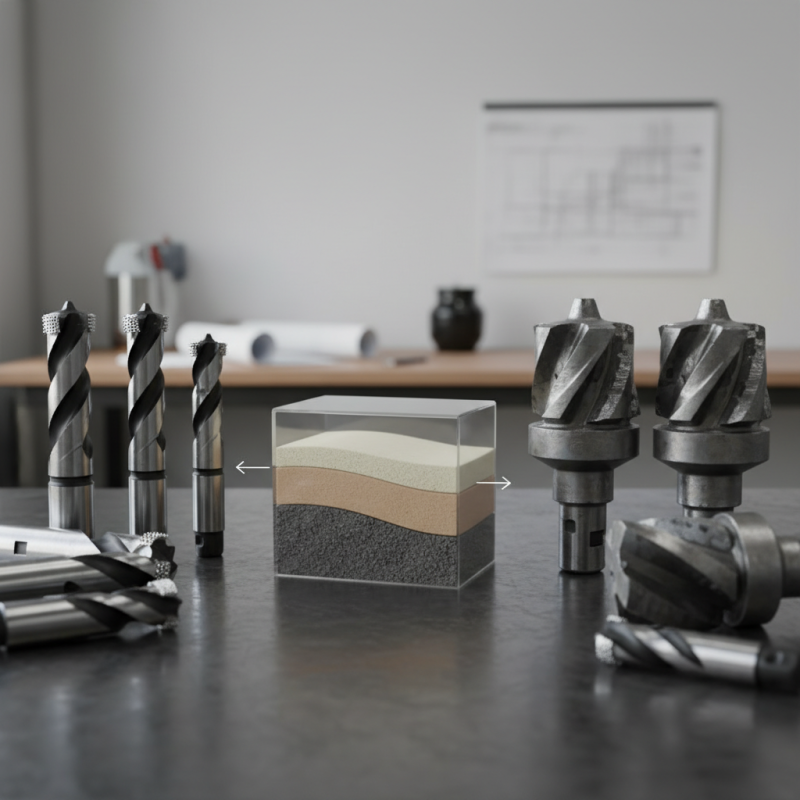
Understanding PDC and Roller Cone Bits: Key Differences
When considering drilling equipment, understanding the differences between PDC (polycrystalline diamond compact) bits and roller cone bits is essential. PDC bits tend to be more effective in soft to medium rock formations. Their design allows for faster penetration rates, making them ideal for certain applications. Reports indicate that using PDC bits can lead to a 30% increase in drilling efficiency compared to traditional methods.
On the other hand, roller cone bits are versatile. They can effectively handle a wider range of rock types. They excel in harder formations due to their unique design that allows for better chipping action. According to industry data, roller cone bits are known to perform exceptionally well in mixed rock conditions. Drillers often note a 20% improvement in durability.
However, each type has its disadvantages. PDC bits may suffer from wear in tough environments, while roller cone bits might lag in softer formations. These considerations highlight the need for an informed choice. Proper evaluation based on specific geological conditions can significantly impact operational success. Always gather data from recent performance reports and user experiences to make the best decision for your drilling project.
Comparison of PDC and Roller Cone Bits
Evaluating Drilling Requirements: Hardness and Geological Conditions
Choosing the right bit for drilling is crucial. Two primary types are PDC (Polycrystalline Diamond Compact) and roller cone bits. Evaluating geological conditions and hardness factors will guide this decision. Harder rock formations often require more durable bits. PDC bits are suitable for abrasive materials, but they can be brittle.
Geological conditions play a significant role in bit selection. Soft formations might favor roller cone bits due to their versatility. These bits effectively handle a variety of conditions, but they can struggle in harder terrains. Additionally, consider the size of the drill site. Larger, complex formations may necessitate specific drilling techniques.
It's also essential to assess the specific drilling requirements. Testing different bit types can yield valuable insights. What works best in one scenario may fail in another. Monitoring the wear and tear on bits during use is crucial. This practice can help refine future selection processes. Adjusting strategies based on performance can lead to improved outcomes.
Cost Considerations: Initial Investment vs. Long-term Performance
Choosing between PDC (Polycrystalline Diamond Compact) bits and roller cone bits involves evaluating both initial costs and long-term performance. Initial investments can be daunting. PDC bits typically require higher upfront costs. However, they often deliver superior performance, leading to reduced drilling time and fewer replacements.
When examining the long-term performance, think about the application. PDC bits excel in consistent rock formations. They can outperform roller cones in these scenarios. Yet, roller cones may be more suitable for varied geology, offering flexibility. This adaptability can be key in different drilling environments.
Tip: Assess your drilling conditions thoroughly. Understand the geology you will encounter. Matching the bit type to your specific needs can significantly impact efficiency and cost-effectiveness.
Tip: Consider the total cost of ownership. A lower-priced bit may lead to more frequent replacements. This can inflate long-term expenses. Investing in a quality bit for your specific needs may save money over time.
Tip: Consult with experienced professionals. Their insights can clarify which type of bit offers the best value for your operations. Balancing between cost and performance is crucial for success.
Maintenance and Durability: Lifecycle Analysis of Each Bit Type
When considering the maintenance and durability of PDC and roller cone bits, a lifecycle analysis is crucial.
PDC bits often exhibit longer operational lifespans due to their polycrystalline diamond composition. Reports indicate that these bits can last up to 50% longer than traditional roller cone bits in certain formations. However, their performance can decline considerably if used improperly, such as in mixed rock conditions, which are known to challenge their cutting structure.
Roller cone bits, on the other hand, tend to be more adaptable to varying rock types. They can be less expensive initially, but data shows they require more frequent maintenance, leading to higher long-term costs. Studies suggest that improper maintenance of roller cone bits can result in a performance drop of 25% in just a few drills. The increased wear and tear, particularly in abrasive conditions, can lead to catastrophic failures if not addressed timely.
Both bit types have their maintenance challenges. Experienced operators often face trade-offs in cost versus performance. PDC bits, while durable, need careful selection of drilling parameters. Roller cone bits demand close monitoring of mechanical integrity. Understanding these factors can lead to more informed choices for drilling operations.
Industry Applications: When to Use PDC or Roller Cone for Best Results
Choosing between PDC (Polycrystalline Diamond Compact) and roller cone bits is crucial for specific industrial applications. Each type has its strengths, enabling optimal performance depending on the drilling environment. For instance, PDC bits excel in soft to medium-hard formations, offering a higher rate of penetration (ROP). According to industry reports, PDC bits can achieve ROPs up to 50% faster than roller cone bits in shale formations. Their design minimizes vibration, leading to smoother drilling and reduced wear.
In contrast, roller cone bits are preferred for harder rock formations. They deliver better durability and often prove advantageous in mixed ground conditions due to their ability to withstand higher loads. Industry experts recommend using roller cone bits when drilling through abrasive rocks. Their robust bearings can cope with the complexities of diverse geological formations, making them reliable in challenging environments.
Tip 1: Evaluate the geological conditions thoroughly before selecting a bit type. This ensures you choose the right tool for the job.
Tip 2: Consider the cost-effectiveness of each bit type in your drilling projects to maximize budget efficiency. Depending on the material, PDC bits may have higher upfront costs but can save time and resources over the long haul.
FAQS
: PDC bits are effective in soft to medium rock formations. They allow for faster penetration rates and can improve drilling efficiency by 30%.
Roller cone bits are versatile and handle a wider range of rock types. They perform well in harder formations and mixed rock conditions.
PDC bits can wear quickly in tough environments. Their performance may decline in mixed rock conditions, impacting overall efficiency.
Roller cone bits can be less expensive initially. However, they often require more frequent maintenance, leading to higher long-term costs.
Improper maintenance can result in a performance drop of 25% after just a few drills. Catastrophic failures may occur if not addressed promptly.
It's important to evaluate specific geological conditions. Data from recent performance reports and user experiences can inform the best decision.
Yes, PDC bits may last up to 50% longer than traditional roller cone bits in specific formations, given proper usage.
PDC bits require careful selection of drilling parameters. Improper use can lead to a significant decline in performance.
Yes, experienced operators often face trade-offs between cost and performance. Each bit type has unique maintenance challenges to consider.
If roller cone bits are not monitored, increased wear can lead to significant failures. Regular checks on mechanical integrity are essential.
Conclusion
When considering how to choose between PDC and roller cone bits, it's essential to understand the key differences between these two types of drilling tools. PDC bits are generally well-suited for softer formations, while roller cone bits excel in hard and abrasive geological conditions. Evaluating your specific drilling requirements, including the hardness of the material and the geological conditions, will greatly influence your decision.
Cost considerations also play a vital role in this choice; while PDC bits may have a higher initial investment, their long-term performance and durability can offer better value. Maintenance is another crucial aspect, with a lifecycle analysis indicating that the right choice can lead to reduced downtime and increased efficiency. Lastly, understanding the industry applications of each bit type will guide you in selecting the most effective solution for optimal drilling results.

 Savvy Tools