Choosing the right drilling bit is crucial for efficiency and productivity. The decision often comes down to one key question: what is the difference between matrix body and steel body PDC bits? Understanding this difference can greatly impact drilling performance.
Matrix body bits are made from a composite material. This makes them more durable and resistant to wear. They excel in hard rock formations but can be expensive. On the other hand, steel body bits are more versatile. They tend to be less costly and are suitable for a variety of formations. Each option has its advantages and disadvantages.
When selecting a bit, consider the specific drilling conditions. Analyze the rock type, depth, and required efficiency. The right choice can lead to improved performance and cost savings. However, many operators still find it challenging to make an informed decision. This underscores the importance of ongoing education and experience in the field.
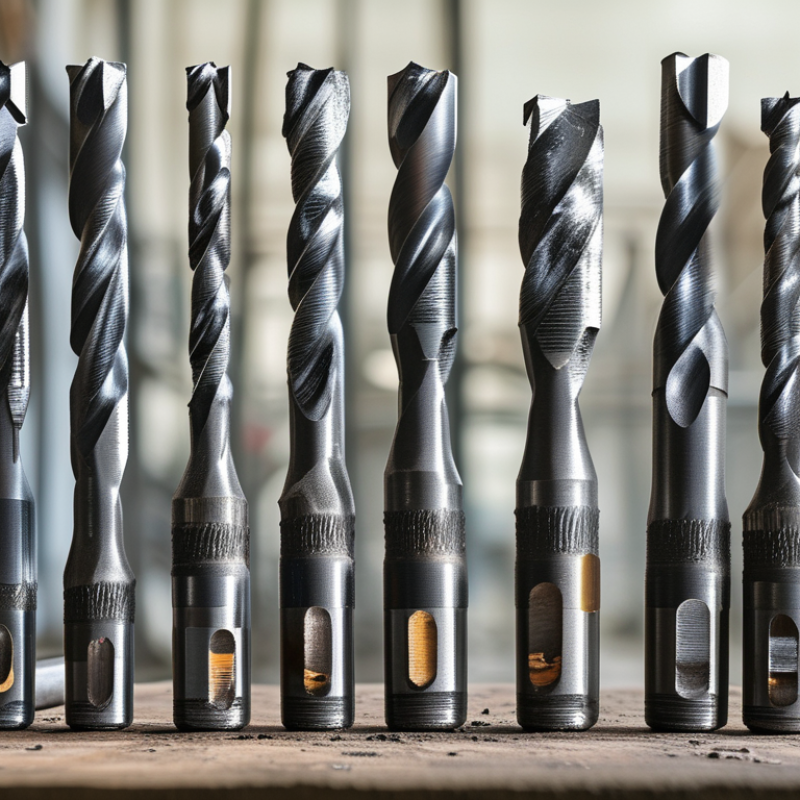
Understanding the Basics of PDC Bits: Matrix Body vs. Steel Body
When choosing between matrix body and steel body PDC bits, understanding their characteristics is crucial.
Matrix body bits offer excellent resistance to abrasion and higher thermal stability. They typically excel in soft to medium-hard formations.
The construction of these bits allows for precision while drilling, helping to maintain wellbore integrity.
On the other hand, steel body bits are known for their durability and toughness, making them suitable for tougher formations like hard rock.
They can be repaired and reconditioned more easily than matrix bits, providing long-term operational advantages. However, they might wear faster in abrasive conditions, leading to increased costs over time.
Tips for selection: Assess the geology of your drilling site. If you anticipate dealing with soft formations, matrix bits might be ideal.
For harder, more abrasive materials, steel body bits could offer more reliability.
Always consider the drilling environment. Make decisions based on experience and analyses rather than trends.
Each option has strengths and weaknesses; reflecting on past projects may guide future choices.
Key Factors to Consider When Choosing PDC Bits
When choosing between matrix body and steel body PDC bits, several key factors come into play. The drilling environment is crucial. Matrix bits often excel in softer formations, while steel bits handle tougher rock types better. Consider the wear resistance too. Matrix bits tend to wear out quicker but provide faster drilling speeds. Steel bits, on the other hand, are more durable but might slow progress.
It's essential to weigh the cost-effectiveness of these bits. Matrix bits typically have a higher initial cost yet can lead to savings in drilling time. Steel bits may be more affordable but could result in longer drilling times and greater operational costs.
Tips: Assess the rock type in your project. Research the formation’s hardness before making a decision. Stay flexible; sometimes, it’s valuable to switch styles based on the drilling dynamics. Always consult with experts who understand geology and mechanical performance for informed choices. Keep a record of past performance for better future decisions. A bit that worked well in one area may not yield the same results elsewhere.
Performance Characteristics of Matrix Body PDC Bits
Matrix body PDC bits have distinct characteristics that make them a
popular choice in drilling applications. They are manufactured
from a composite material that offers better resistance to wear and impact.
This durability allows for extended performance in abrasive formations.
The design leads to less downtime and higher efficiency in drilling operations.
Users often find that these bits excel in challenging environments where
traditional bits might fail.
However, matrix body bits are not without considerations. They can face
difficulties in softer formations, where their aggressive cutting action may
cause damage. While their robustness is a key trait, excessive
heat can affect their performance if not managed properly. Drillers should
reflect on specific project needs when choosing between matrix and steel body bits.
Understanding the geological conditions and application requirements is
essential for optimal performance.
Experts suggest that each drilling situation may demand a different solution.
Careful evaluation ensures the right bit is selected. Knowing the strengths
and weaknesses of matrix body PDC bits can lead to more informed decisions.
Ultimately, the choice between bit types should align with both the drilling
environment and operational goals.
Advantages and Disadvantages of Steel Body PDC Bits
Choosing between matrix body and steel body PDC bits can be challenging. Steel body PDC bits come with distinct advantages and disadvantages that affect performance in drilling operations. One notable advantage is their durability. Steel bits typically exhibit higher resistance to wear compared to matrix alternatives, which can lead to longer bit life under tough drilling conditions. According to industry reports, steel body bits can reduce drilling costs by up to 30% due to decreased frequency of replacements.
Despite their durability, steel body bits have drawbacks. They tend to weigh more than matrix bits, which can impact the drilling speed. Additionally, in certain geological conditions, the increased weight may result in issues like stuck pipe, complicating drilling operations. Therefore, careful consideration of the environmental context is essential.
Tip: Always analyze your drilling environment thoroughly. The choice of bit material should align with the rock formation, depth, and expected challenges. Consider also that as technology advances, hybrid options are emerging. This creates new opportunities, but it also demands a critical assessment of their reliability. Balancing cost, performance, and potential risks is crucial for optimal drilling results.
Cost Considerations in Selecting PDC Bits for Drilling Projects
When considering PDC bits for drilling projects, cost is a significant factor. Matrix body bits usually offer a lower upfront cost. They can perform well in softer formations. However, they may wear out more quickly. This can lead to additional expenses over time due to frequent replacements. Steel body bits, on the other hand, have a higher initial price. Yet, they tend to have longer lifespans. This often makes them a more economical option in the long run.
The choice between these two types also involves evaluating the drilling environment. For harder formations, steel bits likely provide better durability. The investment in steel body bits can yield cost savings. They'll likely require fewer replacements and repairs. In softer formations, matrix bits might suffice. However, the frequent need for replacements could offset the savings.
Reflecting on these factors is crucial. Both types have their pros and cons. A thoughtful assessment of the drilling conditions can help determine the best fit. Balancing short-term costs with long-term benefits is essential. Every drilling project has unique requirements. Consideration of these elements will lead to more informed decisions.
Conclusion
When choosing between matrix body and steel body PDC bits, it's essential to understand what is the difference between matrix body and steel body PDC bits. Matrix body bits typically offer superior wear resistance and thermal stability, making them ideal for challenging drilling conditions. In contrast, steel body bits are generally more durable and can be modified with various cutting designs, providing flexibility in different applications.
Key factors to consider include the specific drilling environment, the required performance characteristics, and cost implications. While matrix body bits tend to excel in performance, especially in abrasive formations, their higher cost may be a drawback for some projects. On the other hand, steel body bits may offer a more budget-friendly option but could compromise performance in demanding scenarios. Balancing these elements will help in making an informed decision for optimal drilling efficiency.

 Savvy Tools