Understanding why do roller cone bit bearings fail prematurely is crucial for the drilling industry. These failures can lead to downtime and significant financial losses. Roller cone bits are vital in many drilling applications, yet their performance can be compromised by various factors.
In this article, we will explore the top ten reasons for these premature failures. Common issues include poor lubrication, excessive heat, and improper handling. Each of these factors plays a role in the overall performance of roller cone bits. For instance, inadequate lubrication can lead to increased friction and wear, causing bearings to fail unexpectedly.
Additionally, there are instances where the design of the bit may not be suitable for specific rock formations. Understanding these complexities allows us to mitigate risks. By delving into these reasons, the drilling industry can better prepare and implement effective strategies. This ultimately leads to reduced failures and maximized productivity in drilling operations.
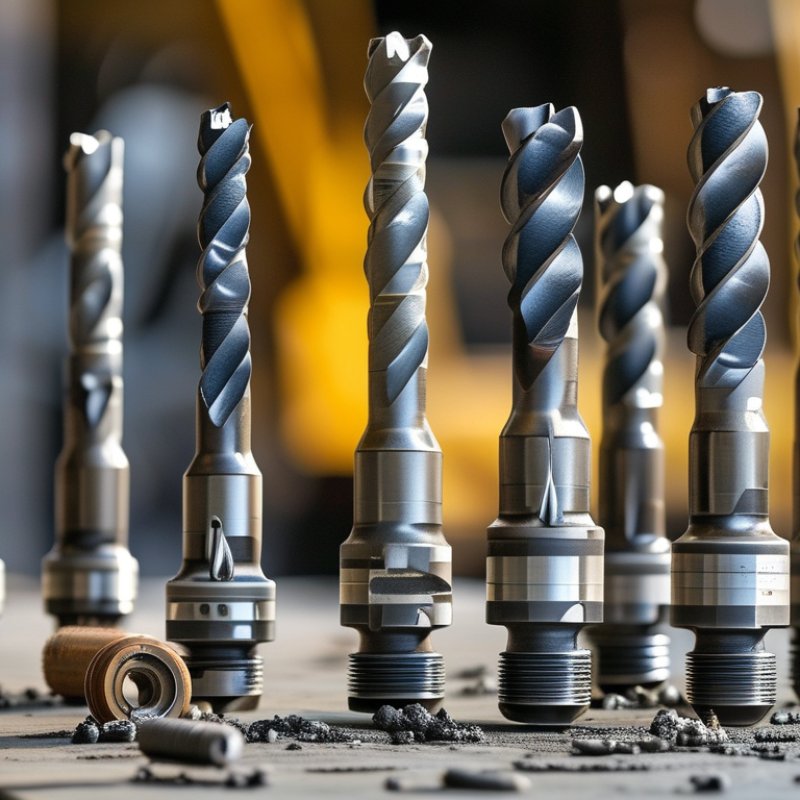
Roller cone bit bearings are crucial for drilling operations, yet they often fail earlier than expected. One major cause is inadequate lubrication. When there isn't enough grease, bearings can overheat. Excessive heat leads to rapid wear and damage. Operators sometimes overlook the importance of regular lubrication checks. This negligence can cut the lifespan of the bearings significantly.
Another common issue is contamination. Dirt and debris can infiltrate the bearings, causing abrasive wear. Operators need to maintain a clean drilling environment. This involves regular inspections and using protective measures. Ignoring this can result in catastrophic failures. Additionally, poor assembly practices may lead to misalignment. When bearings are not installed correctly, they cannot distribute loads evenly. This misalignment causes stress and accelerates wear, ultimately leading to premature failure.
| Reason | Description | Impact | Preventive Measures |
|---|---|---|---|
| Inadequate Lubrication | Insufficient or improper lubrication can lead to overheating and wear. | Increased friction and risk of seizure. | Regular checks and maintenance of lubrication levels. |
| Contamination | Foreign particles can enter the bearing, causing wear and damage. | Premature bearing failure. | Seal integrity checks and operating environment assessments. |
| Overloading | Exceeding the load capacity can lead to rapid wear. | Decreased lifespan and potential catastrophic failure. | Adhering to load limits and optimizing operational parameters. |
| Thermal Stress | Extreme temperatures can affect bearing materials and lubrication. | Softening of materials and increased wear. | Monitoring operational temperatures and using heat-resistant materials. |
| Faulty Installation | Improper alignment or fitting can induce stress on bearings. | Potential for mechanical failure. | Training and adherence to installation protocols. |
| Material Defects | Substandard materials can lead to inherent weaknesses. | Increased risk of sudden failure. | Quality control and sourcing from reputable suppliers. |
| Incorrect Bearing Type | Using the wrong specification can lead to failure under operational conditions. | Suboptimal performance and quick wear. | Selecting the right bearing type for specific applications. |
| Operational Vibrations | Excessive vibrations can cause alignment issues and damage. | Accelerated wear and potential failure. | Balancing equipment and reducing operational vibrations. |
| Insufficient Maintenance | Lack of regular inspection can lead to unnoticed issues. | Increased likelihood of unexpected failures. | Establishing a robust maintenance schedule and procedure. |
: Inadequate lubrication is a major cause, leading to overheating and rapid wear.
Dirt and debris can infiltrate bearings, causing abrasive wear and potential catastrophic failures.
Regular lubrication checks and maintaining a clean drilling environment are crucial for longevity.
Misalignment during assembly can lead to uneven load distribution, causing accelerated wear and failure.
Inadequate sealing allows contaminants to enter, leading to corrosion and mechanical wear.
Proper materials must withstand high pressures; subpar choices can lead to failures under normal conditions.
Bearings designed for maximum load may struggle with fluctuating pressures, highlighting the need for proper testing.
Engineers sometimes neglect proper sealing, creating vulnerabilities that lead to premature failures.
They help identify weaknesses before they become problems, saving time and resources in the field.
A proactive approach, including proper design and maintenance, can make a significant difference.
The article titled "10 Best Reasons Why Roller Cone Bit Bearings Fail Prematurely" explores several critical factors contributing to the premature failure of roller cone bit bearings. One of the primary causes is poor lubrication, which significantly affects bearing longevity by not providing adequate protection against wear and tear. Additionally, the performance of bearings can be severely impacted by extreme temperatures and pressures that exceed their design limits, leading to thermal stress and eventual failure.
Moreover, the quality of materials used in manufacturing plays a crucial role in determining the durability of bearings. Inferior materials can compromise strength and wear resistance. Lastly, design flaws are also a critical aspect; inadequate engineering can result in vulnerabilities that increase the likelihood of failure. Understanding why do roller cone bit bearings fail prematurely allows for better preventive measures and improved operational efficiency in various applications.

 Savvy Tools