Explore our premium machinery, down-the-hole drilling tools, and high-precision diamond core bits designed for robust rock formations.

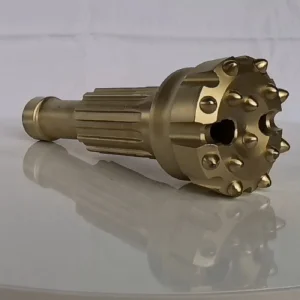
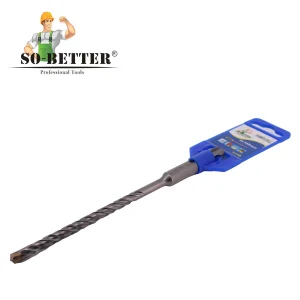
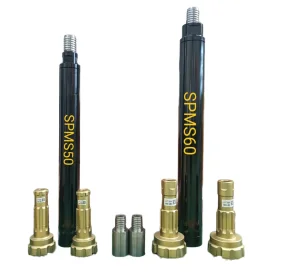
An Industry Whitepaper on Tricone Drill Bit Mechanics, Metallurgical Quality Control, and Supply Chain Integration from China's Premier Manufacturers.
In modern exploratory drilling, oilfield development, mining, and civil infrastructure, the efficiency of rotary drilling systems heavily depends on the bottom-hole assembly (BHA) design and the performance of the roller cone bit. Commonly known as the tricone bit, this engineering marvel operates under severe conditions involving high axial loads, intense frictional heat, abrasive environments, and corrosive fluids. Selecting the correct tricone bit configuration is not merely a purchasing decision; it is a critical engineering calculation that directly dictates the Rate of Penetration (ROP), Cost per Foot (CPF), and overall drill rig uptime.
As global drilling targets move towards greater depths and more complex structural formations, sourcing high-durability tricone bits has become paramount. Shandong Savvy Tools Co., Ltd., leveraging decades of material science innovations and structural engineering in China, has emerged as a globally recognized manufacturer. This whitepaper serves as an authoritative guide on selecting, auditing, and optimizing tricone bits, providing engineering departments and procurement agencies with the critical data points required to maximize operations.
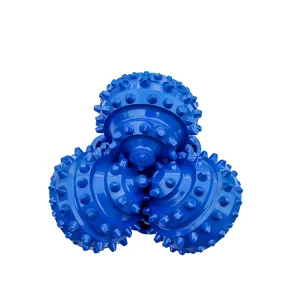
The fundamental mechanics of a tricone bit rely on three independent cones rotating around distinct bearing journals. The action of these cones on the rock bottom involves a combination of crushing, chipping, and scraping. The selection of the cutting structure and bearing type represents the core engineering trade-off:
Utilize press-fitted, highly sintered tungsten carbide shapes (conical, spherical, chisel-shaped) to drill through hard, abrasive formations. TCI bits offer supreme wear resistance and retain cutting geometry over extended run hours, making them ideal for deep oil/gas exploration and hard-rock mining.
Manufactured by milling the cutting teeth directly out of the cone alloy steel. The teeth are subsequently faced with hard metal alloys (cobalt-tungsten carbide cladding) via specialized welding. These bits are highly effective in soft formations (e.g., shale, clay, soft limestone) where high ROP is achieved through long teeth scraping the bottom-hole.
The lifetime of a tricone bit is defined by its bearings. Options range from open roller bearings for shallow, low-cost applications, to elastomer/metal face sealed journal bearings. The latter employ specialized silver plating and high-grade lubricants, sealing out drilling mud under extreme hydrostatic pressure.
An engineer must also consult the **IADC (International Association of Drilling Contractors)** coding system. The code categorizes the cutting structure series (1 to 8), formation hardness type (1 to 4), bearing/gauge configuration (1 to 7), and additional features. Utilizing an inappropriate IADC code results in premature bearing failure, cone loss, or tooth breakage, causing catastrophic downtime and requiring fishing operations to retrieve lost steel fragments from the wellbore.
The paradigm of sourcing industrial drilling equipment has fundamentally shifted. China, specifically industrial epicenters in Shandong Province, has evolved from a high-volume manufacturer to a global leader in precision metallurgical and geological tool engineering. Shandong Savvy Tools Co., Ltd. embodies this transition, operating a highly integrated domestic supply chain that control costs, maintains extreme precision, and optimizes lead times.
The manufacturing ecosystem in Shandong yields several competitive benefits:
For major mining groups, public infrastructure firms, and oilfield service providers, procurement decisions are governed by compliance and rigorous risk management. Tricone bits must conform to the American Petroleum Institute (API) requirements, specifically API Spec 7-1, which regulates rotary drilling equipment connections, thread gauges, tolerances, and design pressures.
When evaluating suppliers, global procurement divisions prioritize:
Shandong Savvy Tools Co., Ltd. enforces strict testing protocols. Non-Destructive Testing (NDT), including magnetic particle inspection and ultrasonic scanning, is regularly deployed to ensure zero micro-fractures exist within the cones, journal bearings, or shanks before shipping.
Different drilling operations demand specialized tricone configurations. Hard rock requires high crushing force, whereas softer formations require shearing.
Geothermal Energy Drilling: In deep geothermal wells, formations typically consist of high-compressive-strength granite, basalt, or quartzite. Temperatures routinely exceed 200°C (392°F). Under these extreme thermal conditions, elastomer seals degrade rapidly. Engineers must choose high-temperature elastomer materials or opt for metal-to-metal face sealed bearings paired with specialized heat-resistant synthetic grease to prevent bearing lockup.
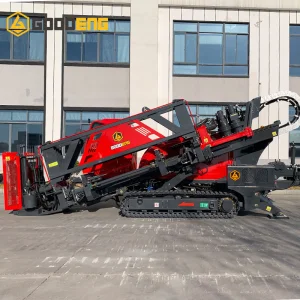
Horizontal Directional Drilling (HDD): For urban utility corridors, river crossings, and pipeline infrastructure, HDD rigs (such as the 36-100 ton Goodeng systems) operate horizontally. The tricone bit experiences asymmetrical loading, requiring reinforced gauge protection (carbide inserts pressed along the outer edge of the cones) to prevent wear and ensure the borehole retains its circular profile.
Open-Cast Mining: Blast hole drilling in mining environments involves constant cycling through variable overburden layers. Speed and reliability are key metrics here. Open bearing TCI bits or high-performance milled tooth bits are frequently selected, utilizing air cooling pathways (jet nozzles designed to direct compressed air into the bearings) to sweep out cuttings and maintain low bearing temperatures.
The roller cone industry continues to innovate, aiming to maximize run times and ROP. One major development is the integration of finite element analysis (FEA) and computational fluid dynamics (CFD) to model tooth impact sequences. By simulating how teeth make contact with the rock interface, engineers can optimize tooth pitch, shape, and height to eliminate tracking (where teeth land in previous craters) and reduce vibration.
Another growing segment is the **Hybrid Drill Bit**, which combines roller cones with Fixed Cutter PDC (Polycrystalline Diamond Compact) blades. The roller cones break down the center of the rock formation via impact crushing, while the outer PDC blades shear the outer edges, providing high penetration rates in heterogeneous, interbedded strata. Moreover, advanced nanotechnology-based coatings are being applied to journals to minimize sliding friction and extend bearing lives in ultra-deep wells.
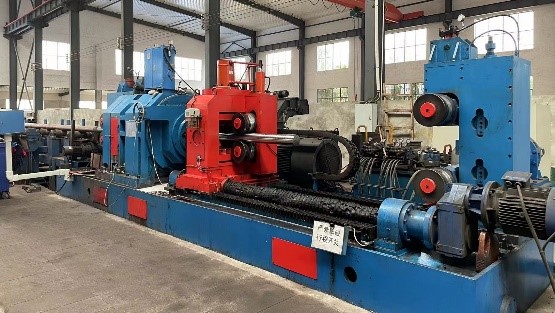
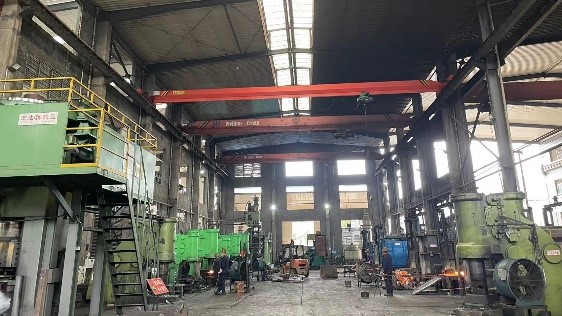
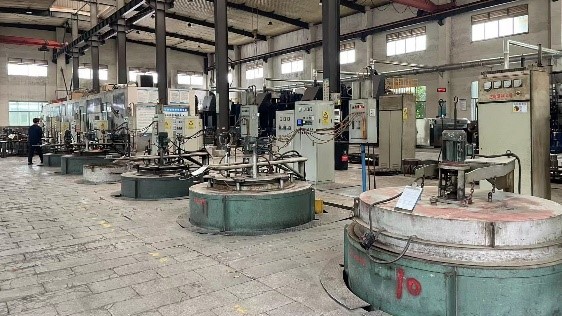
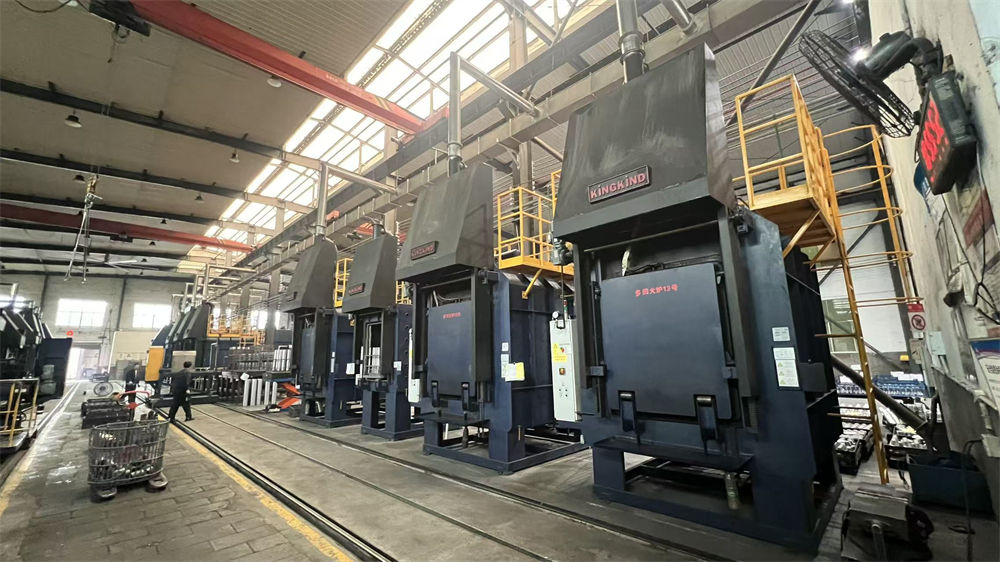
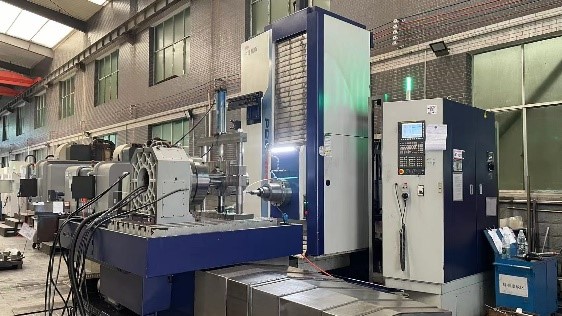
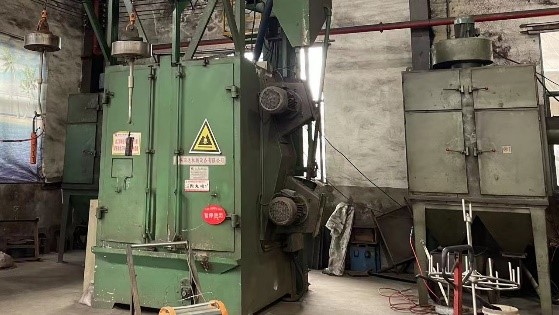
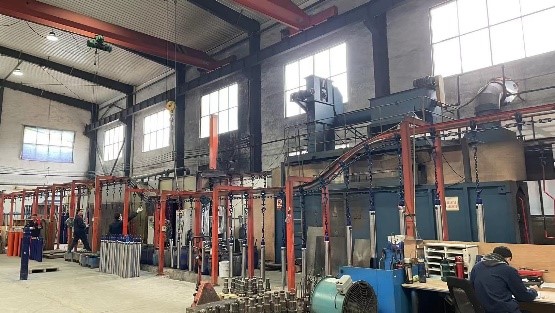
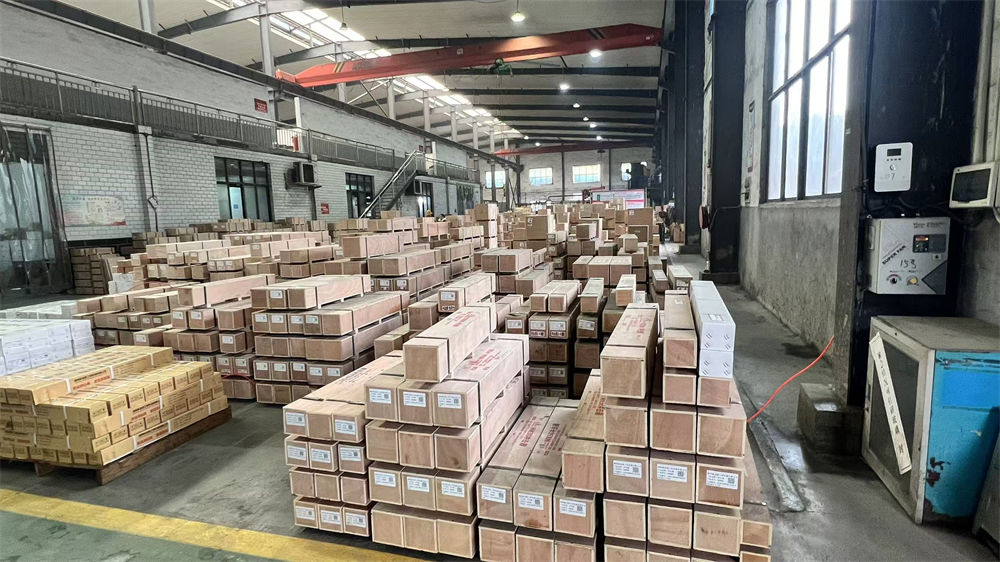
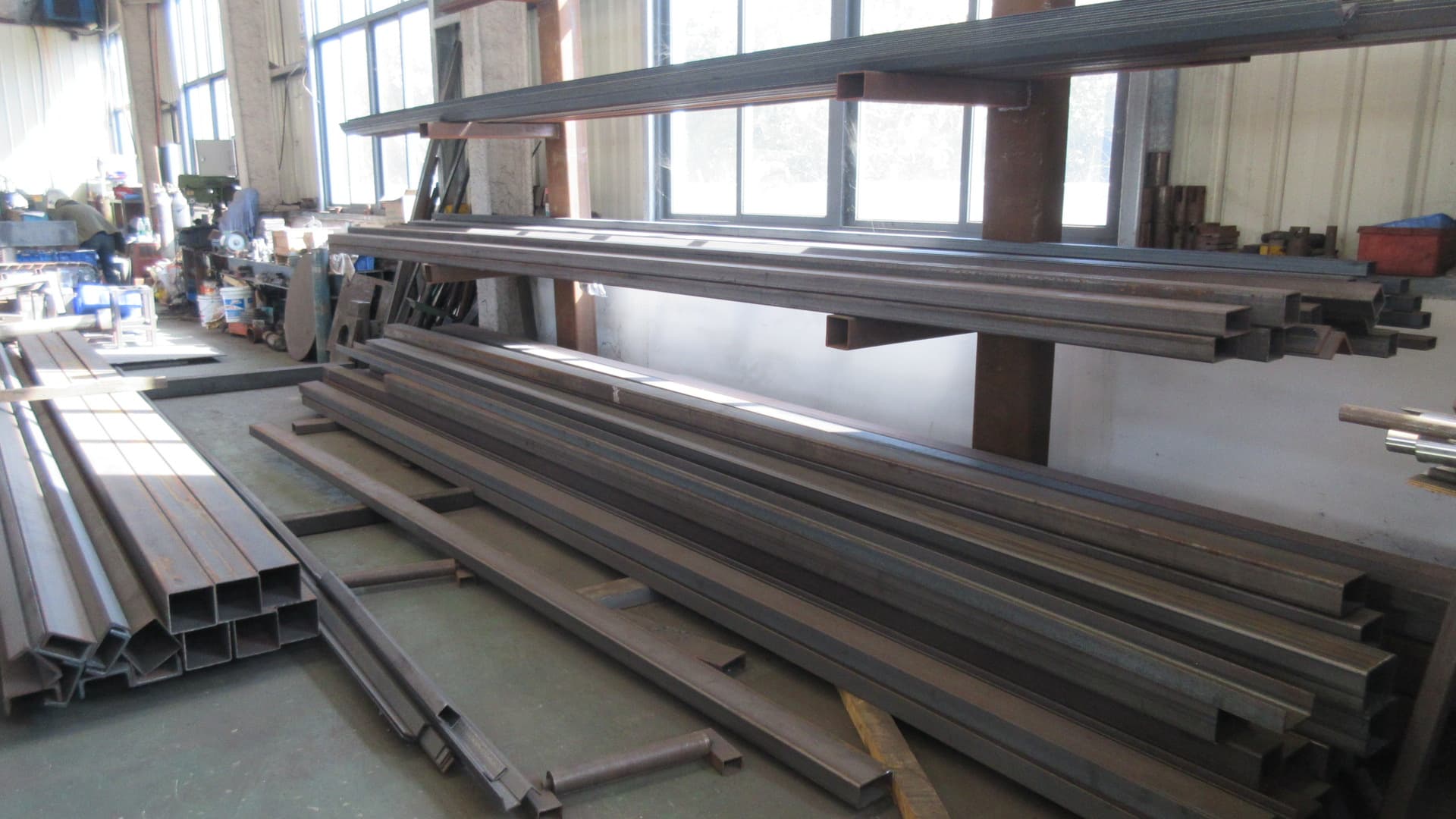
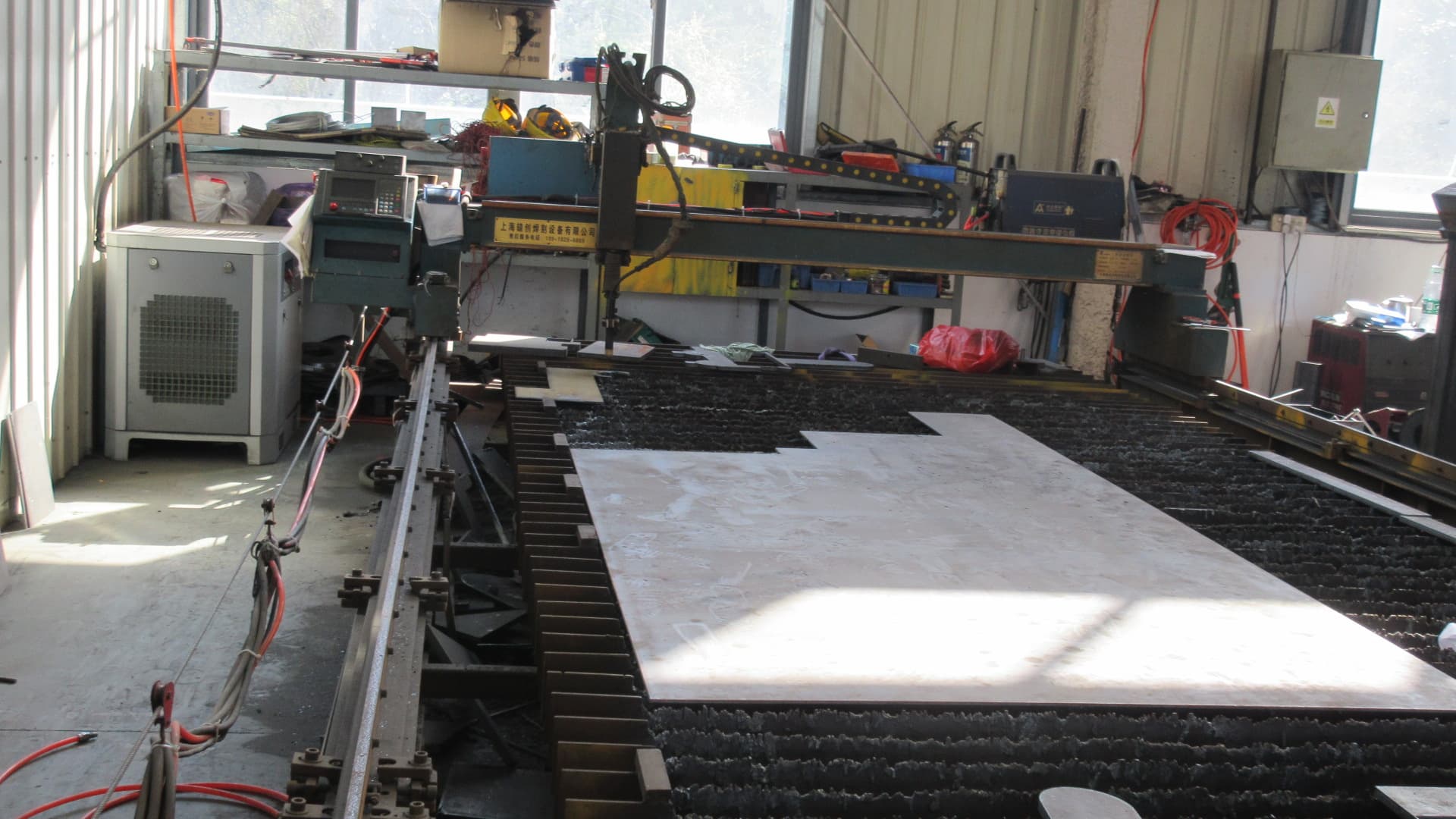
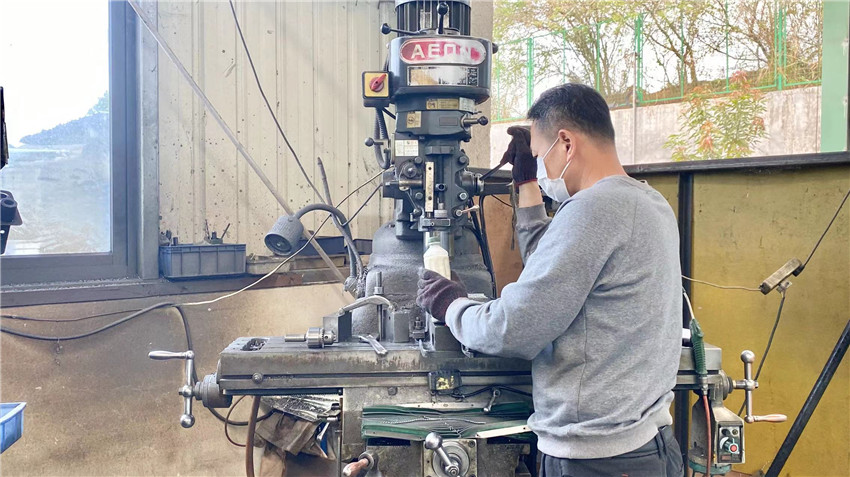
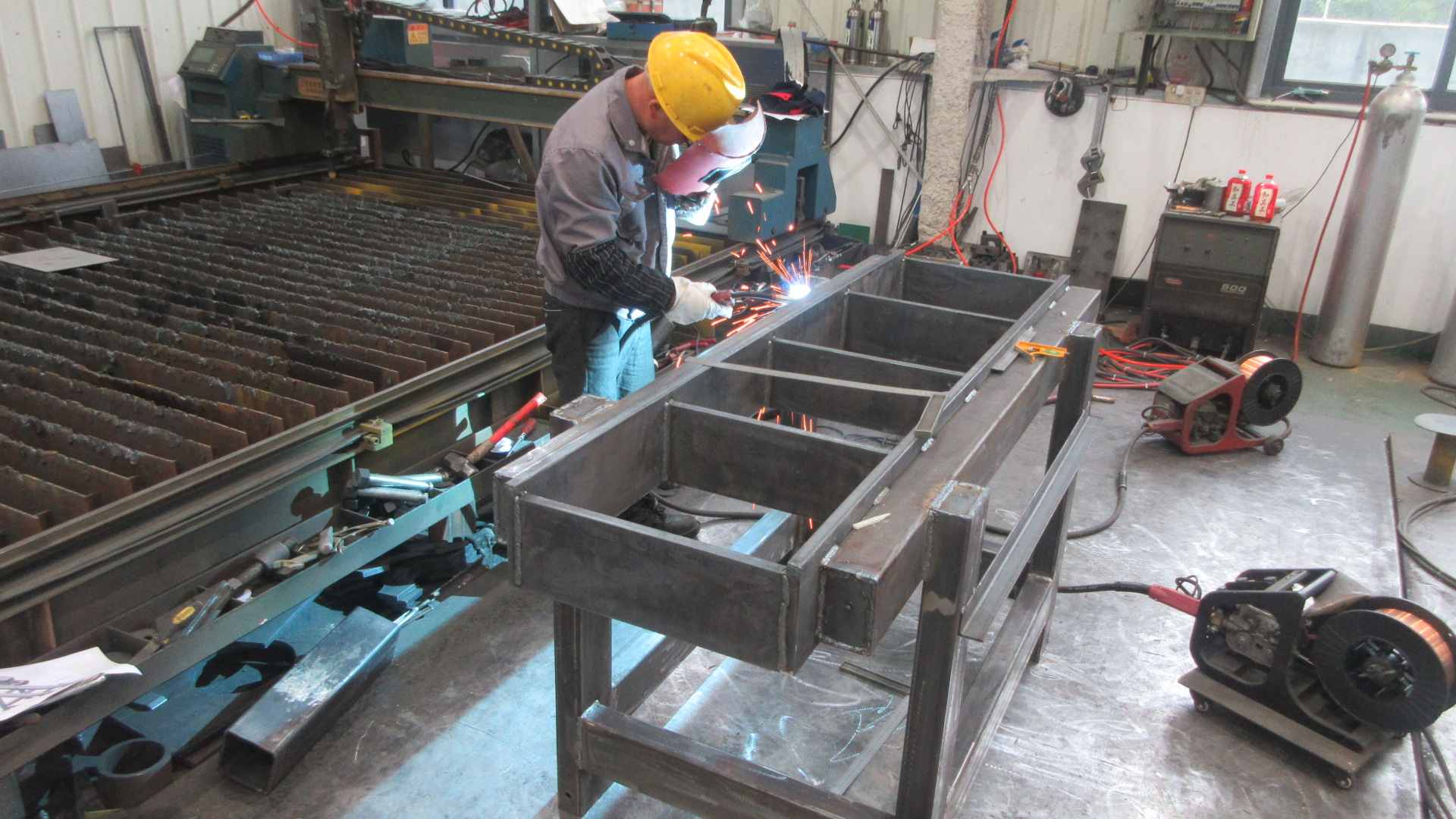
Witness our end-to-end production workflow at Shandong Savvy Tools Co., Ltd., combining state-of-the-art metallurgical treatments with rigorous quality gates.
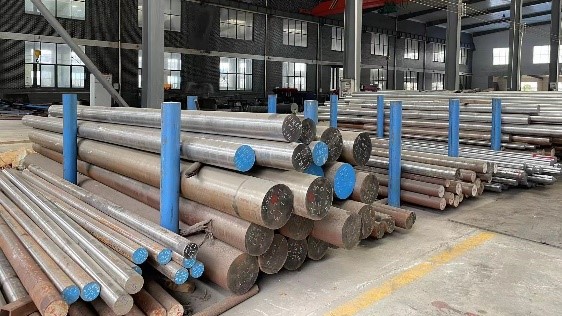
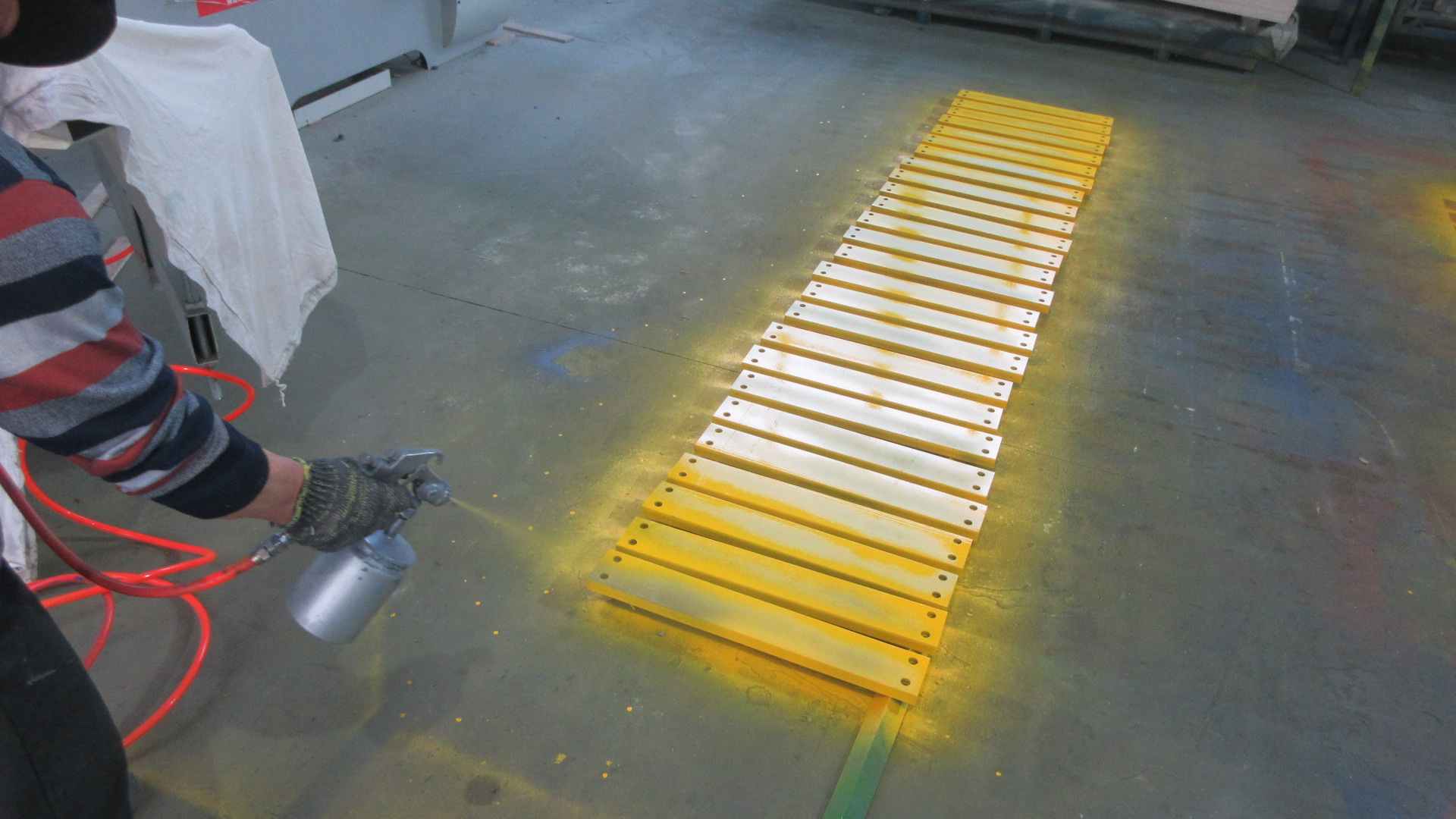
Crucial insights on selecting, operating, and extending the lifespan of tricone rock drill bits.
Explore our wide range of drilling solutions, including anchors, DTH hammers, core tools, and high-strength industrial fasteners.
 Savvy Tools