Engineered for high-pressure, high-temperature (HPHT) environments
The global subsea drilling market is shifting toward ultra-deepwater exploration and seabed mineral harvesting. Key trends include the integration of real-time sensory bits, carbon-sequestration drilling techniques, and the adoption of hybrid PDC-Tricone technologies to tackle complex geological formations in the South China Sea, the North Sea, and the Gulf of Mexico.
International Tier-1 contractors are increasingly looking toward Chinese manufacturing hubs for cost-effective, API-certified drilling tools. The demand focuses on high fatigue-resistance drill rods, self-drilling anchor bolts for subsea foundations, and diamond-impregnated bits capable of handling salt domes and pre-salt layers.
Modern subsea operations demand rigorous adherence to ISO 9001:2015 and API Spec 7-1. Leading Chinese manufacturers are now bridging the gap by providing localized technical support, comprehensive material traceability, and metallurgical certifications that meet stringent European and North American environmental regulations.
Precision Engineering & Global Export Excellence
Shandong Savvy Tools Co., Ltd. is a professional manufacturer and supplier of drilling tools and mining equipment, located in Shandong Province, China. Since its establishment, the company has been committed to the research, development, production, and global distribution of high-quality drilling and mining solutions for customers worldwide.
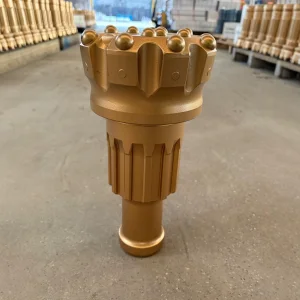
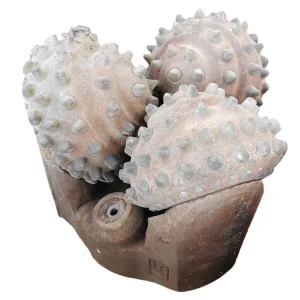
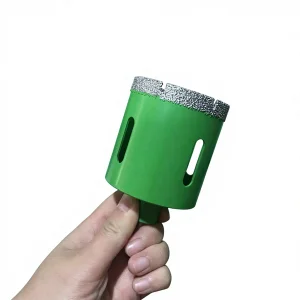
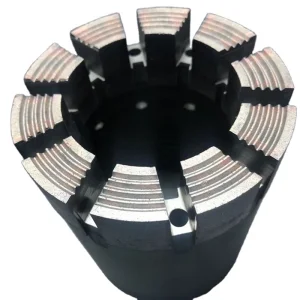
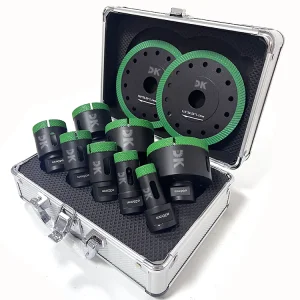
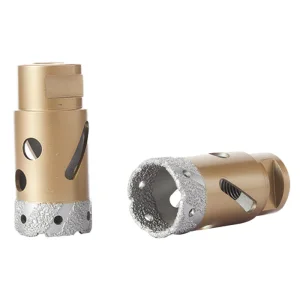
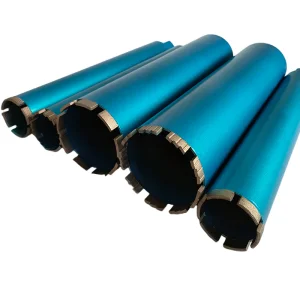
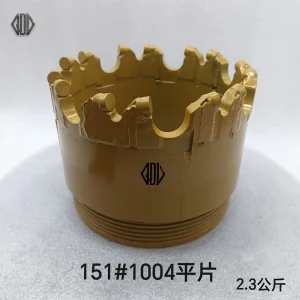
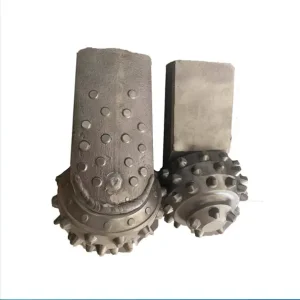
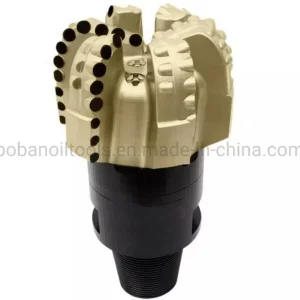
Our main product range includes PDC drill bits, tricone bits, DTH hammers, and core drilling tools. These are critical for subsea exploration, mining, geological surveying, and oil/gas extraction. By implementing a strict quality management system, we ensure that every bit and pipe can withstand the corrosive and high-pressure environments of underwater operations.
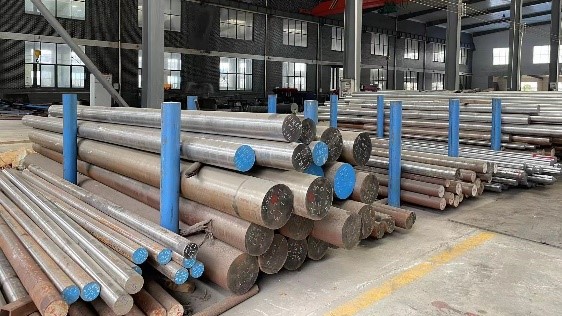
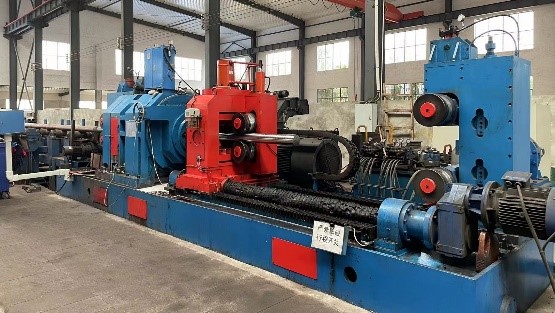
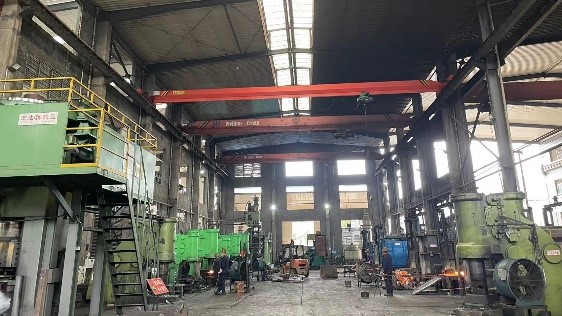
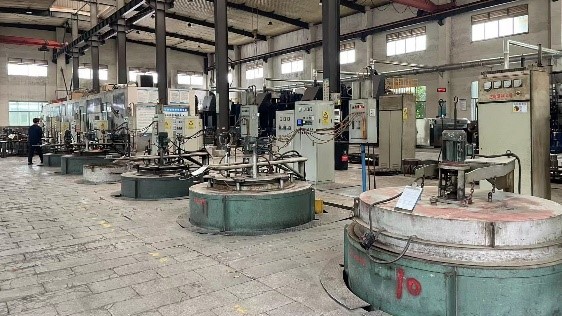
A transparent look at our factory's end-to-end manufacturing process
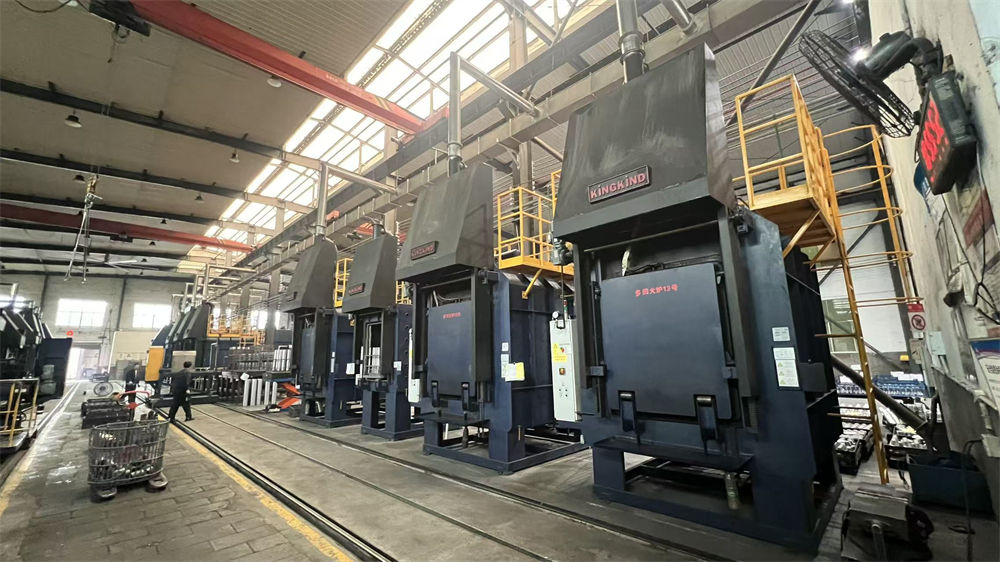
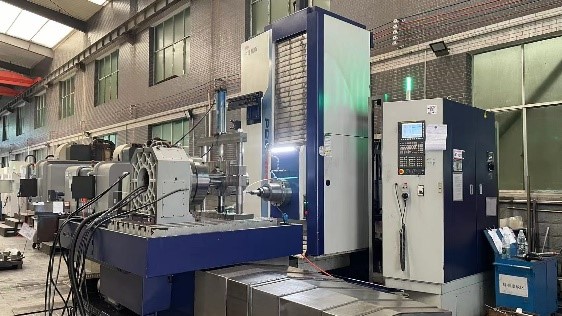
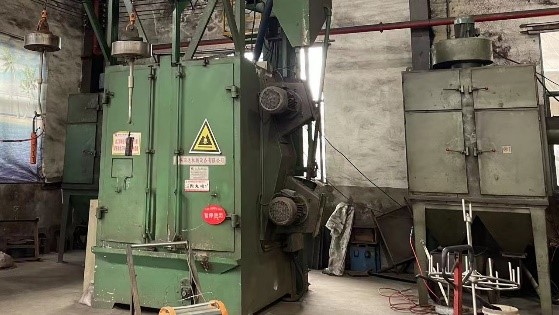
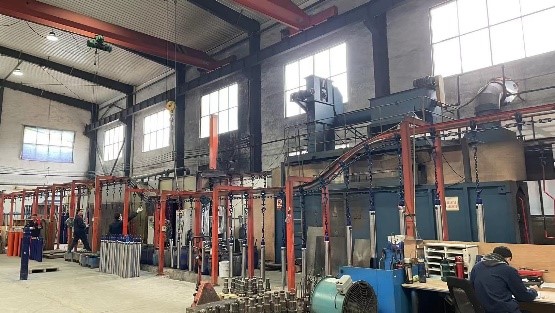
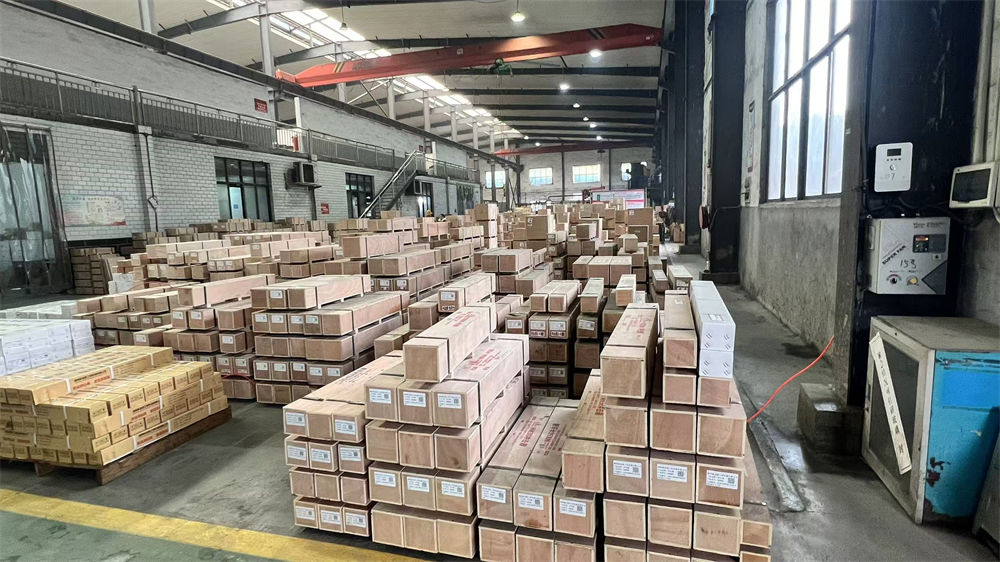
Technical whitepaper content for engineering procurement managers
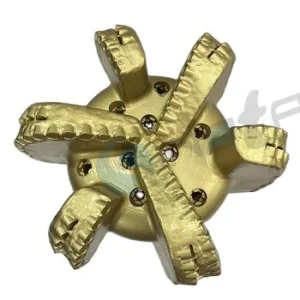
🔹 Geological Challenges in Offshore Drilling: Subsea drilling is fundamentally more complex than terrestrial drilling due to the presence of hydrostatic pressure and unstable marine sediments. Our PDC (Polycrystalline Diamond Compact) Bits are specifically engineered with optimized cutter density and back-rake angles to ensure consistent Rate of Penetration (ROP) while minimizing torque fluctuations that could damage expensive subsea assemblies.
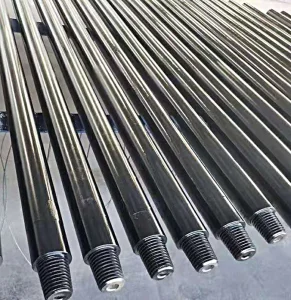
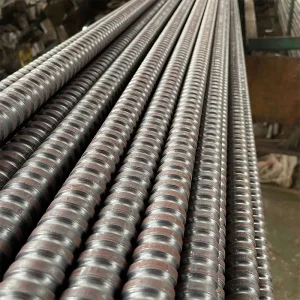
🔹 Material Science for Longevity: Corrosion is the primary enemy of subsea equipment. Shandong Savvy Tools utilizes high-grade Ni-Cr-Mo alloy steels and specialized stainless steel for drill rods and pipes. This ensures that the components resist hydrogen embrittlement and chloride stress corrosion cracking, extending the service life of the drill string in saltwater environments.
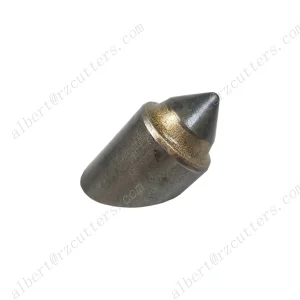
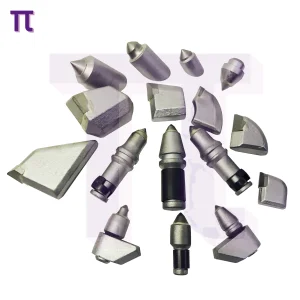
🔹 HDD and Directional Drilling in Marine Foundations: Horizontal Directional Drilling (HDD) is becoming vital for subsea pipeline installations and offshore wind farm foundations. Our tungsten carbide welding bits (BR1 series) provide the necessary durability for rock reaming and steering in high-density seafloor conditions, allowing for precise placement of subsea infrastructure.
🔹 The Future of Automated Subsea Mining: As the world looks toward the seafloor for cobalt, nickel, and manganese, the need for automated, remotely operated drilling tools increases. We are currently developing "Smart Bits" with integrated vibration sensors to provide real-time data to surface operators, reducing the risk of "downhole" failures that can cost millions in downtime.
Explore our full range of API-standard equipment
 Savvy Tools