Engineered for extreme rock formations, precision geological core recovery, and robust horizontal path guidance.
In modern geological extraction, underground infrastructure development, and exploratory mining operations, downhole assemblies function as critical interfaces between mechanical surface energy and geological resistance. Selecting high-grade wireline systems, drill strings, Bottom Hole Assemblies (BHA), and horizontal directional drilling (HDD) systems is fundamental to project feasibility. Factors such as directional precision, rotational torque tolerance, dynamic borehole stress management, and abrasive wear mitigation dictate the structural configuration of subsurface tools.
From deep-hole wireline mineral core recovery in Western Australia to utility-conduit trenchless installations under metropolitan European centers, tools must handle varying tensile loads, high hydrostatic pressure, and acidic slurry environments. The industry has shifted toward high-carbon alloy structures, specialized physical vapor deposition (PVD) surface coatings, and precise non-magnetic metallurgy to prevent electromagnetic interference in directional drilling sensors.
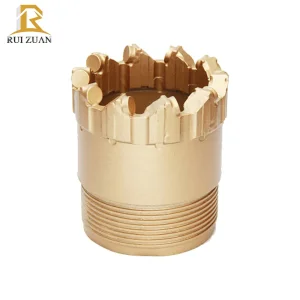
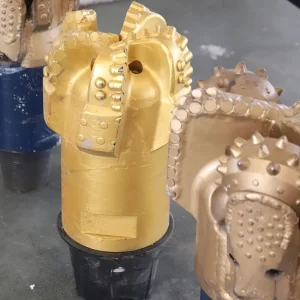
Located in Shandong Province, China, Shandong Savvy Tools Co., Ltd. specializes in structural drilling and mining components. We supply PDC drill bits, DTH hammers, core recovery tools, high-tensile drill rods, and structural anchoring systems globally.
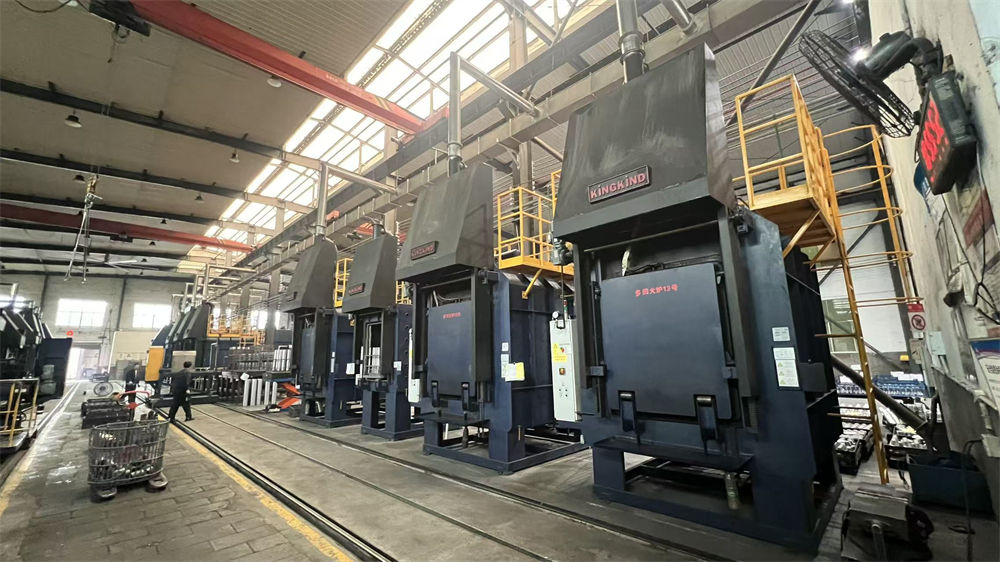
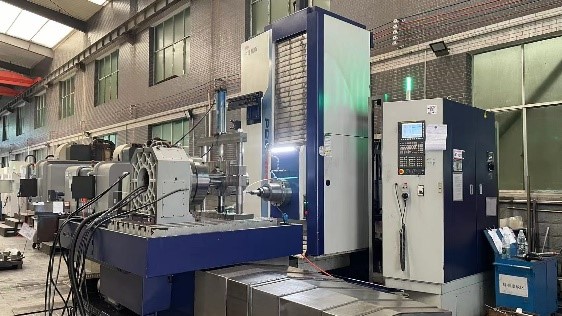
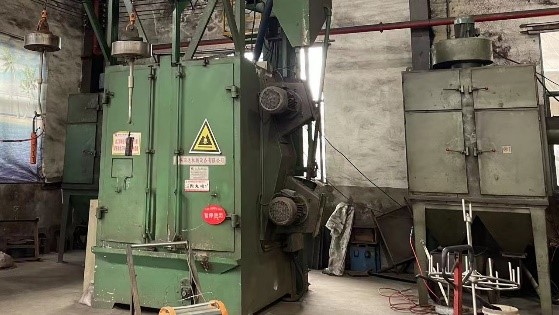
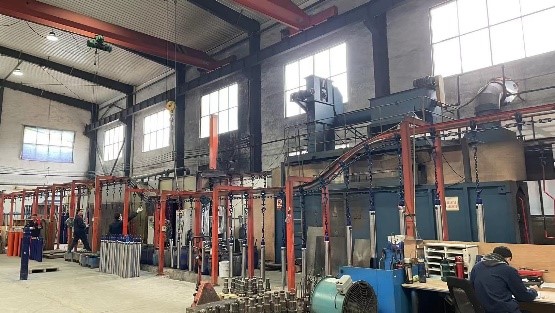
Our manufacturing workflow combines advanced metallurgy with quality control procedures. We monitor every step of the process—from sourcing raw steel billets through induction hardening to final corrosion-resistant surface coatings—to ensure compliance with field operational limits.
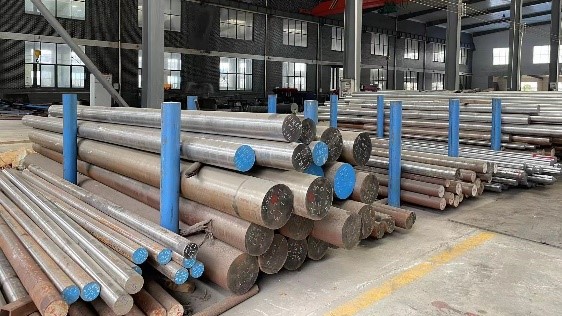
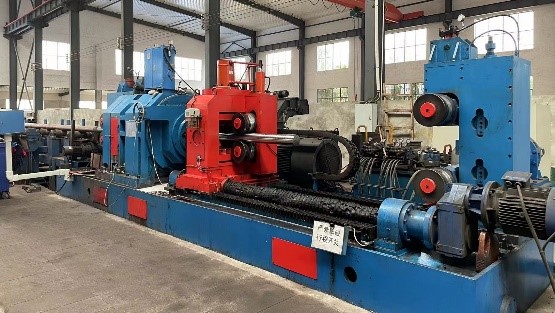
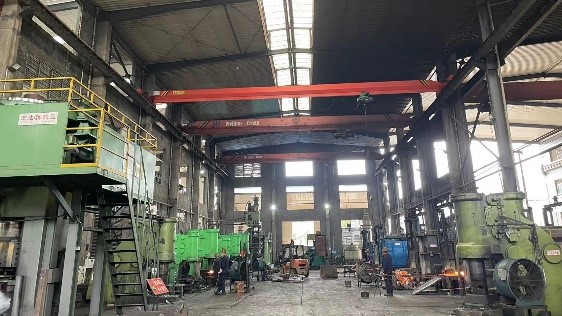
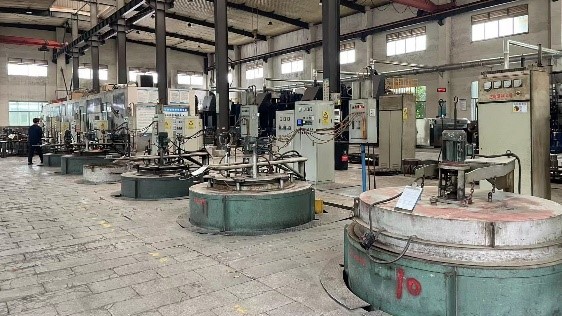
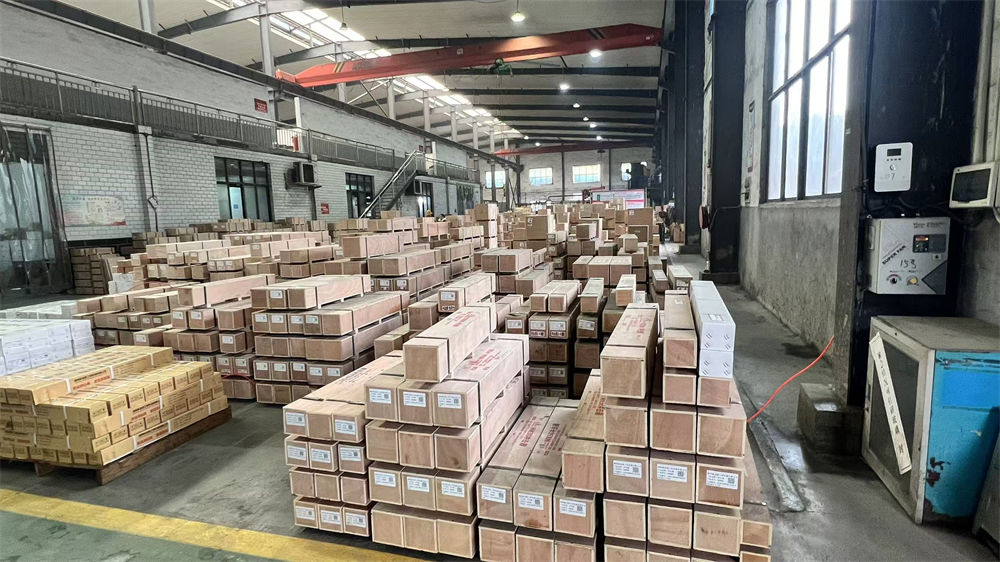
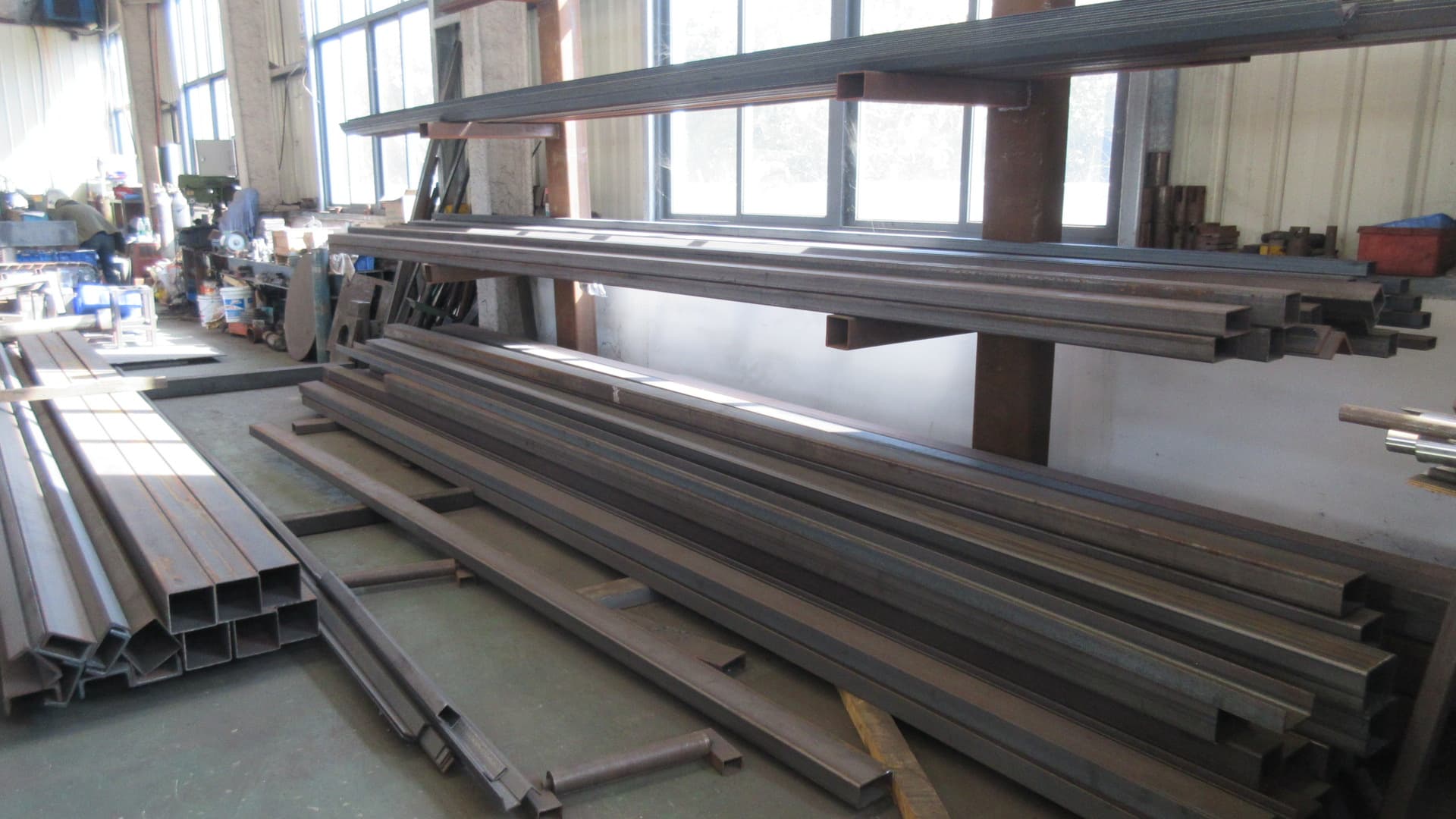
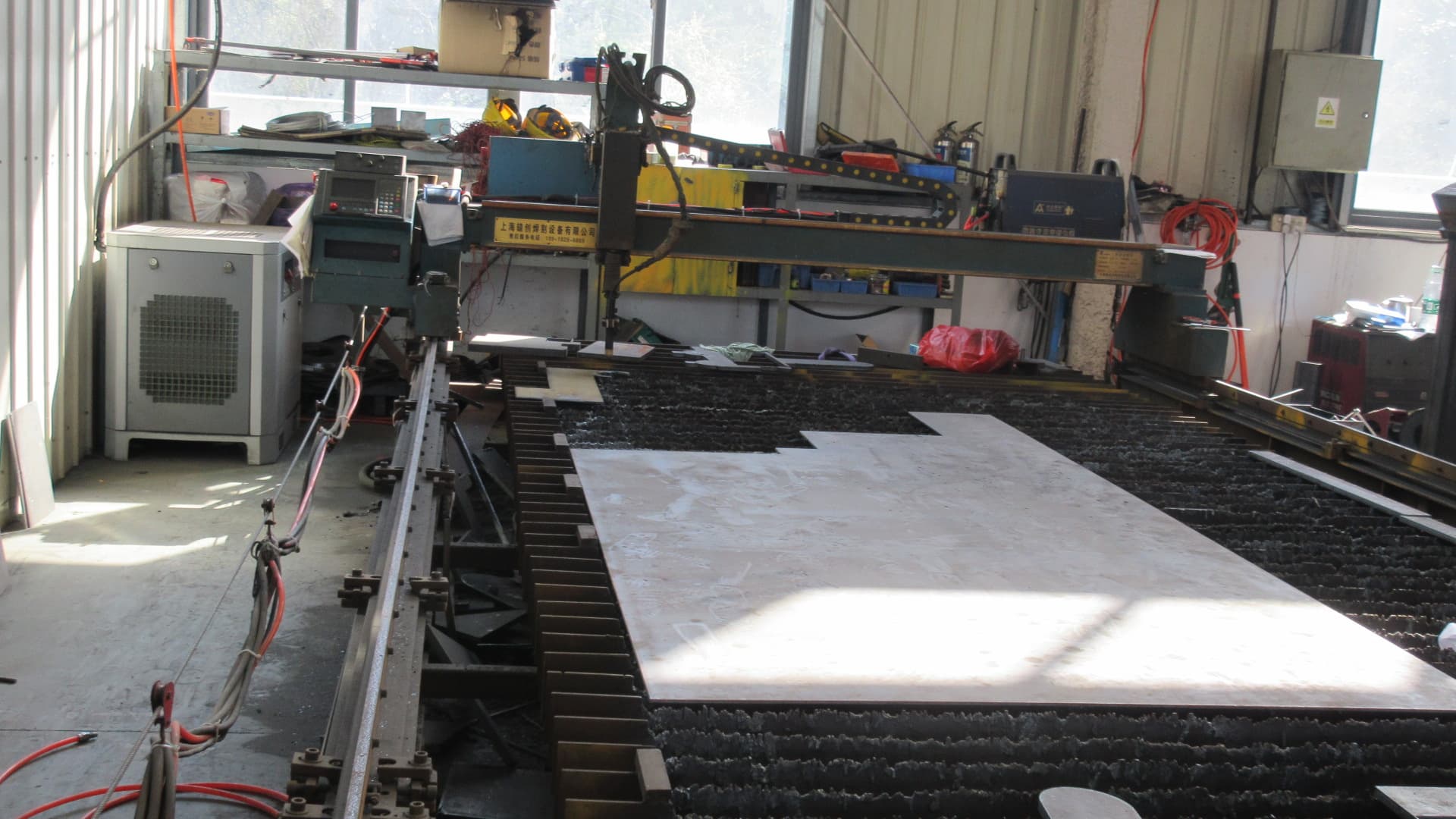
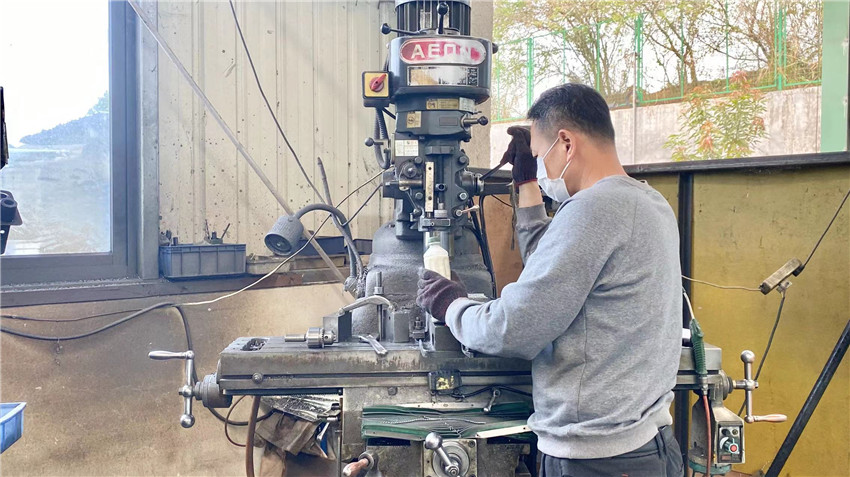
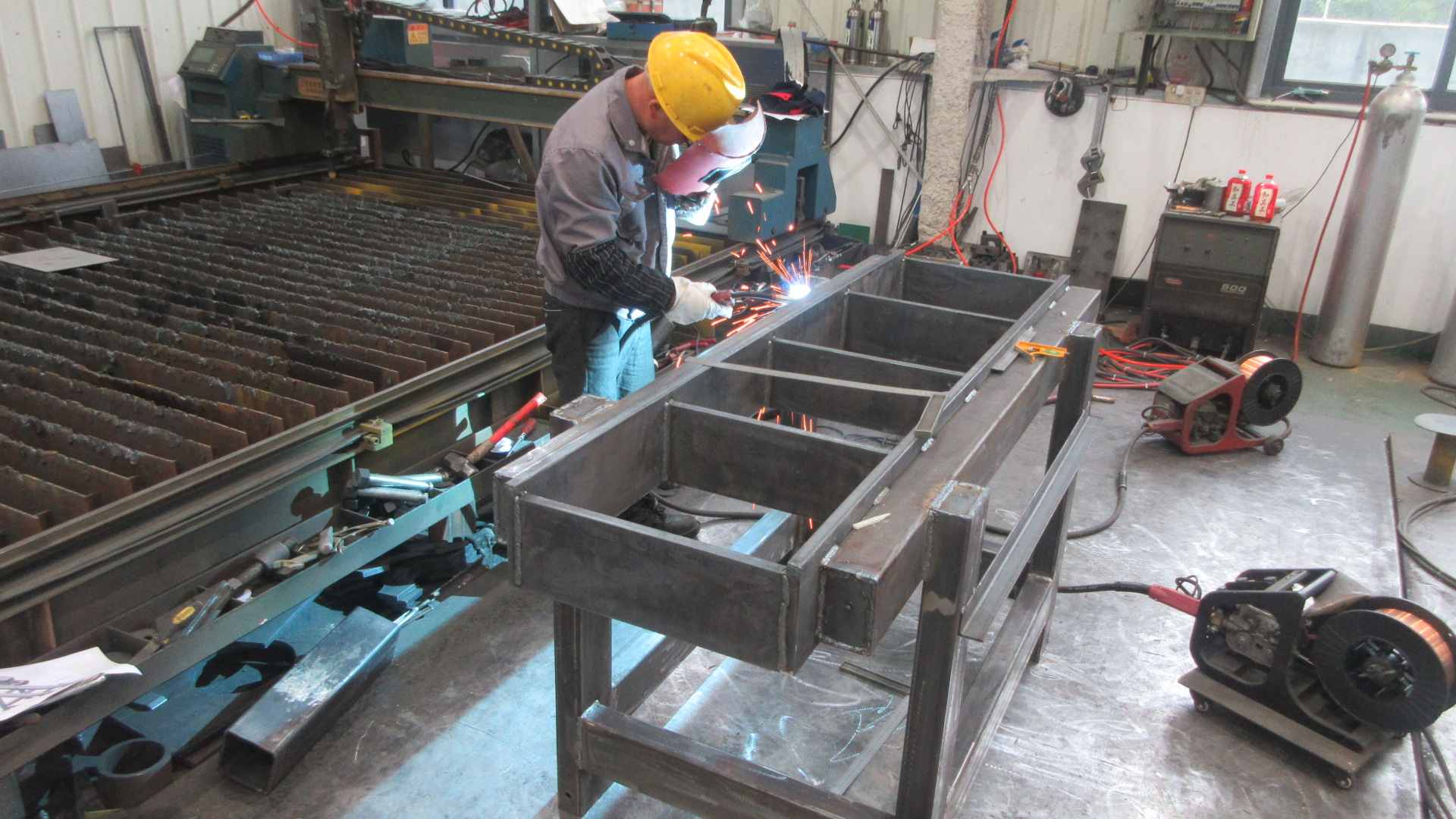
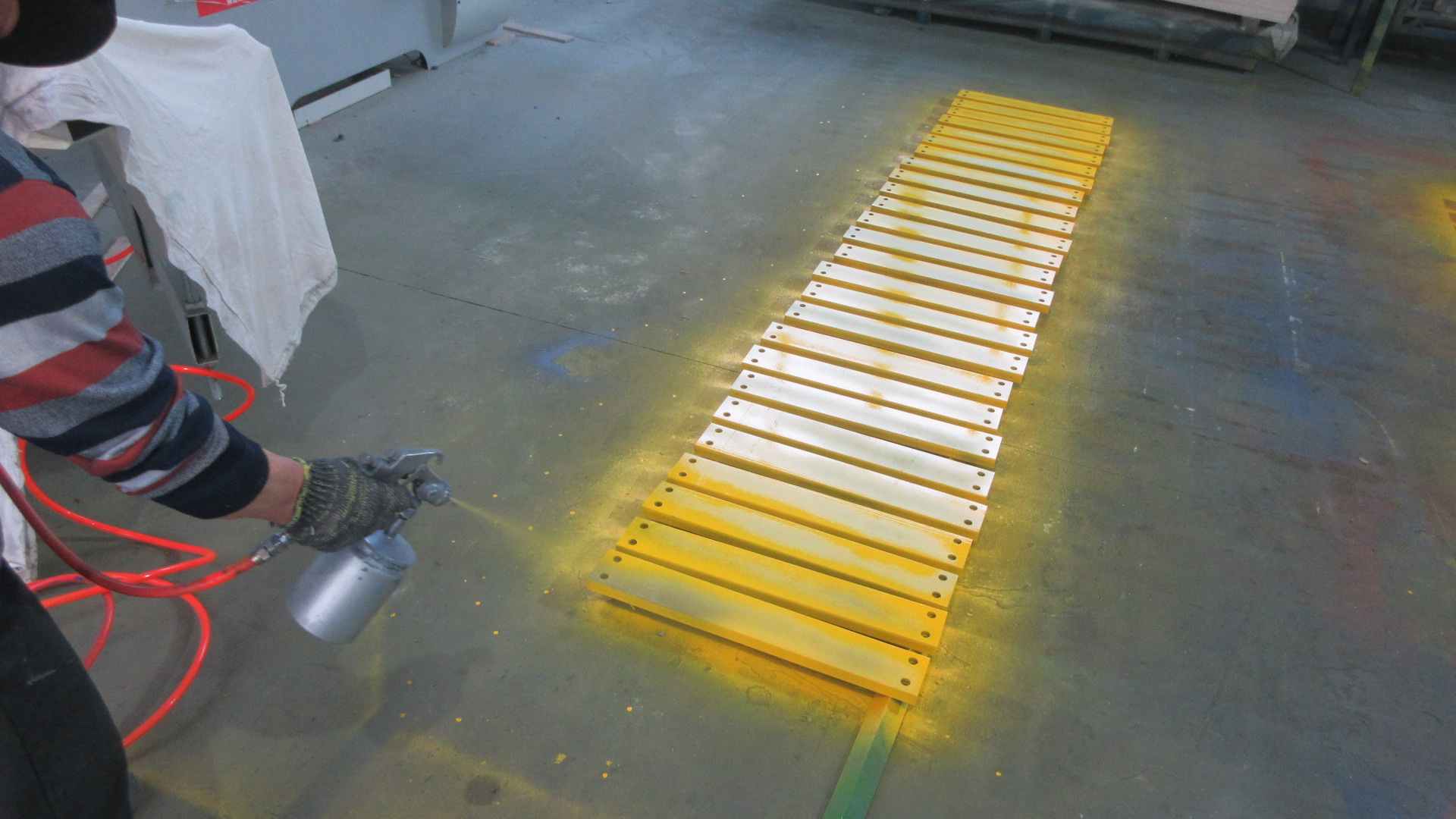
Our research and development initiatives focus on improving downhole telemetry integration and tool wear-resistance. Modern drilling operations generate high friction and mechanical feedback, requiring materials that resist physical degradation.
Key focus areas in our technical roadmap include:
"Operating stability in trenchless and deep geological exploration depends on thread design and structural metallurgy. Standard configurations can fail under sudden torque peaks. Our friction-welded tool joints use a dual-tempered structural design to withstand these rotational shear stresses during directional adjustments."
Our drilling products are designed for diverse geological environments and operational conditions worldwide.
Double and triple-wall wireline core barrels recover pristine core samples from hard, fractured rock formations, assisting mining operations in resource estimation.
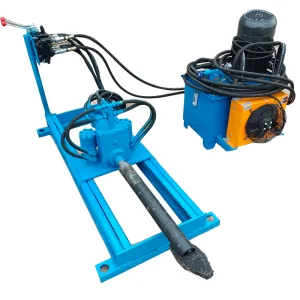
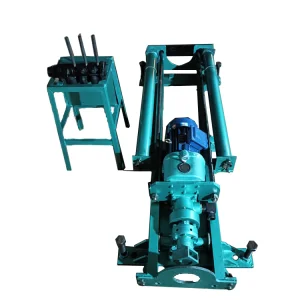
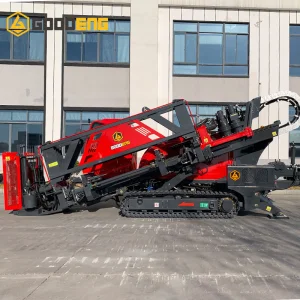
Horizontal directional drilling systems install subterranean gas, water, and fiber-optic networks beneath active urban corridors without surface disruption.
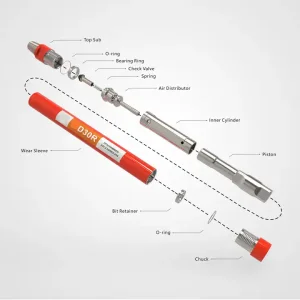
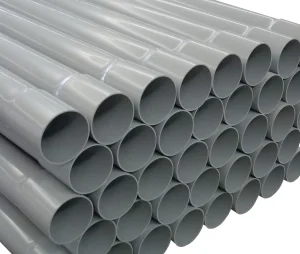
High-pressure DTH hammers and PVC casing screens stabilize water-bearing zones and optimize production yields in agricultural and drinking water wells.
Drilling straight vertical holes or controlling directional drilling paths requires managing bending moments in the Bottom Hole Assembly (BHA). Stabilizers and drill collars must have the correct weight-on-bit (WOB) distribution to control deviation. Using sub-standard drill collars can cause bore hole spiraling and premature drill string failure.
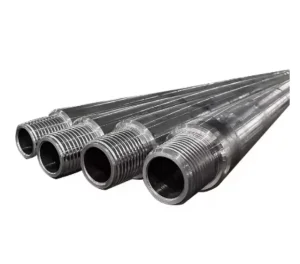
Our spiral and non-magnetic drill collars are built to API 7-1 specifications, providing weight to the drill bit while keeping the string in tension. In directional drilling, the non-magnetic design helps prevent interference with measurement-while-drilling (MWD) tools, ensuring accurate steering and positioning.
Expert technical answers to common questions about drilling physics, downhole operations, and tooling procurement.
Explore our anchoring systems, high-speed drill bits, and specialized mining accessories designed for deep exploration.
 Savvy Tools