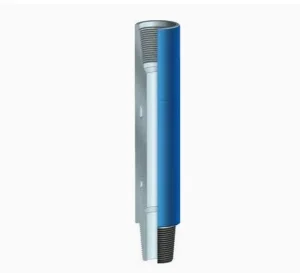
Industrial-grade components optimized for heavy machinery chassis, exploratory excavation, and deep aquifer installations.

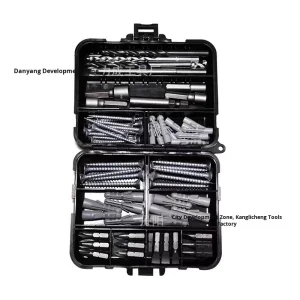
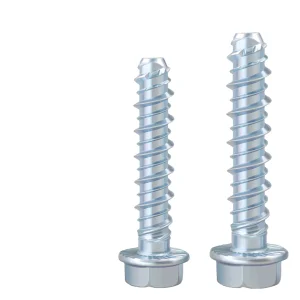
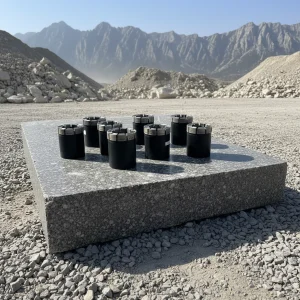
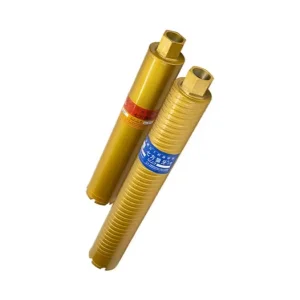
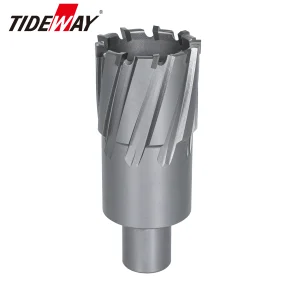
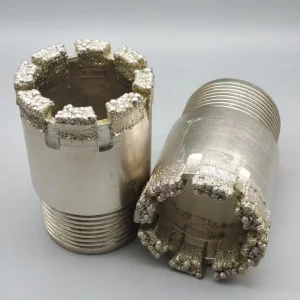
As groundwater exploration shifts toward deeper aquifers and more challenging geological strata, the requirements placed on drilling equipment have grown exponentially. Today's global market demand is driven not only by standard municipal water supply development but also by structural infrastructure preservation, industrial geothermal energy tapping, and mining pre-drainage requirements. Selecting high-integrity tools is no longer simply a purchasing decision; it is a critical strategy to mitigate subsurface operational risks.
Modern engineering relies heavily on advanced material science to minimize Down-The-Hole (DTH) tool fatigue. Whether navigating soft alluvial soils, abrasive sandstone, or hard crystalline igneous rocks like gneiss and basalt, operators require cutting tools that maintain dimensional stability, structural rigidity, and optimal cutting efficiency over hundreds of hours of continuous drilling.
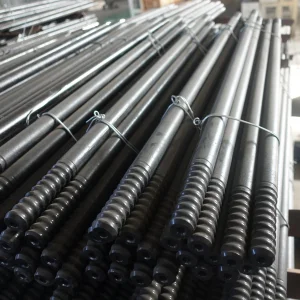
In highly urbanized zones, deep well drilling works in tandem with slope stability programs, soil anchor placements, and structural foundation pinning. Water well drilling components, specifically self-drilling anchor (SDA) systems and high-tensile casing pipes, act as the backbone for retaining walls and slope reinforcements. Engineers face the dual task of securing stable water channels while ensuring that drilling procedures do not induce ground displacement or collapse adjacent formations. This requires drilling rigs built on rugged, vibration-damped chassis alongside precision-machined drill collars that maintain perfect concentricity and vertical alignment.
Located in the heart of Shandong Province, China, Shandong Savvy Tools Co., Ltd. is a leading industrial authority specializing in the research, development, and advanced manufacturing of high-performance drilling tools and mining equipment. Our engineering focus spans several key domains, including polycrystalline diamond compact (PDC) technology, tricone roller cone bits, heavy-duty DTH hammers, core drilling setups, self-drilling rock anchors, and high-spec tubular steel goods.
Our commitment to Quality, Innovation, and Customer Success is demonstrated by our comprehensive raw material tracking, multi-stage thermomechanical heat treatments, and precision CNC grinding workflows. To deliver maximum economic value, Shandong Savvy Tools Co., Ltd. combines its proprietary manufacturing lines with strategic alliances among China’s top-tier metalworking and forging facilities. This combined approach allows us to deliver fully customized drilling packages tailored to specific geomorphological and atmospheric challenges faced by our clients across the Americas, Europe, Africa, the Middle East, and the Asia-Pacific region.
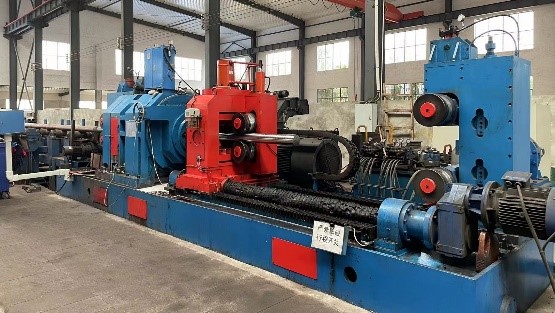
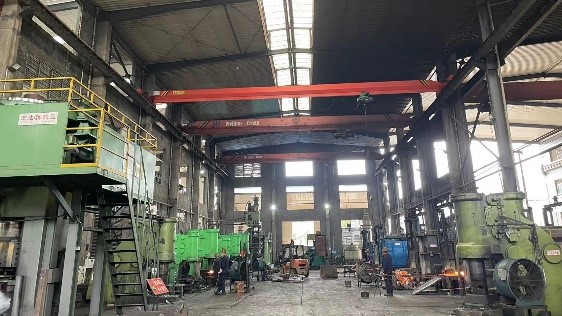
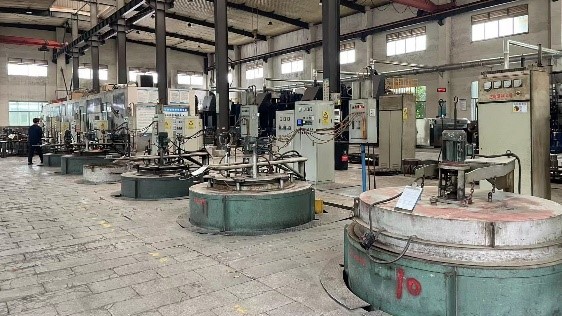
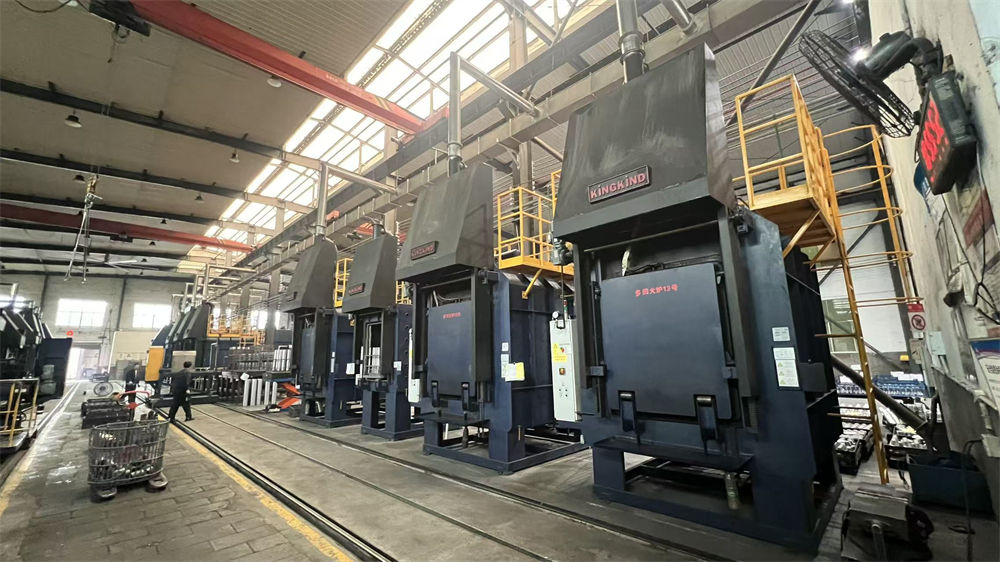
A visual look at the metallurgical controls and machining processes that guarantee the extreme field durability of Savvy Tools.
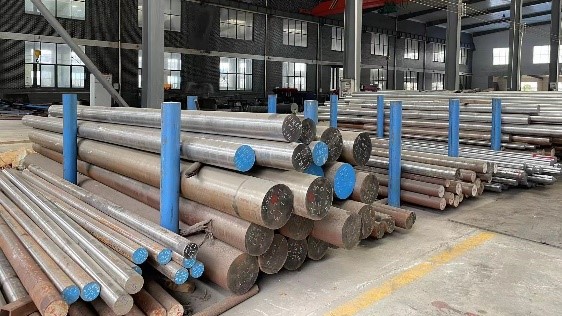
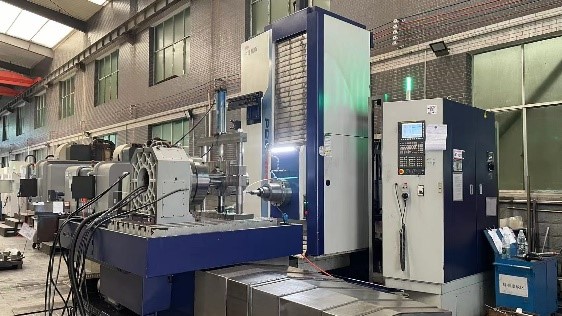
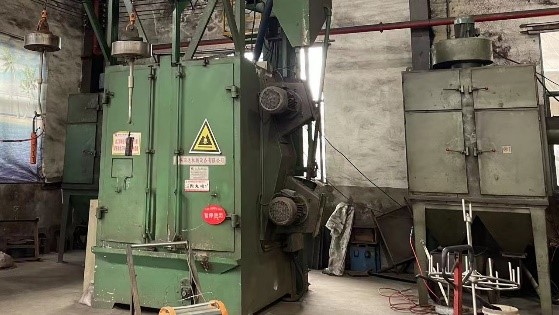
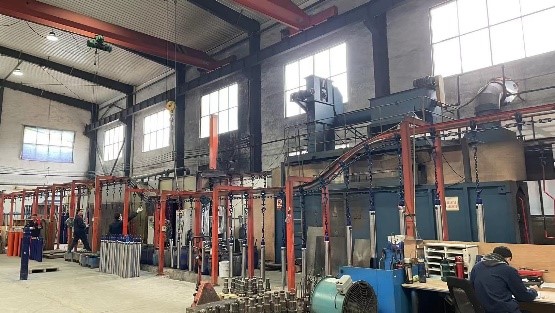
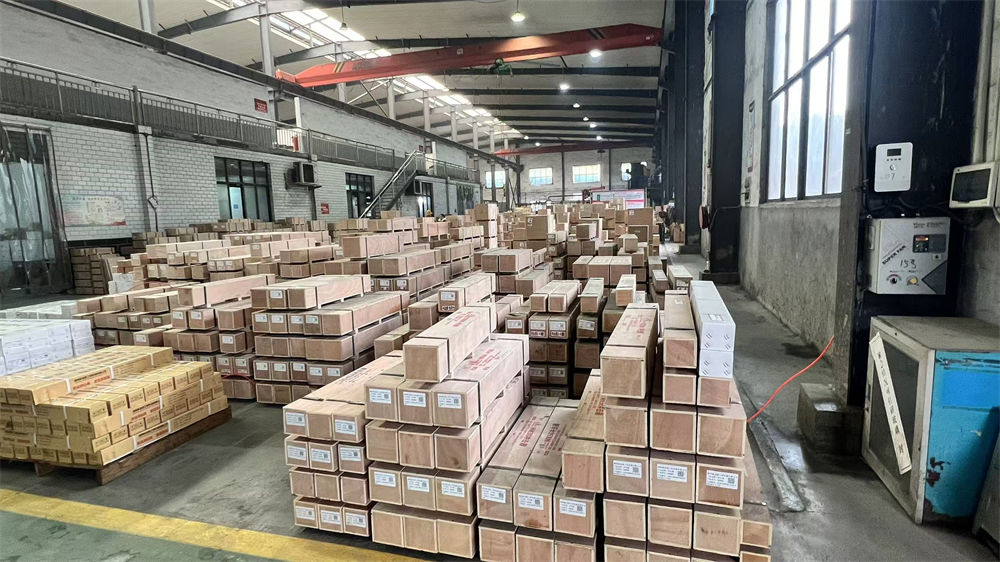
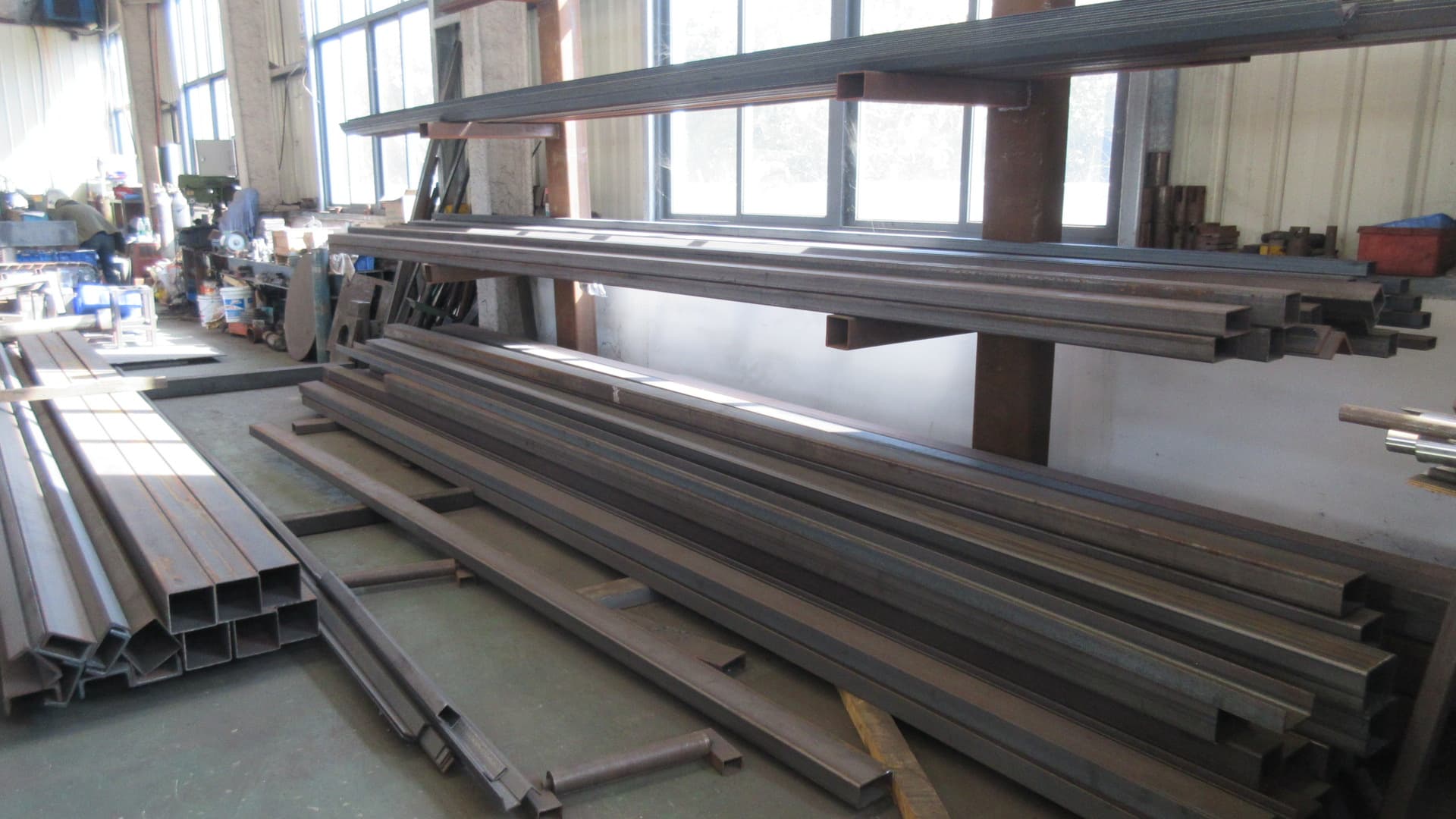
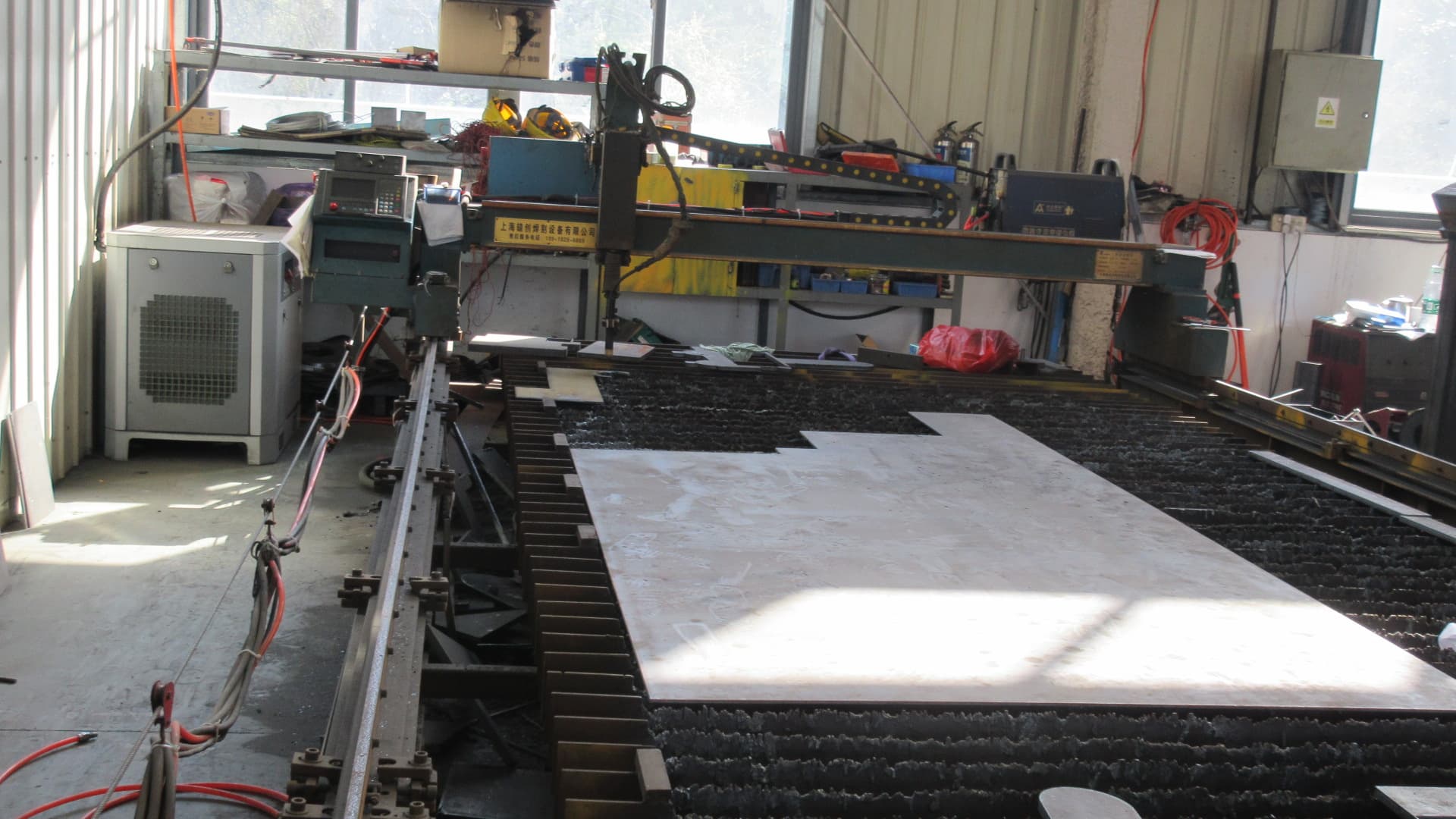
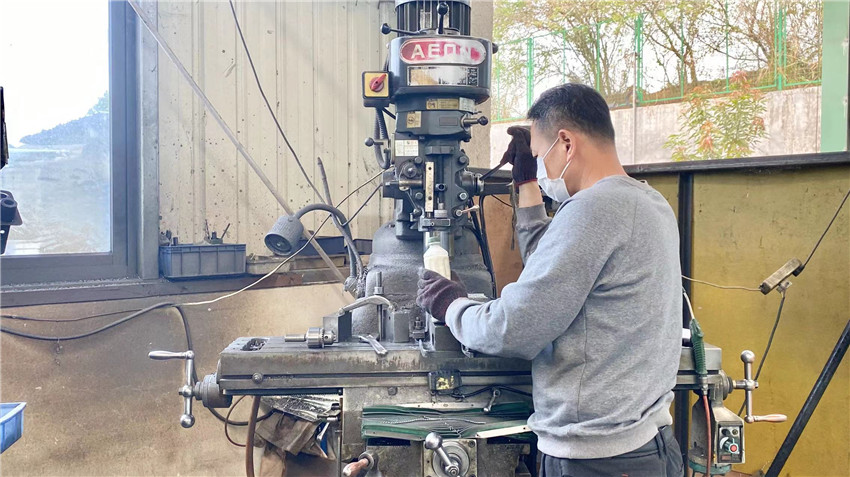
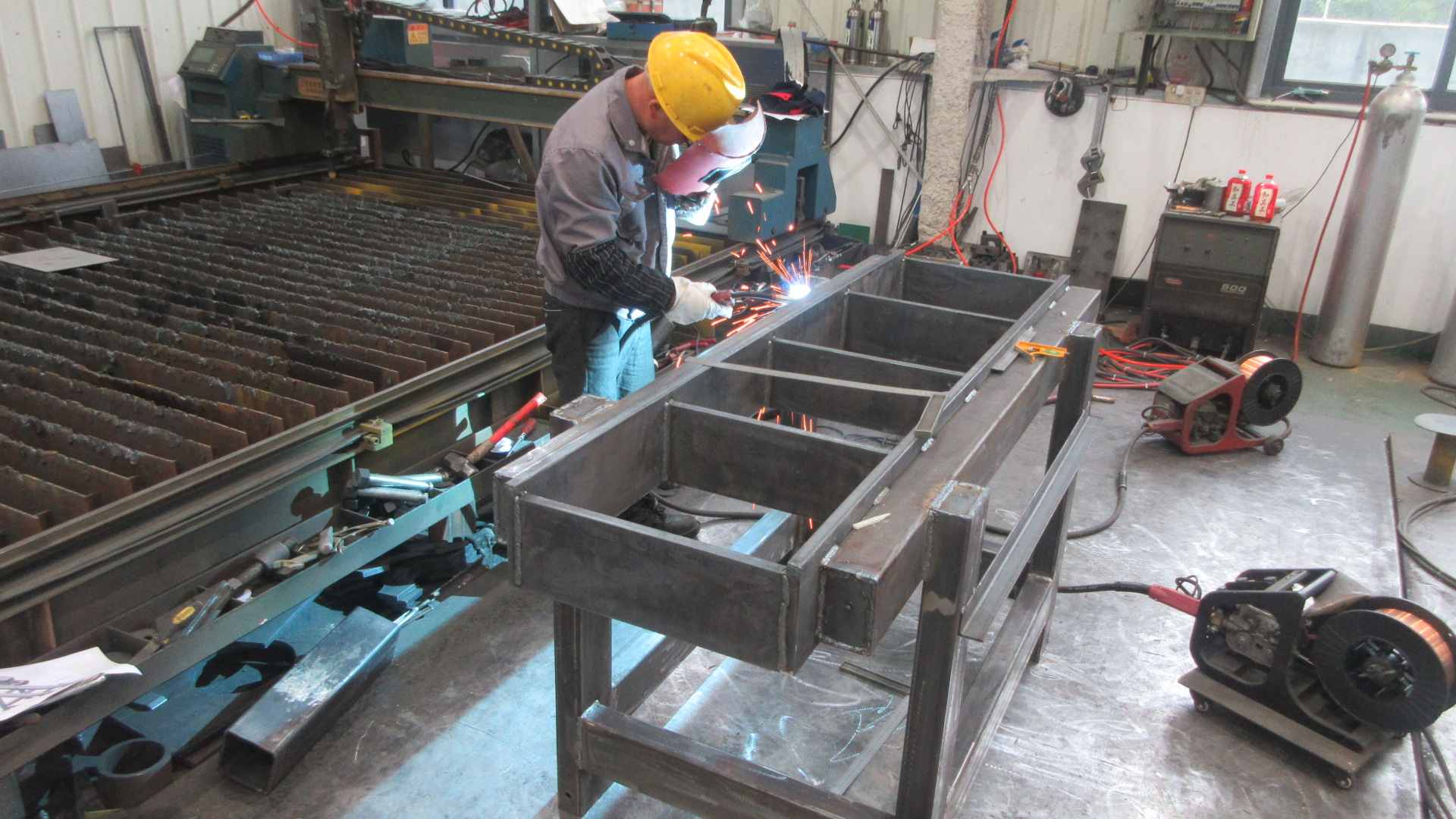
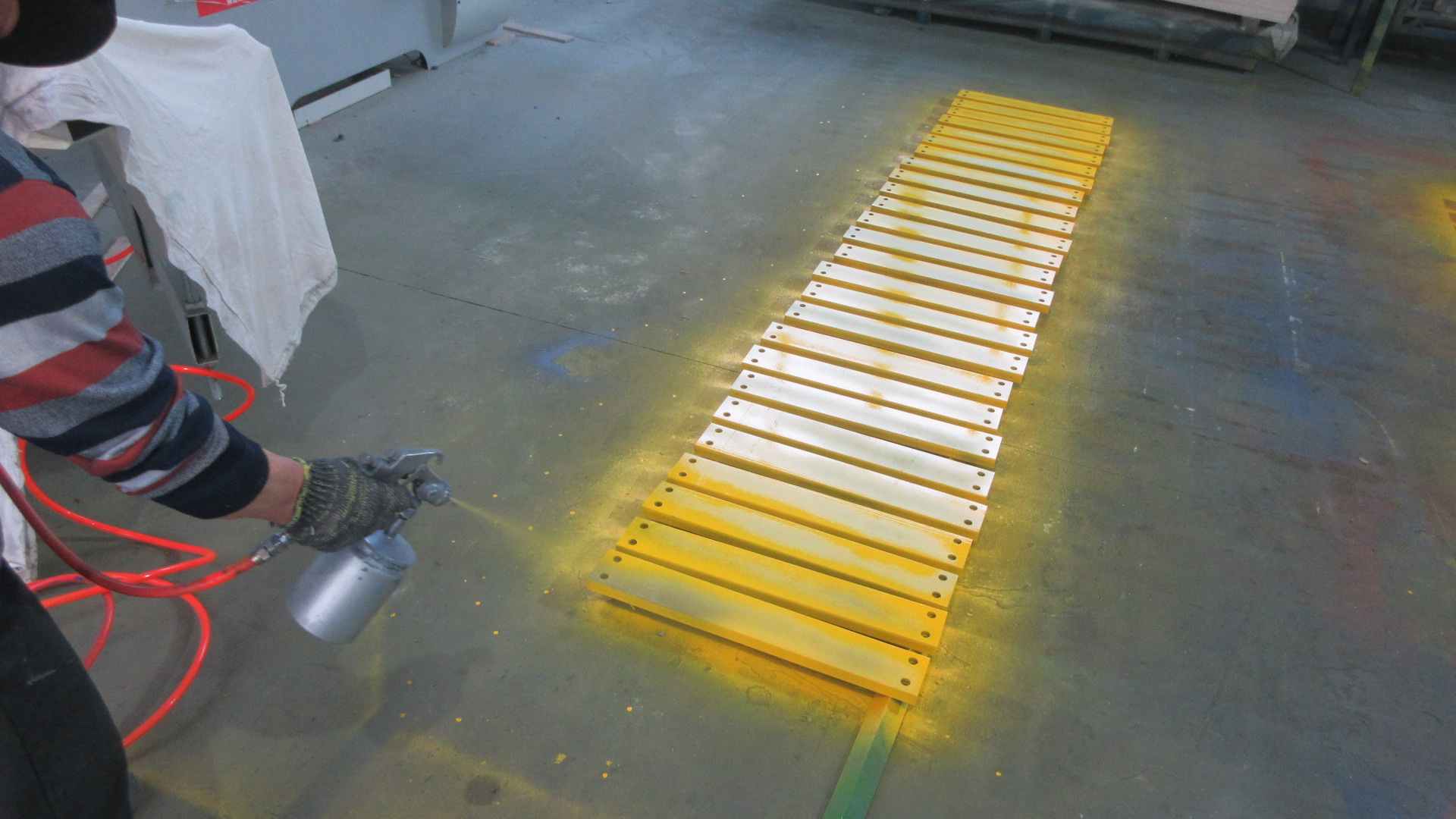
When selecting drilling tools for deep-hole projects, engineers evaluate a range of mechanical properties to prevent Down-The-Hole failure. The primary factors include torsional strength, impact resistance, and flushing efficiency. Our design roadmap is structured to optimize these critical parameters:
Utilizing high-grade structural alloys like AISI 4145H modified steel, combined with M35 Cobalt formulations. This ensures that cutting edges maintain structural integrity under extreme friction and high temperatures.
Using finite element analysis (FEA) to redesign thread transitions and core thickness on drill collars, reducing high-frequency stress concentrations and preventing down-hole tool separation.
Designing optimized internal fluid channels and chip-evacuation flutes to ensure maximum clearance of rock cuttings, minimizing secondary grinding and lowering fuel consumption on the surface rig.
Selecting the optimal tool configuration requires analyzing several critical performance variables:
Groundwater exploration is subject to strict environmental regulations designed to prevent cross-contamination of aquifers and minimize surface footprint damage. Drill collars, casing pipes, and self-drilling anchors must comply with local regulatory frameworks, including API (American Petroleum Institute) and ISO standards. High-strength casings with tight-fitting joints are essential for isolating groundwater zones from potential surface contaminants.
Furthermore, in geologically sensitive regions, drilling operators must prevent the migration of hydrocarbons or mineralized water between geological strata. Using premium API 5CT and API 5L casing pipes prevents pipe failures under deep hydrostatic pressures, protecting both local water resources and the longevity of the well installation.
We recognize that down-hole issues can impact project timelines and lead to costly downtime. Shandong Savvy Tools Co., Ltd. maintains a global distribution and technical support framework to address these challenges. Our engineers assist clients throughout the tool selection process, analyzing lithological profiles and mud programs to recommend the best bit designs, shank types, and drill rod configurations. This dedicated support ensures that operators achieve optimal penetration rates while minimizing tooling costs per foot.
Our tools are engineered to perform across diverse geological settings, ensuring reliable operation in any ground conditions.
Installing high-strength API-spec casing pipes and DTH hammers to reach deep groundwater reserves beneath thick, abrasive rock strata.
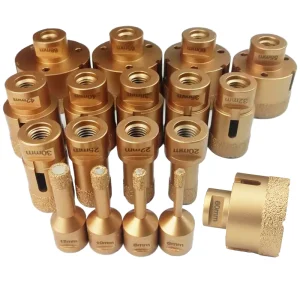
Leveraging high-temperature resistant vacuum-brazed diamond core bits and robust drill rods to tap clean geothermal energy reserves.
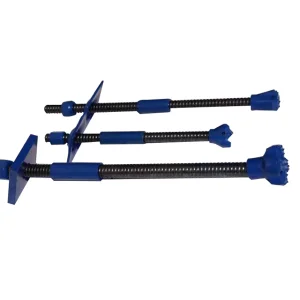
Utilizing high-tensile Self-Drilling Anchor (SDA) rock bolts to stabilize soil formations and secure foundation structures during heavy civil construction.
Answers to common questions regarding down-the-hole drilling dynamics, tool selection, and product maintenance.
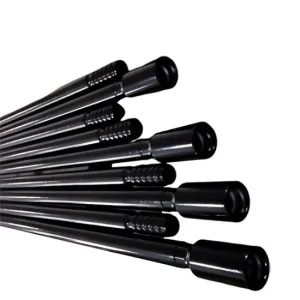
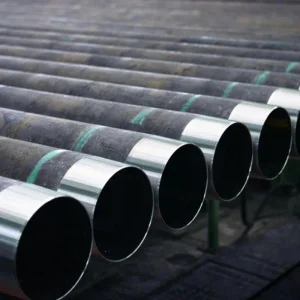
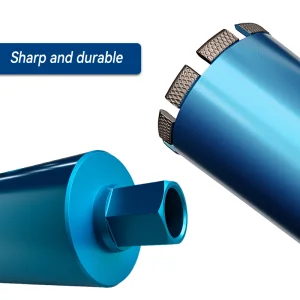
High-grade drill collars, structural casings, anchors, and safety tools for deep excavation projects.
 Savvy Tools