Logging while drilling (LWD or Measurement while drilling (MWD), the terms are used interchangeably) is a general term to describe systems and techniques for gathering down-hole data while drilling without the requirement to remove drill pipe from the well. LWD offers similar functionality as wireline logging with differences in data quality, resolution, and/or coverage.
LWD tools are basically large, instrumented drill collars. In general, the practice is to put the “most important” tools closest to the bit. LWD tools can go anywhere that the bit can go, so they tend to be significantly more effective in extended-reach-lateral horizontal wells. They send their data to the surface using either pulses into the mud or signals superimposed on the drill pipe. Because the environment on the rig floor is so noisy, two-way communication is not possible and communication from the tool to the surface is very slow (1–2 bits of information/second).
🛡️LWD Shell Protection
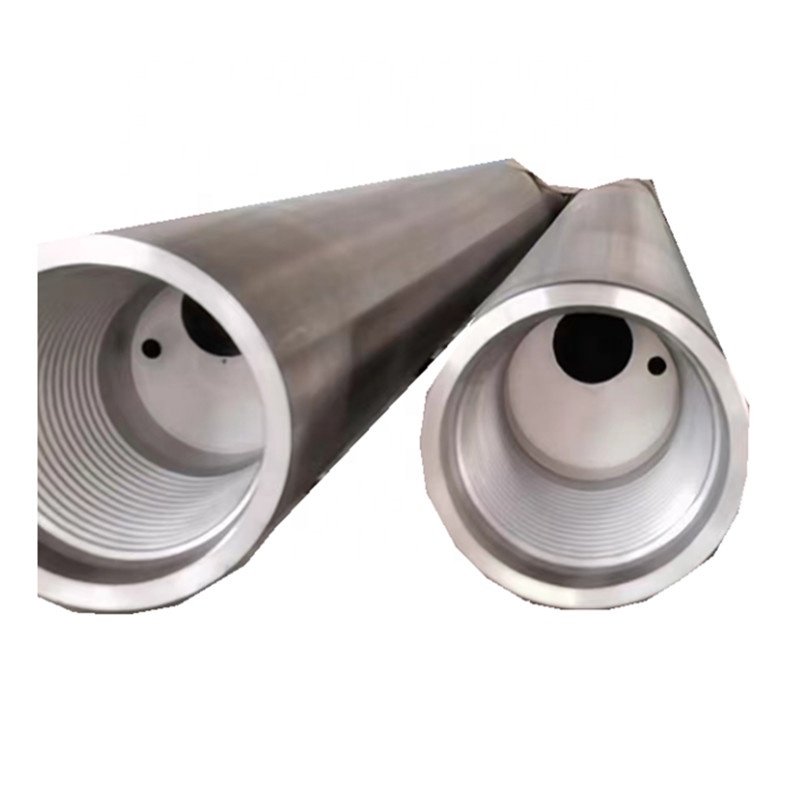
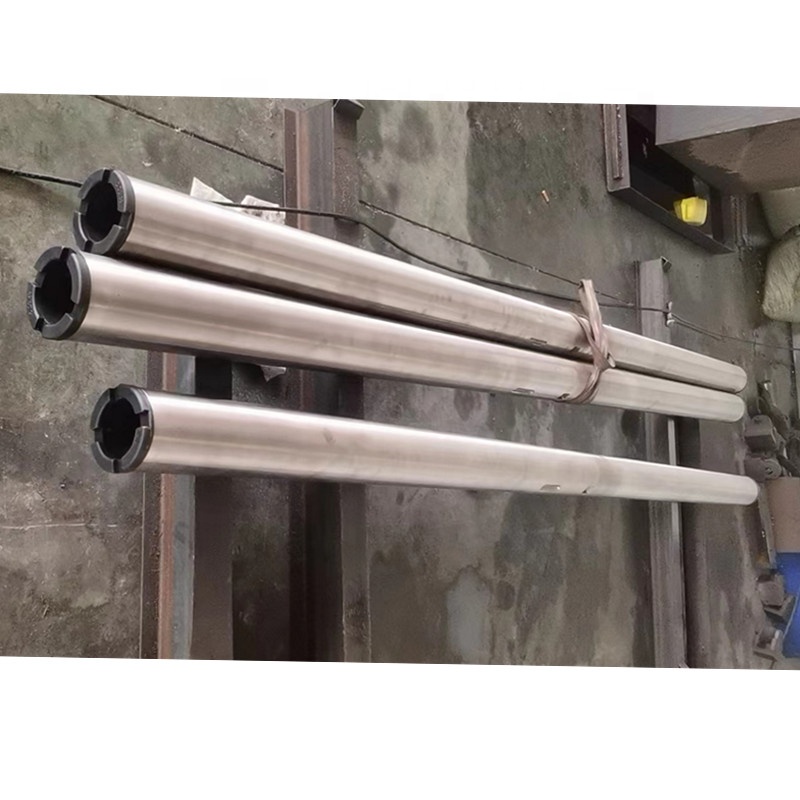
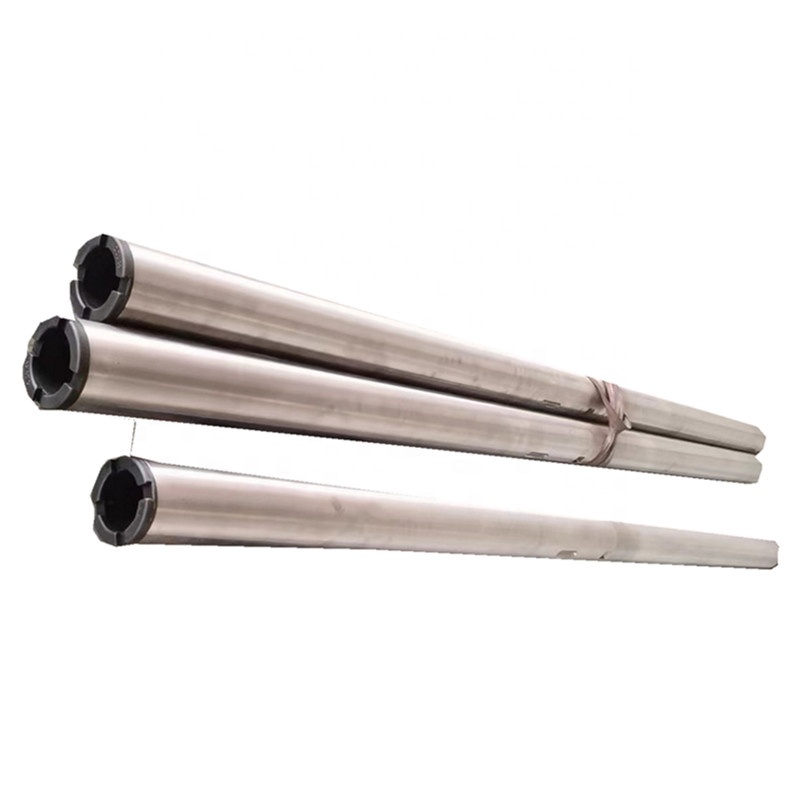
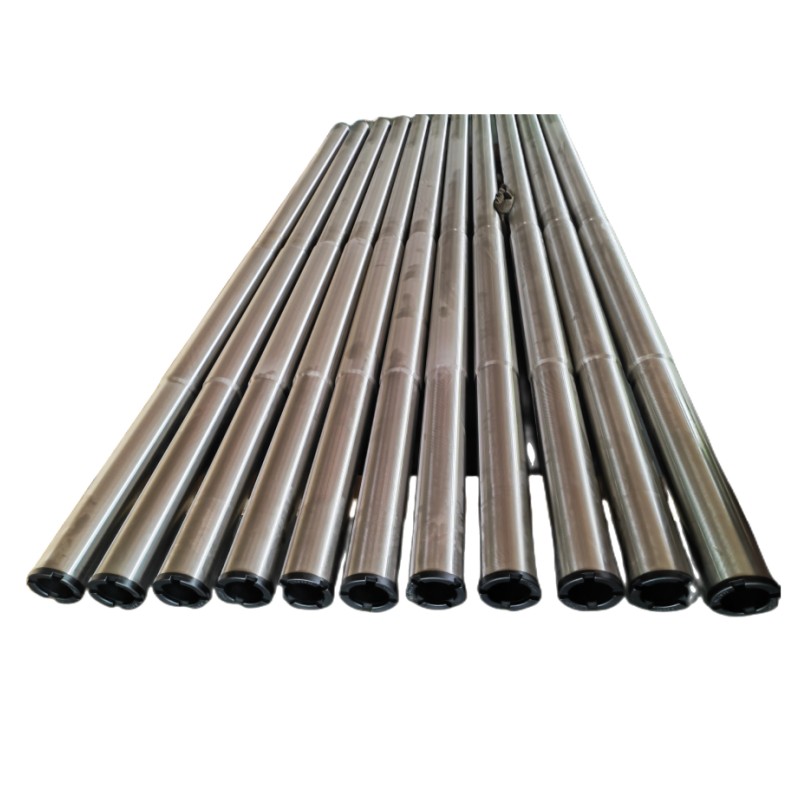
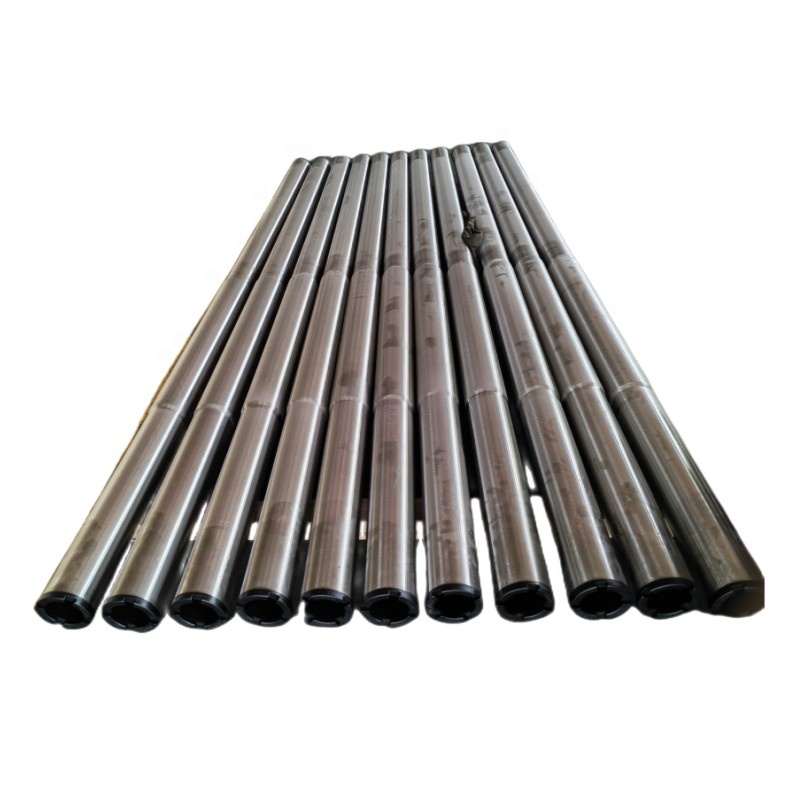
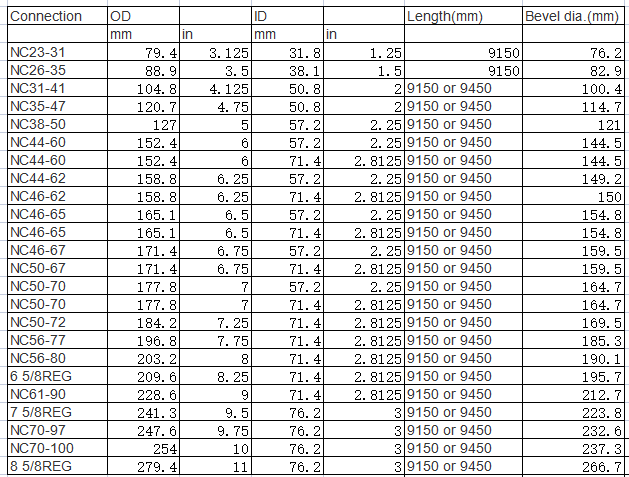
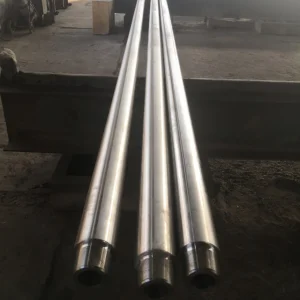
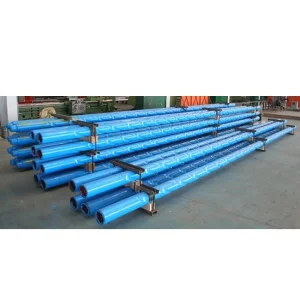
LWD shell is the outer shell of the drill collar while drilling, which plays a protective role. It has the characteristics of being removable and easy to install. LWD shell is customer ordered product and will be manufactured according to client given drawing.
Logging while drilling means that a logging while drilling tool is connected to a drilling tool to perform testing while drilling. The main components of the LWD tool include the drill collar housing, the circuit frame and the runner adapter. The shell of the drill collar mainly protects the internal instruments.
📸Borehole Imaging Technology
A LWD tool is disclosed for providing an image of the borehole during drilling or during removal of the tool from the borehole. The tool includes imaging transducers which are fired based upon either time or direction. Borehole reflections are processed to determine time-of-flight to give an indication of standoff with respect to each transducer from which the borehole geometry can be obtained.
The reflections also are analyzed for other information, such as the amplitude of the reflected signal. The time-of-flight and amplitude values are encoded and stored in memory for retrieval later. In addition to the imaging transducers, the imaging assembly also includes depth transducers to obtain a micro measurement of depth downhole. The micro-depth measurements are stored and/or transmitted to the surface.
⚙️Near Bit Drill Collar Classifications
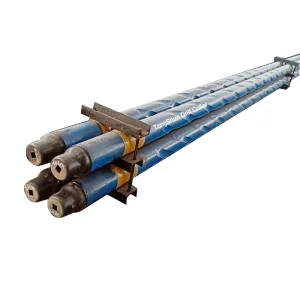
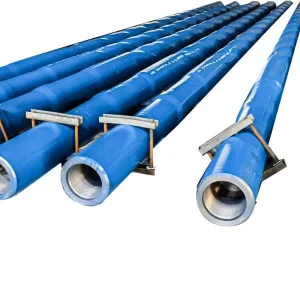
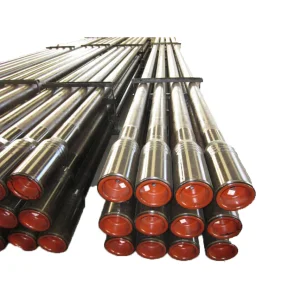
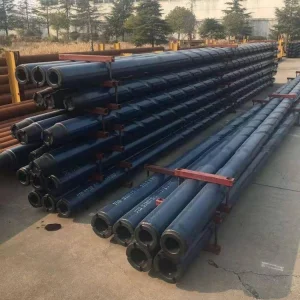
The drill collar is one of the important components of the drill string. Its function is to provide the drill bit with a bit pressure and at the same time make the lower drill tool assembly have greater rigidity, so that the drill bit is stable and helps to overcome the well inclination problem.
1. Ordinary Drill Collars
Generally made of 4145H steel. The cross-section of the tube body is round inside and outside.
2. Spiral Type Drill Collars
Made of ordinary alloy steel with spiral grooves on the outer surface. These can effectively reduce the occurrence of sticking.
3. Non-Magnetic Drill Collars
Made of non-magnetic stainless steel (such as P550) with very low magnetic permeability. They pose unique corrosion resistance requirements and are generally not painted.
💎Key Features & Advantages
- Anti-deviation: Eccentric-weight drill collars are effective tools to reduce oblique or straighten the well hole.
- Simple Structure: Convenient use, connected directly to common drill collars without centralizers.
- Safety: Runs downhole safely with reduced danger of leakage or bit freezing.
- Weight Support: Provides necessary bit pressure to break rock and achieve drilling efficiency.
- Rigidity: Prevents the lower drill string from bending during drilling to avoid well inclination.
❓Frequently Asked Questions
Q1: What is the main function of an LWD shell?
A: The LWD shell serves as the outer protective housing for the drill collar, safeguarding sensitive internal instruments from the harsh downhole environment during drilling.
Q2: How is LWD data transmitted to the surface?
A: Data is transmitted using mud pulses or signals superimposed on the drill pipe. Due to the noisy environment, communication is typically one-way and operates at a speed of 1–2 bits per second.
Q3: Why are non-magnetic drill collars used?
A: They are made of specialized stainless steel like P550 with very low magnetic permeability, which is essential for certain types of electronic logging and protecting sensitive directional sensors from magnetic interference.
Q4: What is the benefit of spiral drill collars compared to ordinary ones?
A: Spiral drill collars feature grooves on the outer surface that help reduce the contact area with the borehole wall, effectively minimizing the risk of differential pressure sticking.
Q5: Can LWD shells be customized?
A: Yes, LWD shells are customer-ordered products and can be manufactured precisely according to the specific technical drawings and requirements provided by the client.
Q6: What materials are typically used for ordinary drill collars?
A: Ordinary drill collars are generally manufactured from high-strength 4145H alloy steel to provide the necessary weight and durability for drilling operations.
 Savvy Tools