?
Frequently Asked Questions
What is the primary function of a drill collar?
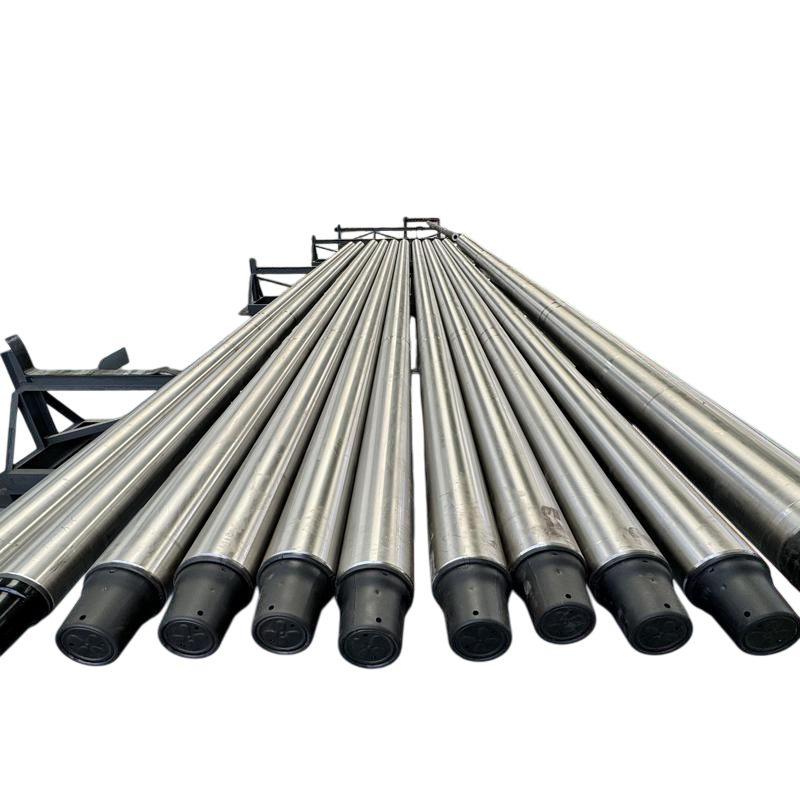
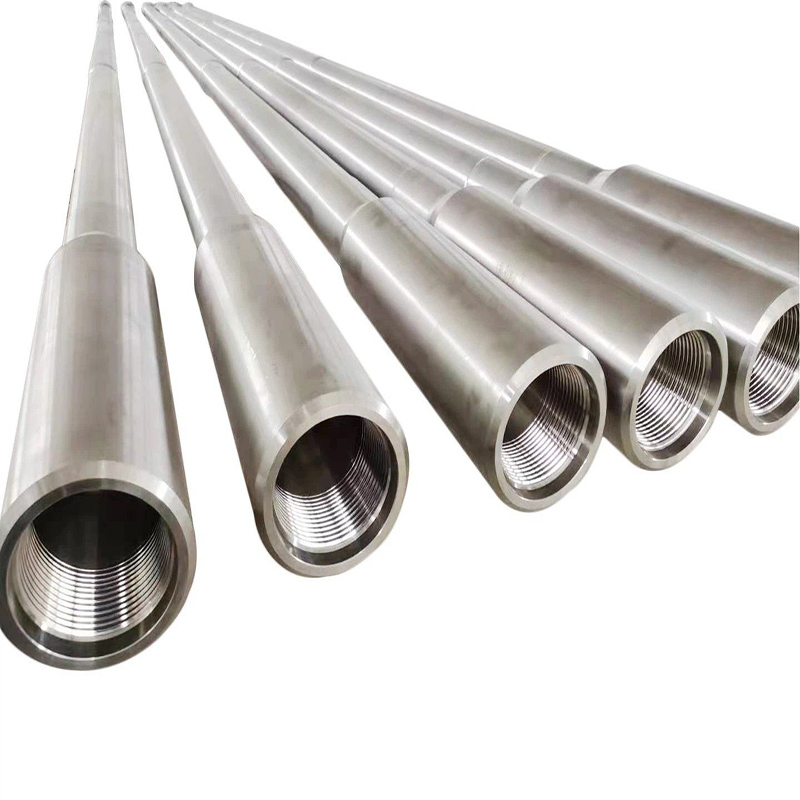
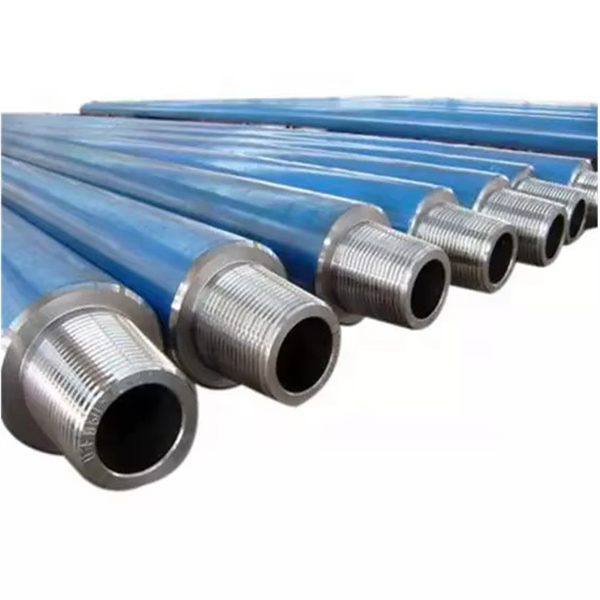
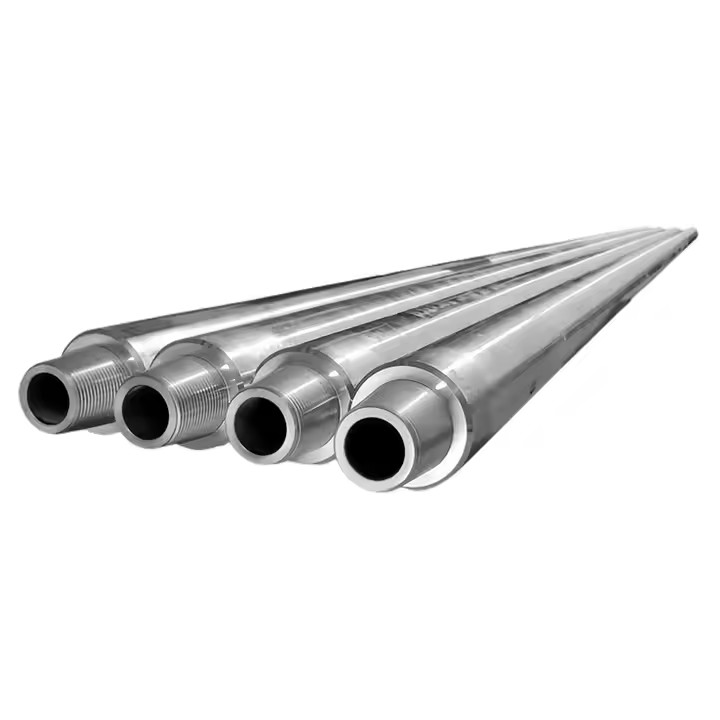
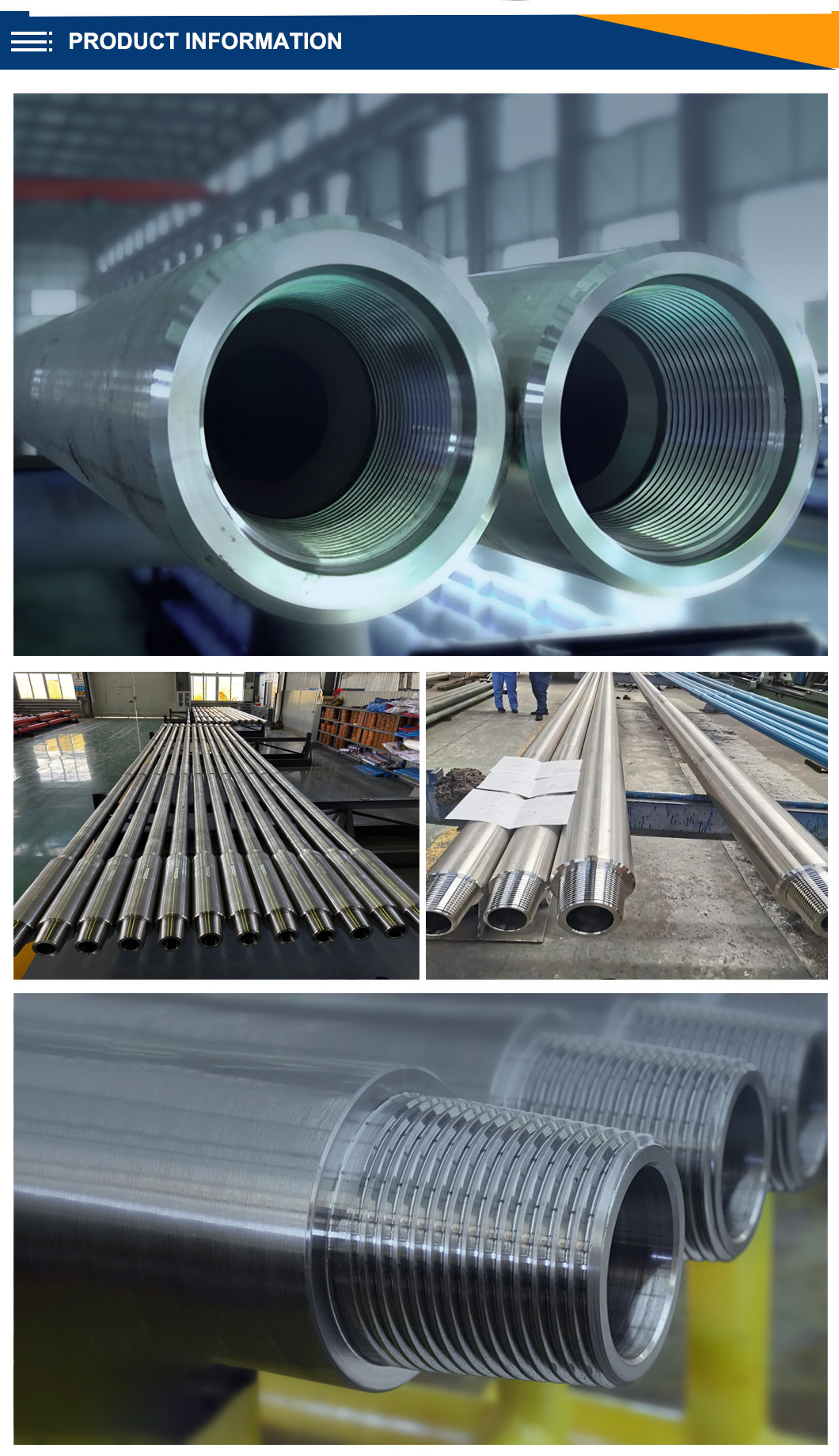
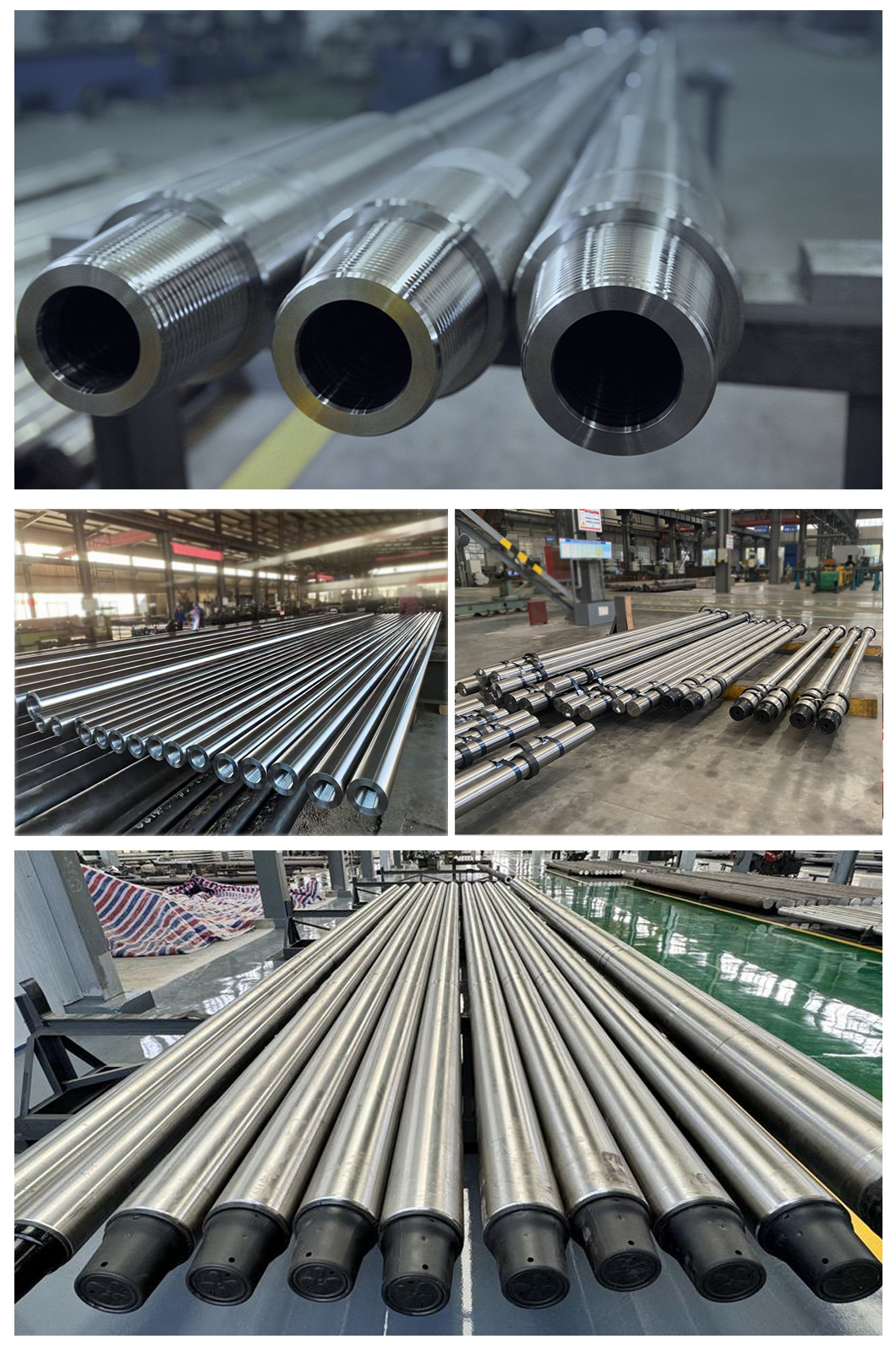
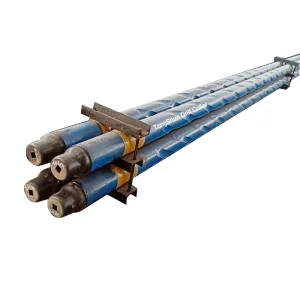
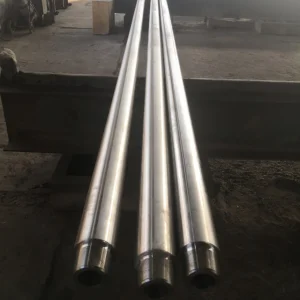
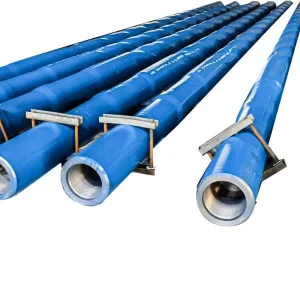
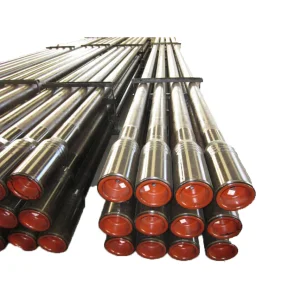
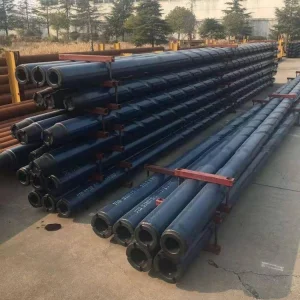
A drill collar is a solid, thick-walled steel pipe used in the lower part of the drill string to provide weight on bit (WOB) and stabilize the borehole to ensure a stable wellbore trajectory.
How does a drill collar differ from a standard drill pipe?
While drill pipe is a hollow, thin-walled tube used for transmitting torque and fluid, the drill collar is a heavy-walled tube specifically designed to apply weight and stiffness to the drill bit.
What materials are used for manufacturing drill collars?
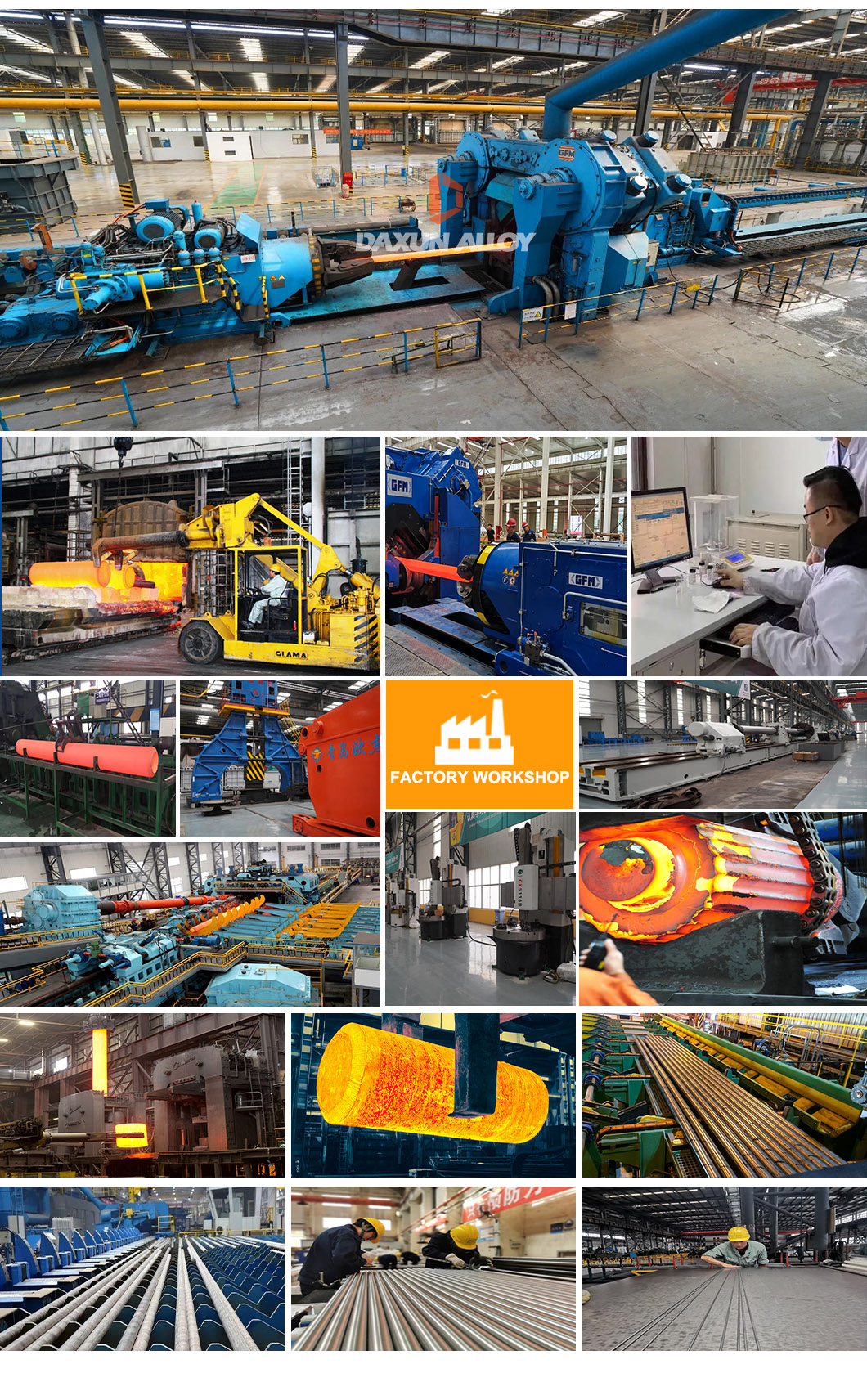
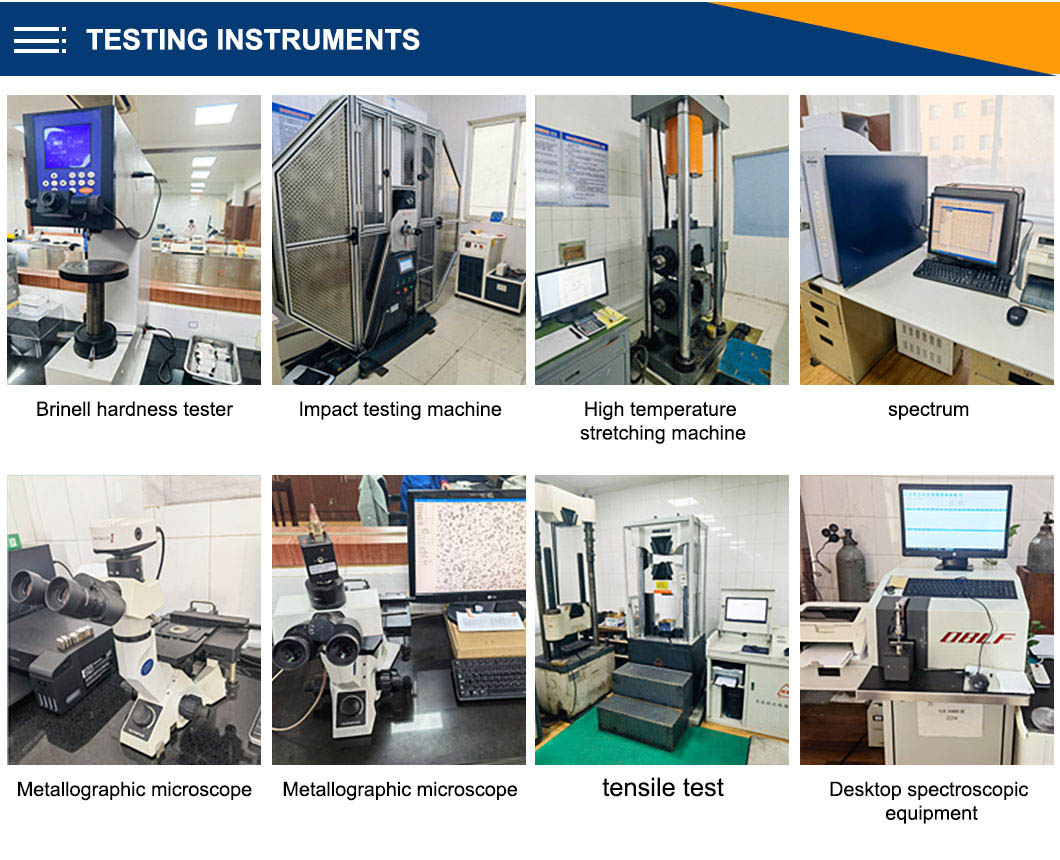
They are typically manufactured from AISI 4145H alloy steel, which undergoes quenching and tempering to achieve high strength and toughness required for harsh drilling environments.
What are the typical dimensions of these components?
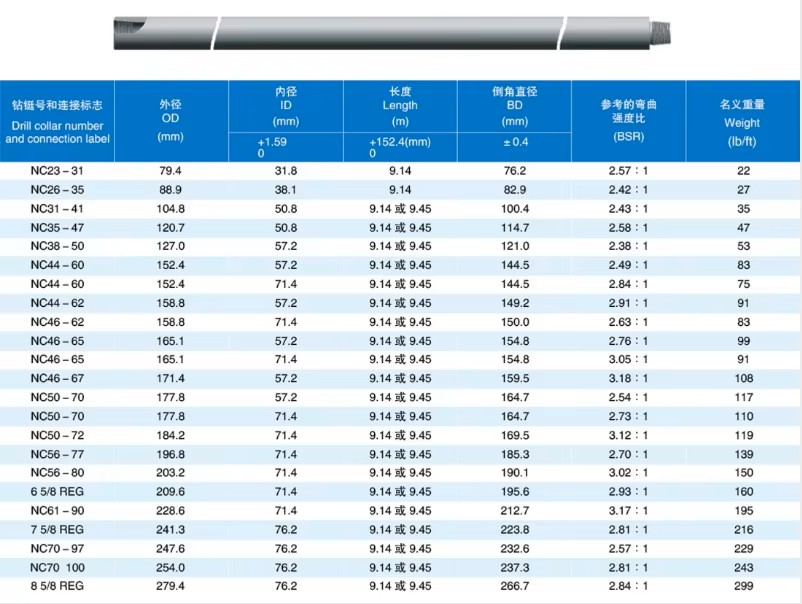
Standard drill collars are usually 9–10 meters long, with outer diameters ranging from 120 mm to 240 mm, weighing several tons each.
Why are spiral grooves used on drill collars?
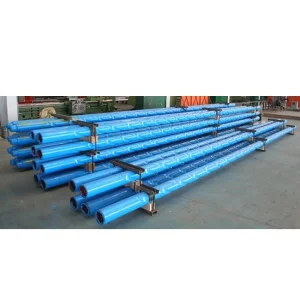
Spiral grooves are designed to reduce annular pressure loss, prevent differential sticking between the borehole wall and the collar, and improve overall hole cleaning efficiency.
Where are drill collars positioned in the drill string?
They are located in the Bottom-Hole Assembly (BHA), positioned directly above the drill bit and below the standard drill pipes.
 Savvy Tools