Savvy Tools
1 / 5
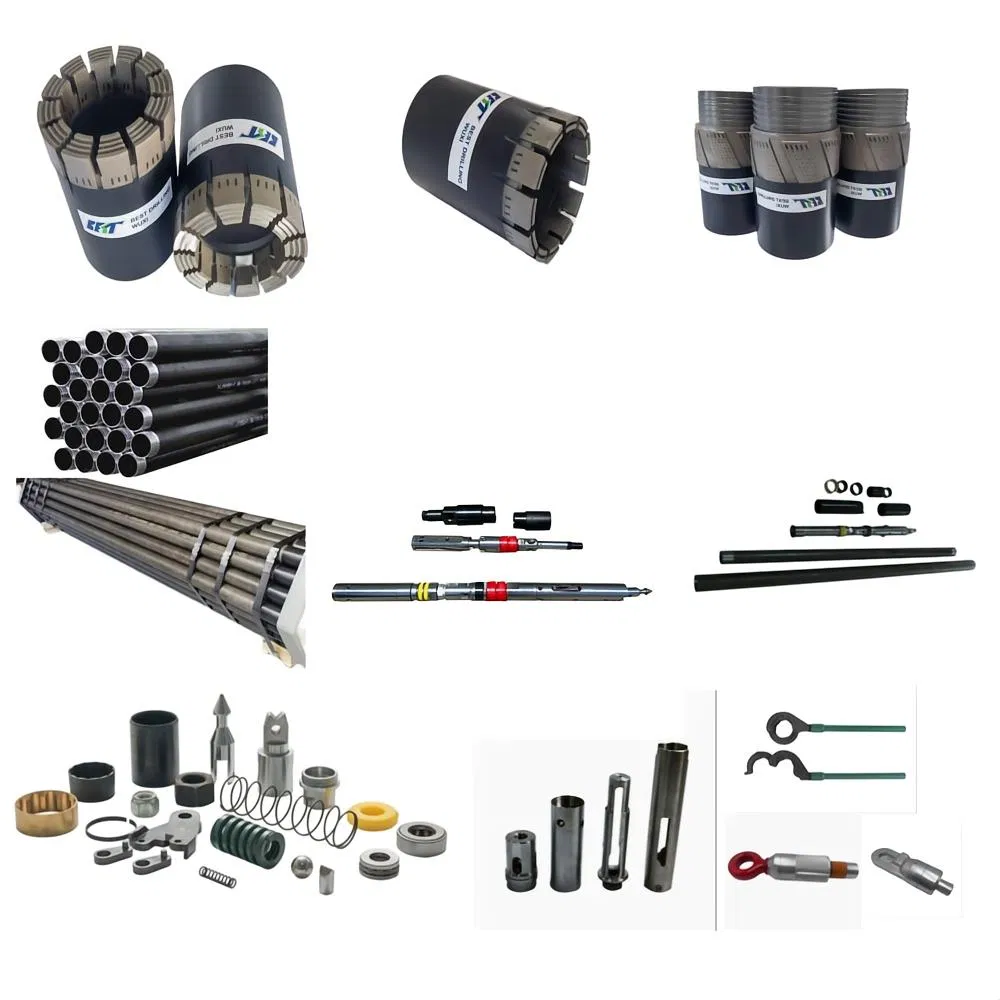
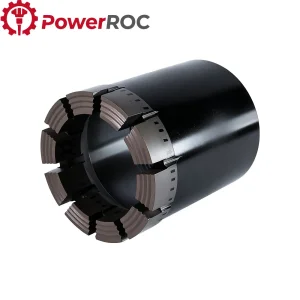
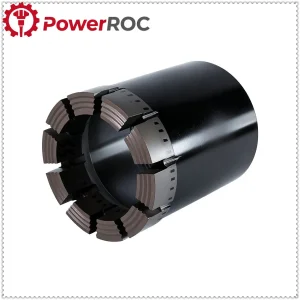
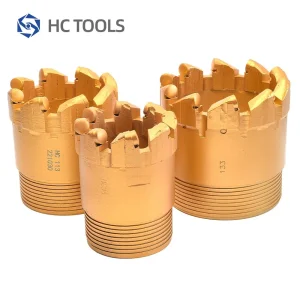
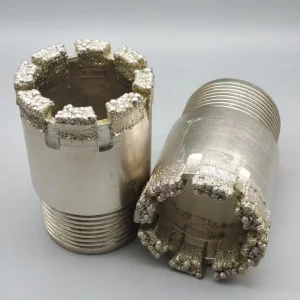
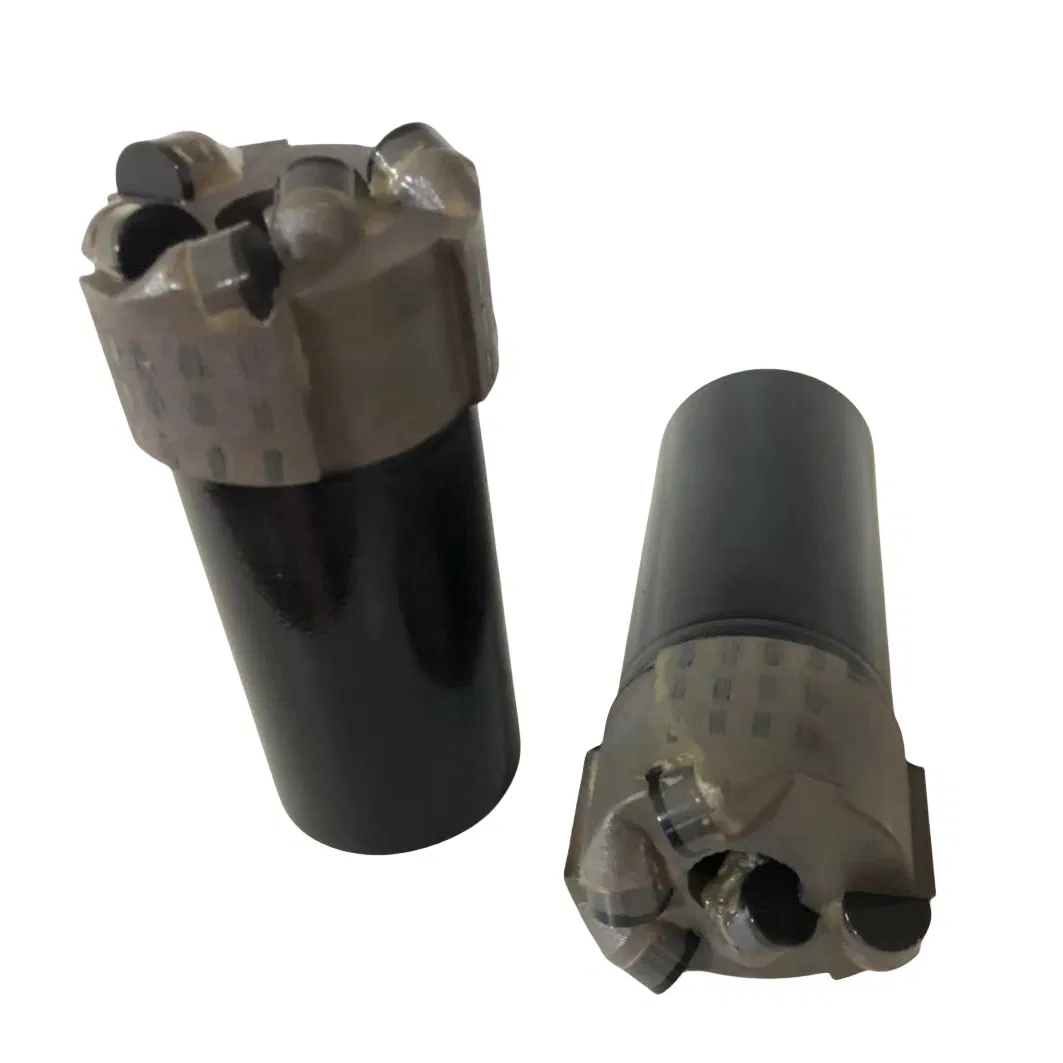
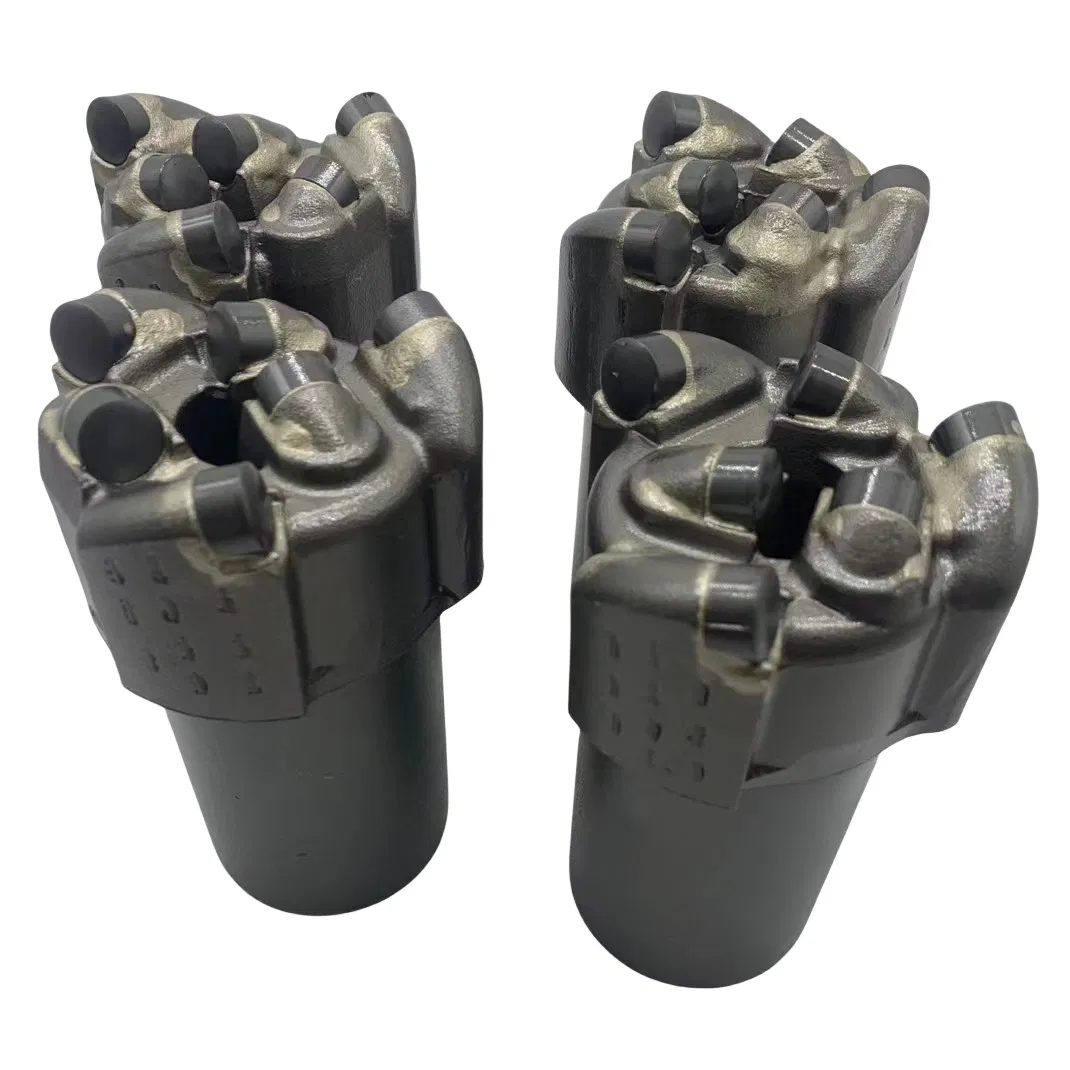
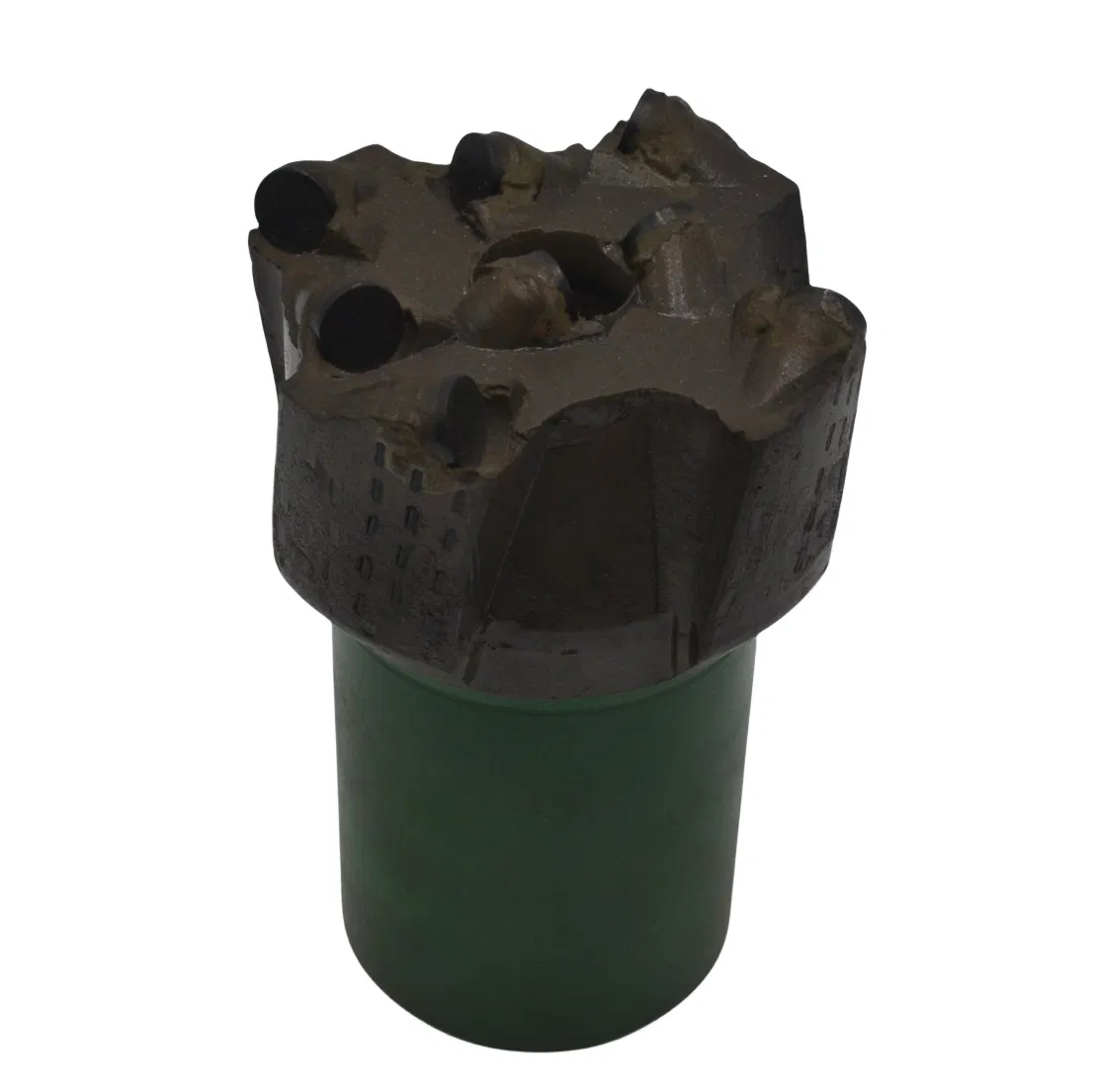
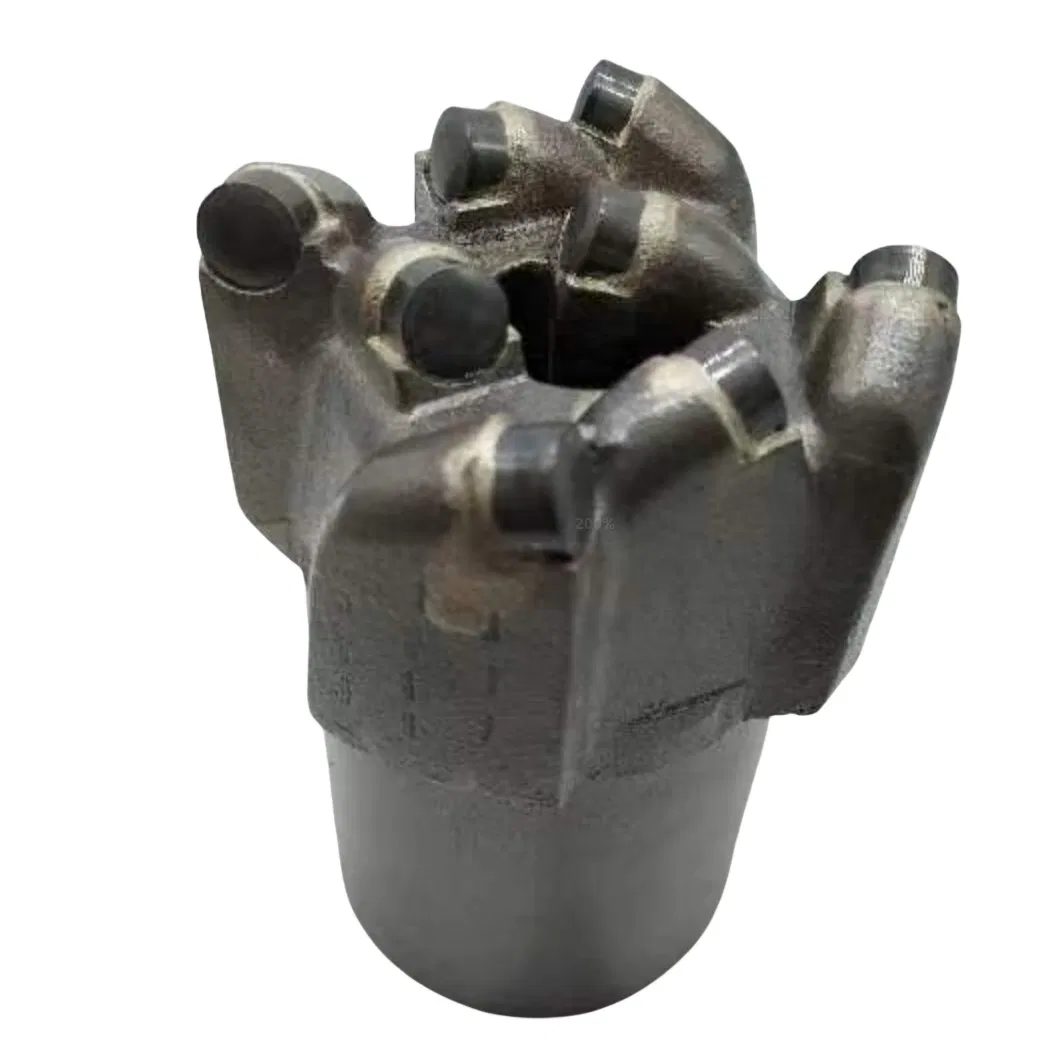
PDC drill bits have revolutionized the drilling industry by offering superior performance, durability, and versatility. Through continuous innovation and optimization, PDC bits continue to push the boundaries of drilling efficiency and provide effective solutions for a wide range of drilling applications.
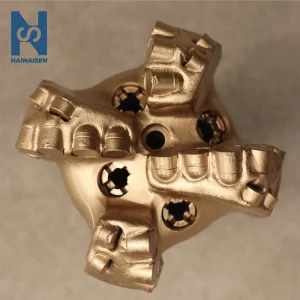
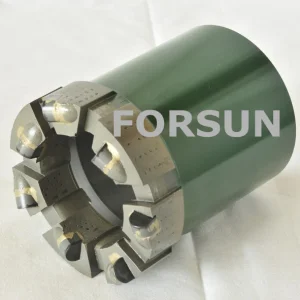
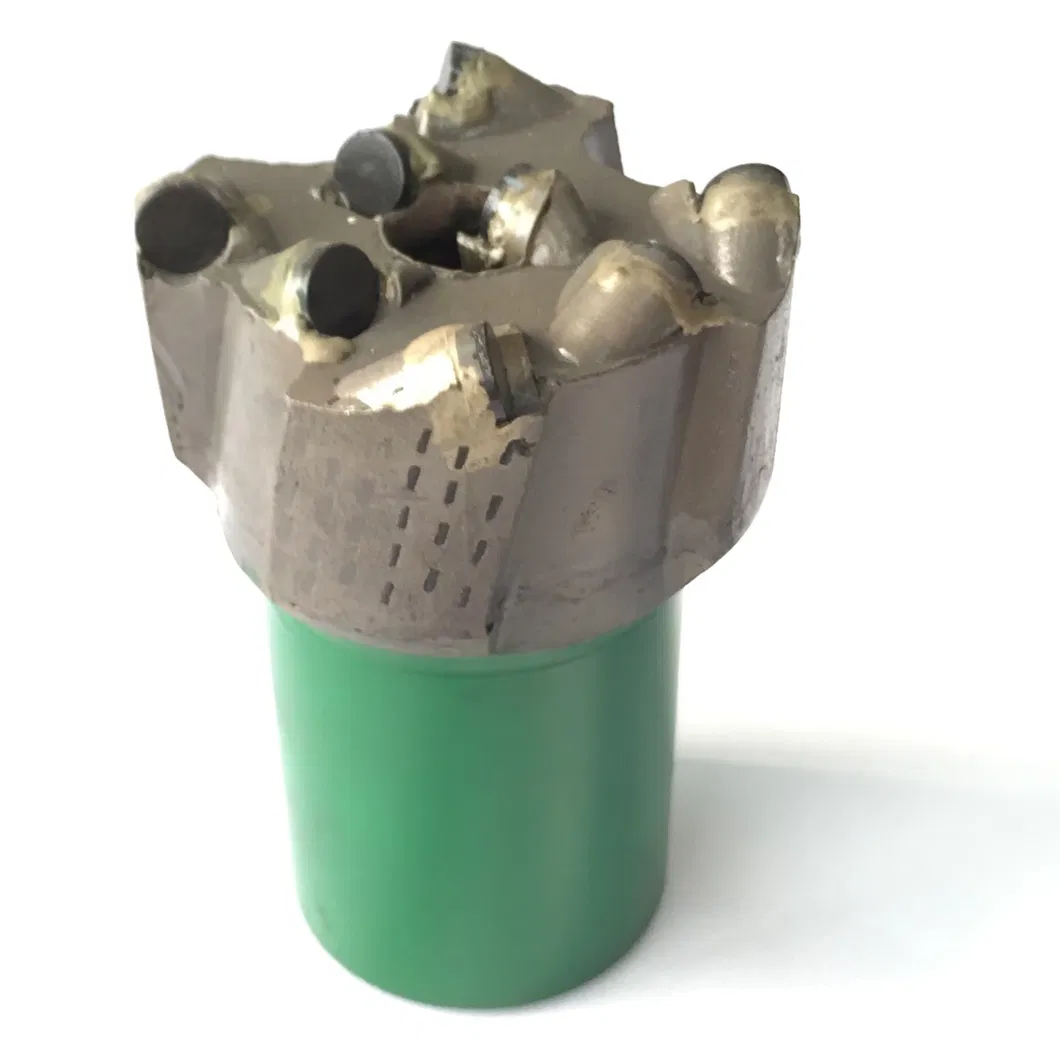
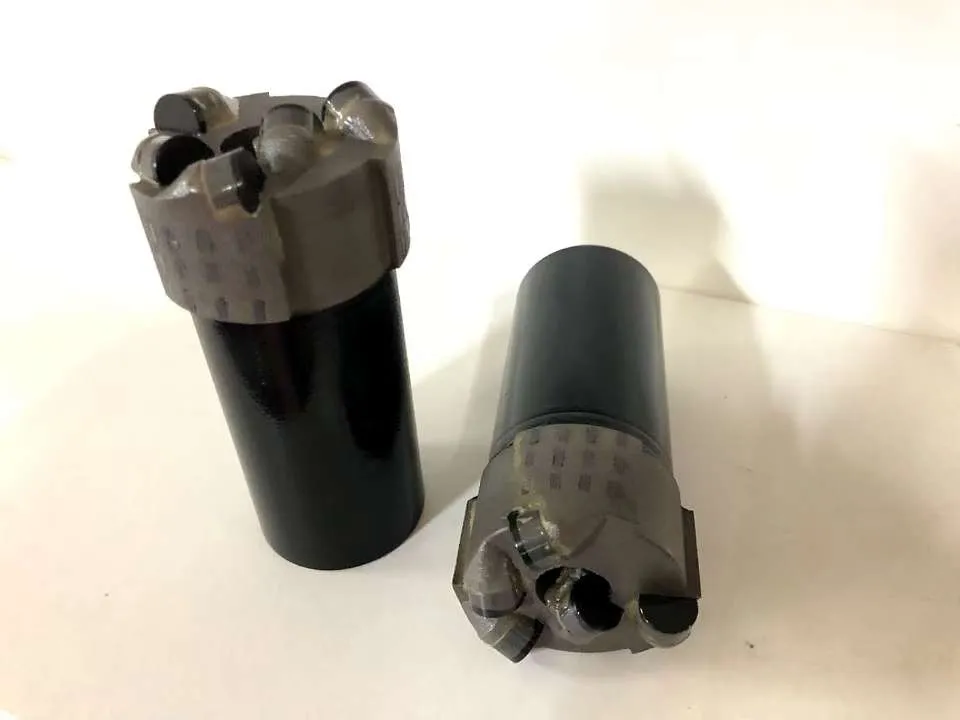
1. Cutter Configuration: PDC drill bits can feature different cutter configurations based on the drilling requirements. The cutters can be arranged in a single-row, double-row, or multiple-row pattern. The arrangement affects the cutting efficiency, stability, and the distribution of forces during drilling.
2. Cutter Size and Density: PDC drill bits come with various cutter sizes and densities. Larger cutters are typically used for more aggressive drilling while smaller cutters allow for higher cutter density and a greater number of cutting edges. The choice depends on the formation hardness and desired performance.
3. Back-up Structure: The matrix body of a PDC drill bit provides structural support to the cutters and helps distribute the cutting forces evenly. Geometries such as straight, spiral, or stepped designs enhance stability and prevent cutter dislodgement.
4. PDC Bit Applications: Widely used in oil and gas exploration, geothermal drilling, mining, and construction. They excel in demanding formations such as hard limestone, shale, sandstone, and abrasive formations.
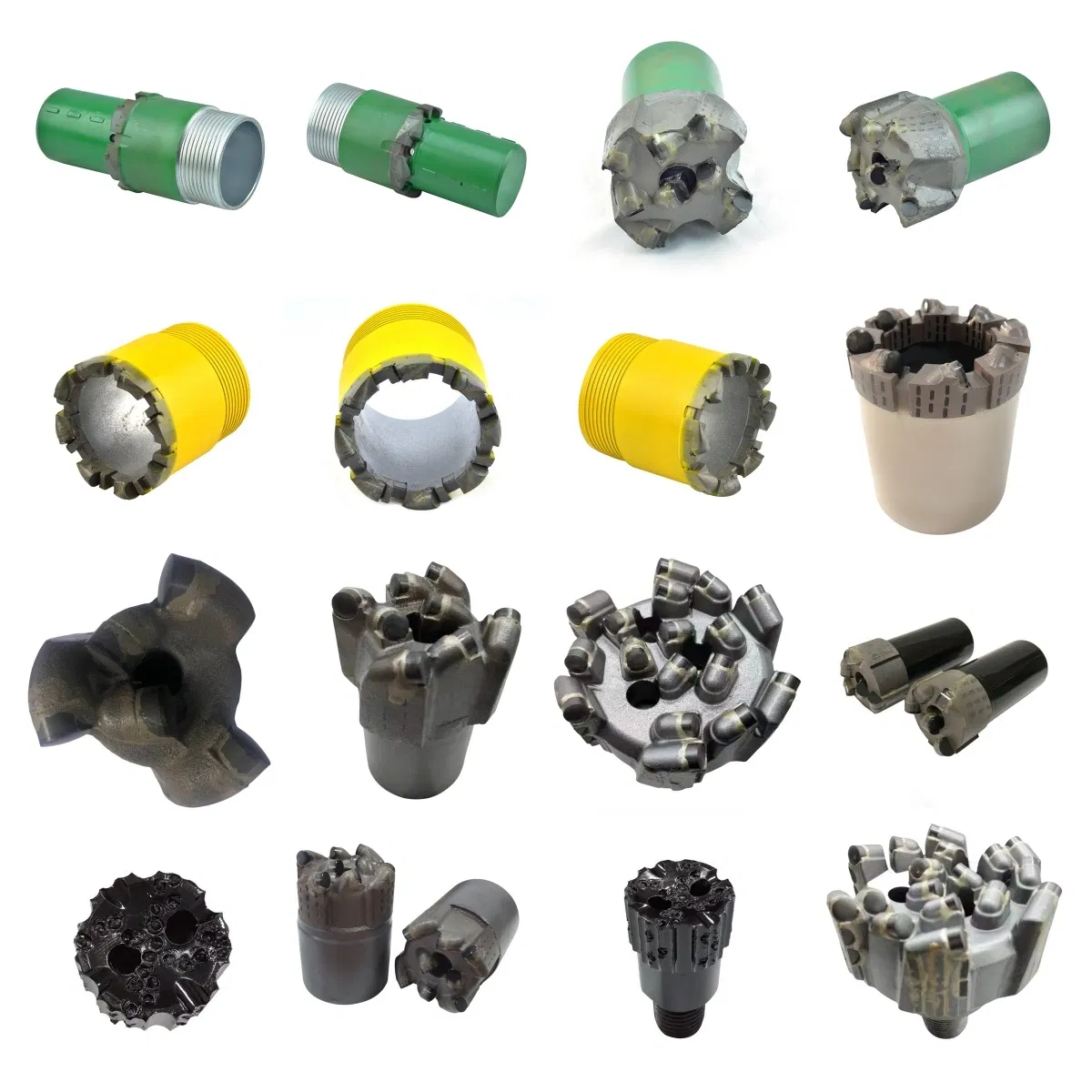
| Type | Size Available |
|---|---|
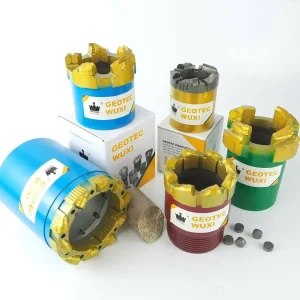
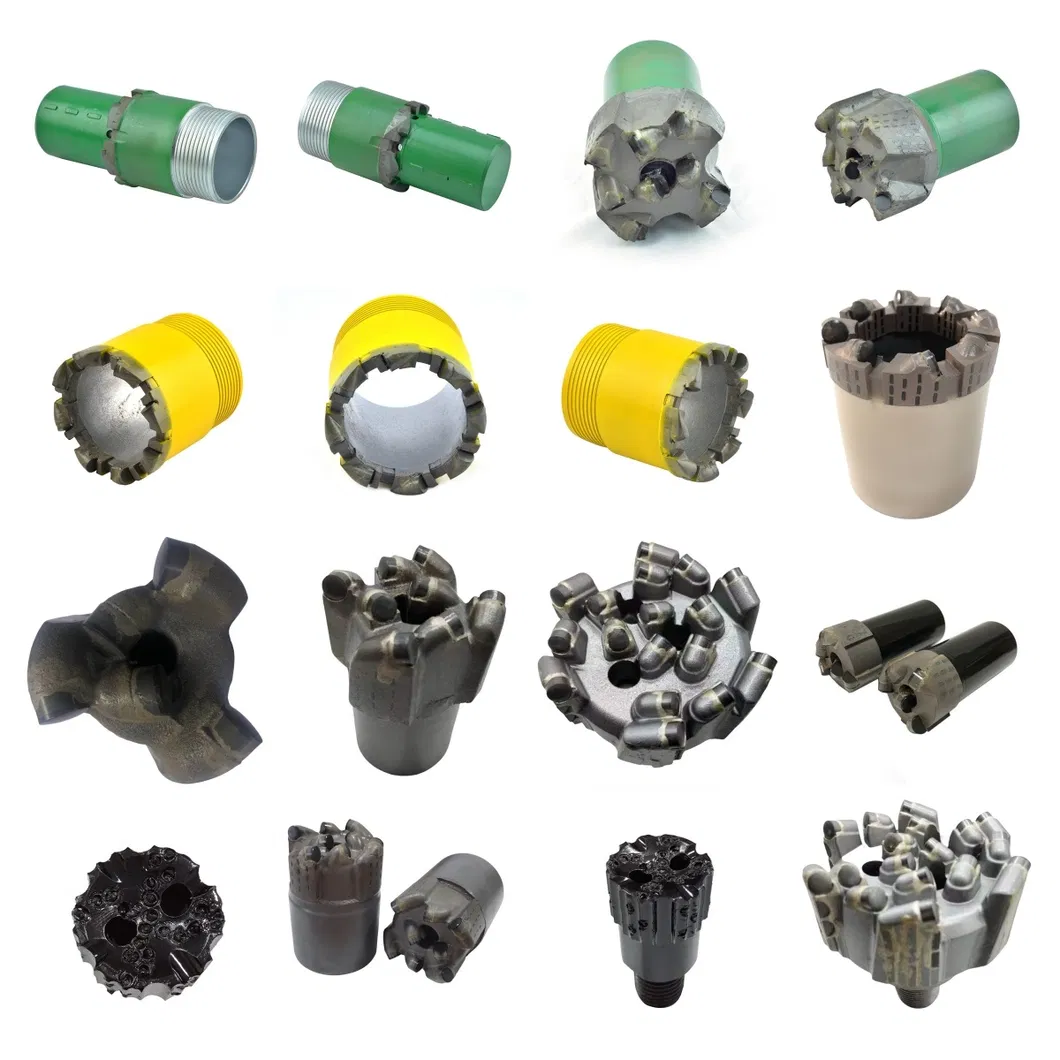
| Coring | N, H, P, N2, N3, H3, P3 |
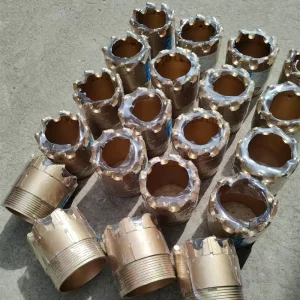
| Non-coring | T2 101, T6 86, T6 101, T6 116, T6 146, 412, HWF PWF 28mm - 152mm various diameters |