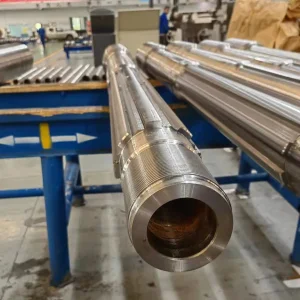
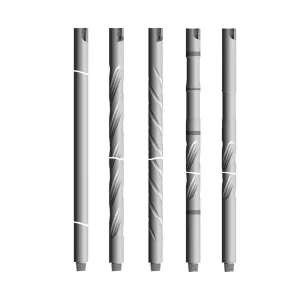
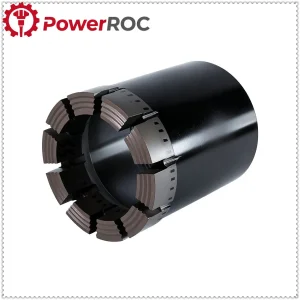
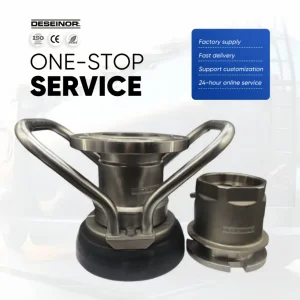
Explore our top-tier engineering assets, including Down-The-Hole rigs, PDC core bits, and heavy-duty drilling components designed for extreme environments.
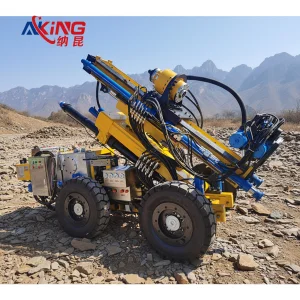

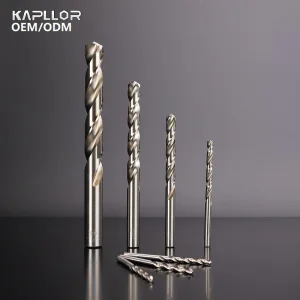
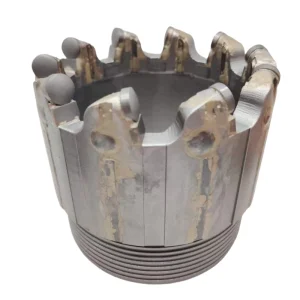
Analyzing the commercial trajectory, engineering mandates, and resource efficiencies of Down-The-Hole (DTH) percussion systems in modern industrial programs.
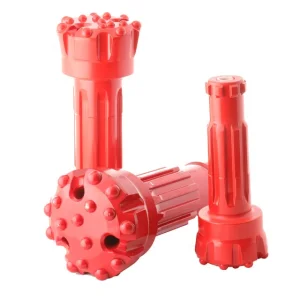
In surface blasting and deep underground mining, DTH bits offer the structural rigidity needed to pierce high-stress igneous formations. The design mitigates energy loss through optimized shank-to-piston alignment, maintaining linear speed in deep boreholes.
Large civil projects demand precise, large-diameter holes for rock anchoring and piling. Standardized DTH bit shanks secure dimensional integrity through varied geological layers, reducing structural shifting during operations.
Reaching aquifers and deep thermal reservoirs requires drilling through abrasive formations. High-durability DTH hammers and bits minimize tool failures, lowering project costs per meter in remote fields.
The global demand for high-strength drilling tools is rising rapidly due to renewed mineral extraction activities and deep geothermal exploration. However, manufacturing remains concentrated. Over 75% of primary tungsten carbide and forged steel processing occurs in specialized clusters, with East Asia—led by regional manufacturing hubs in Shandong—playing a key role in supply chain resilience.
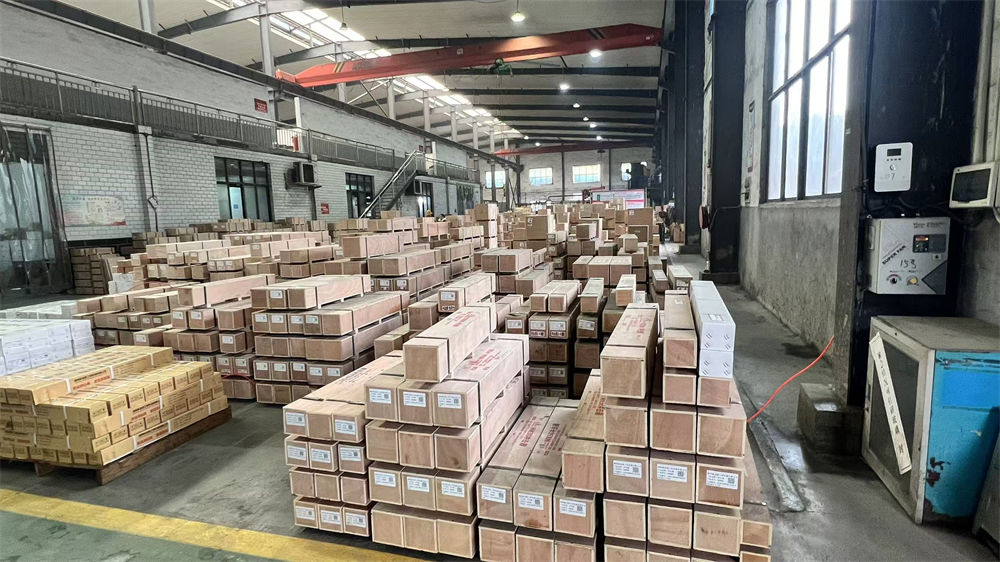
Selecting a reliable DTH bits exporter requires analyzing more than unit price. Procurement managers must evaluate the source alloy quality, machining precision, heat treatment processes, and shipping infrastructure. Choosing suppliers with integrated forging, heat treatment, and finishing processes helps shield projects from unexpected market shifts and shipping delays.
"Information Gain: Modern procurement models emphasize Total Cost of Ownership (TCO) over basic acquisition cost. High-grade DTH bits lower replacement frequency, reduce fuel consumption, and limit downtime."
| Steel Grade | Carbide Grade | Impact Resistance | Ideal Geological Profiling |
|---|---|---|---|
| 20CrNiMo Alloy | Premium YG6C / YK05 | Extremely High | Granite, Basalt, Abrasive Quartzite |
| AISI 8620 Steel | Standard YG8C | High | Limestone, Sandstone, Shale |
| 42CrMo Forging | Enhanced YG11C | Very High | Fractured Formations, Overburden |
A structured framework for supply chain directors to evaluate technical capabilities, metallurgical control, and quality assurance processes.
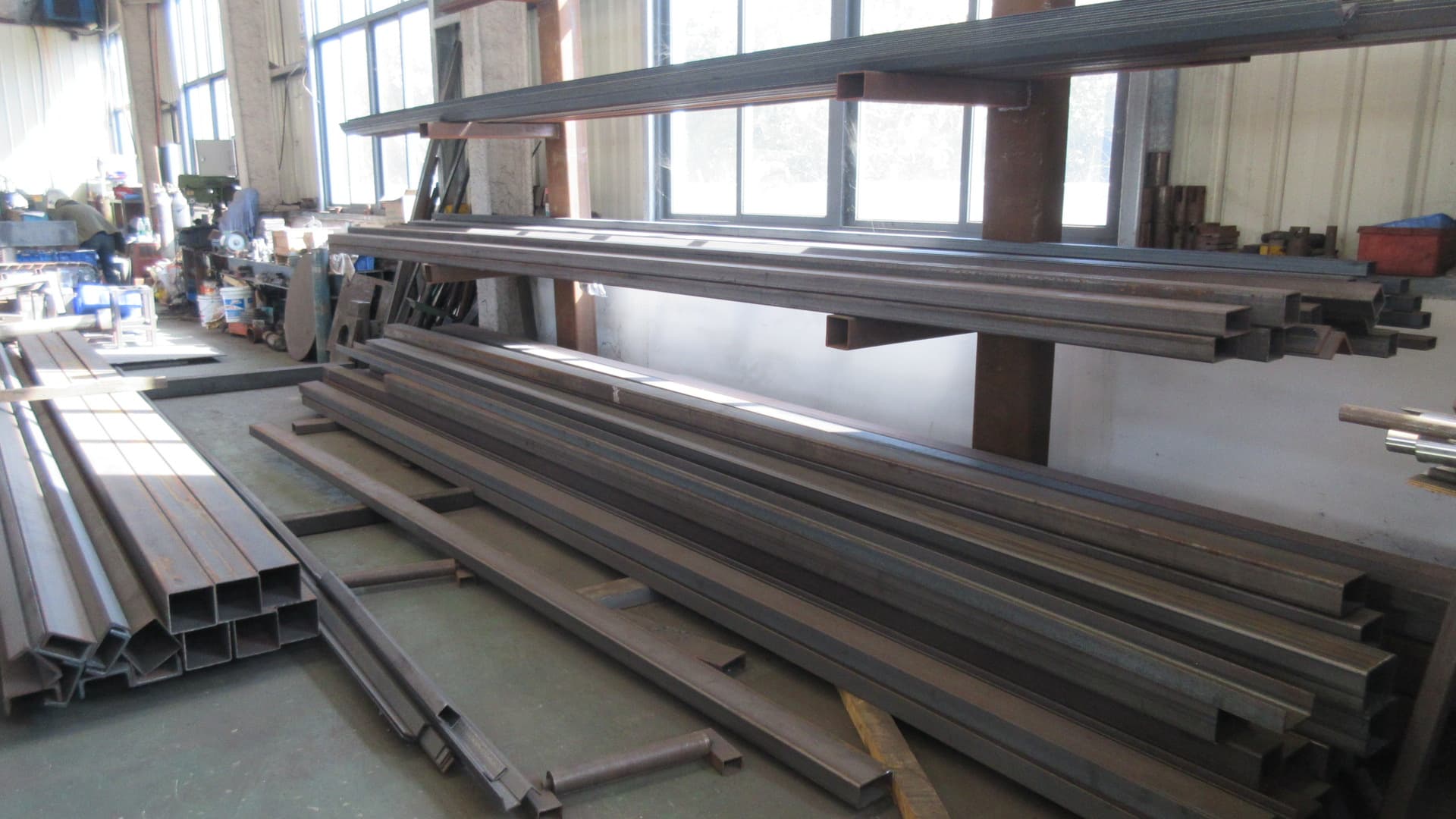
Verify that the manufacturer uses premium steel alloys (e.g., 20CrNiMo) and tests tungsten carbide batches for grain uniformity. Consistent raw material composition prevents button loss and body cracks under heavy load.
Ask for details on their heat-treatment processes. Controlled multi-stage tempering creates a tough core and a wear-resistant surface, allowing the bit to absorb high-frequency impacts without fracturing.
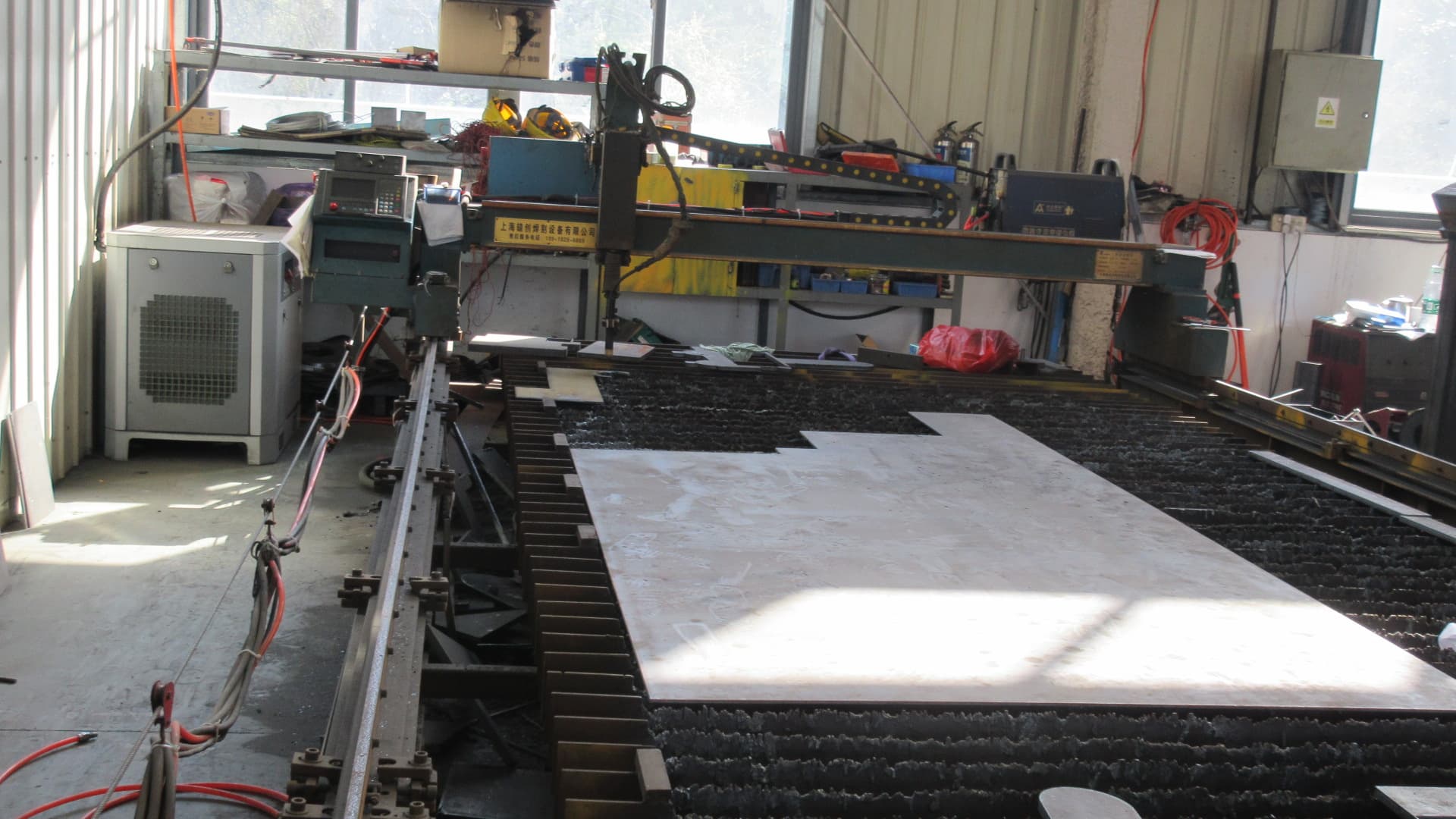
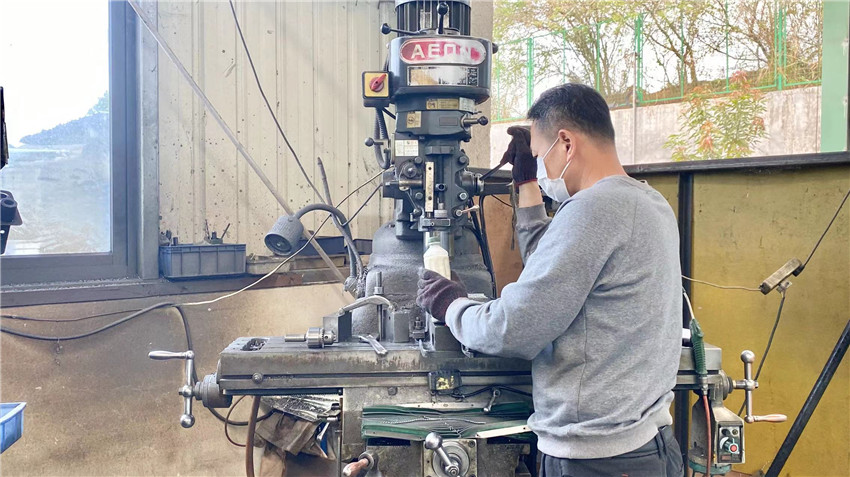
Ensure tight dimensional tolerances on splines and air channels. Accurate shank dimensions minimize hammer wear, protect the driver chuck, and help ensure efficient energy transfer.
Providing high-performance drilling solutions through advanced engineering, strict manufacturing controls, and professional technical support.
Shandong Savvy Tools Co., Ltd. is a specialized manufacturer and supplier of drilling tools and mining equipment based in Shandong Province, China. The company focuses on the research, development, production, and global distribution of high-quality drilling and mining solutions for challenging geological environments.
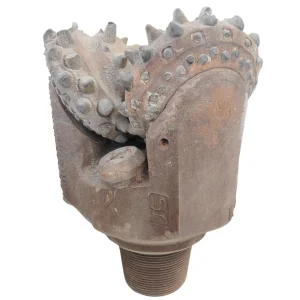
Our comprehensive product range includes PDC drill bits, tricone (roller cone) bits, DTH hammers and bits, core drilling tools, anchor drilling tools, drill rods and drill pipes, cutting picks, PDC cutters, carbide drill bits, and custom drilling accessories. These tools support operations in mining, geological exploration, water well drilling, oil and gas extraction, construction engineering, and tunneling projects.
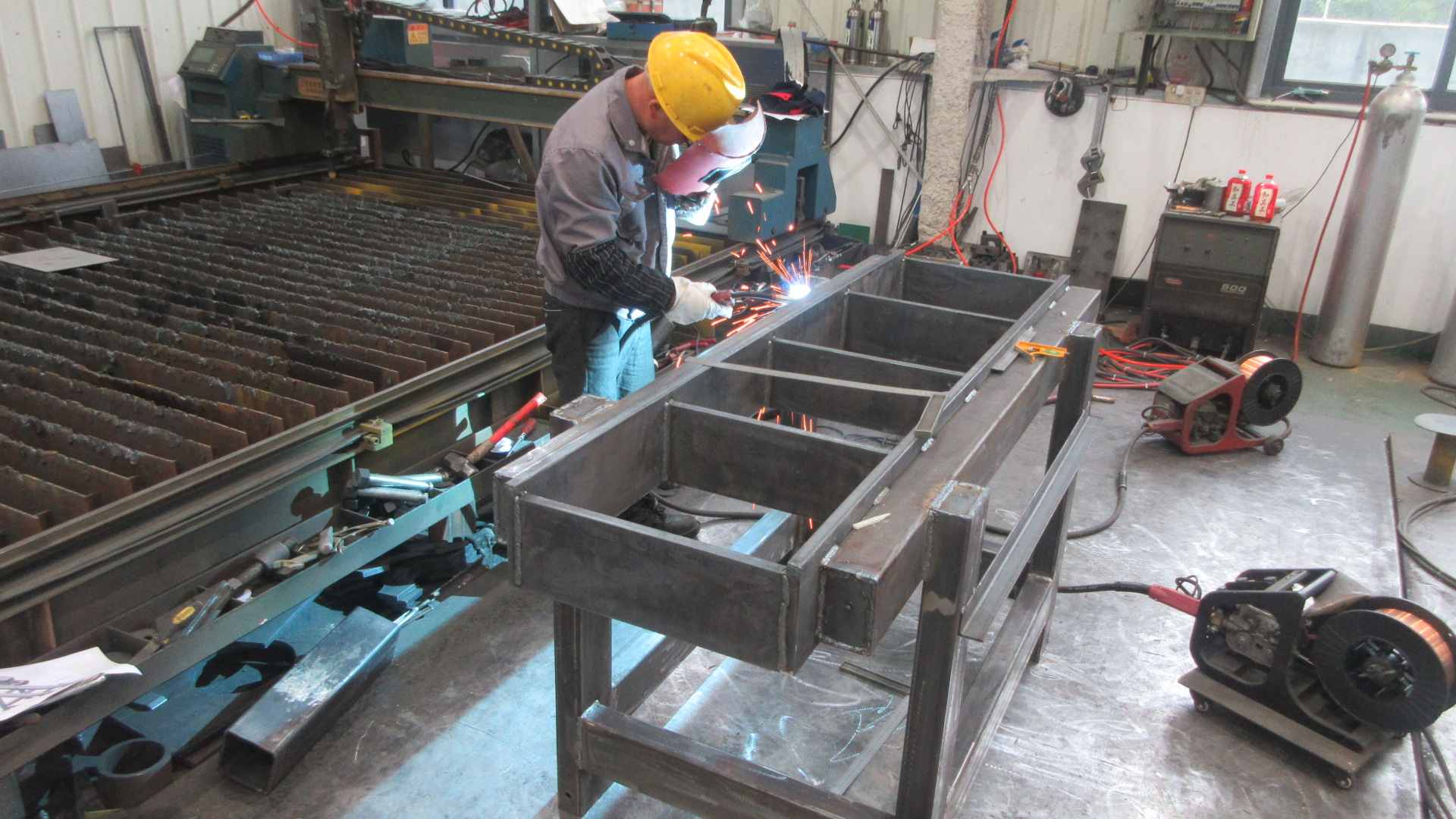
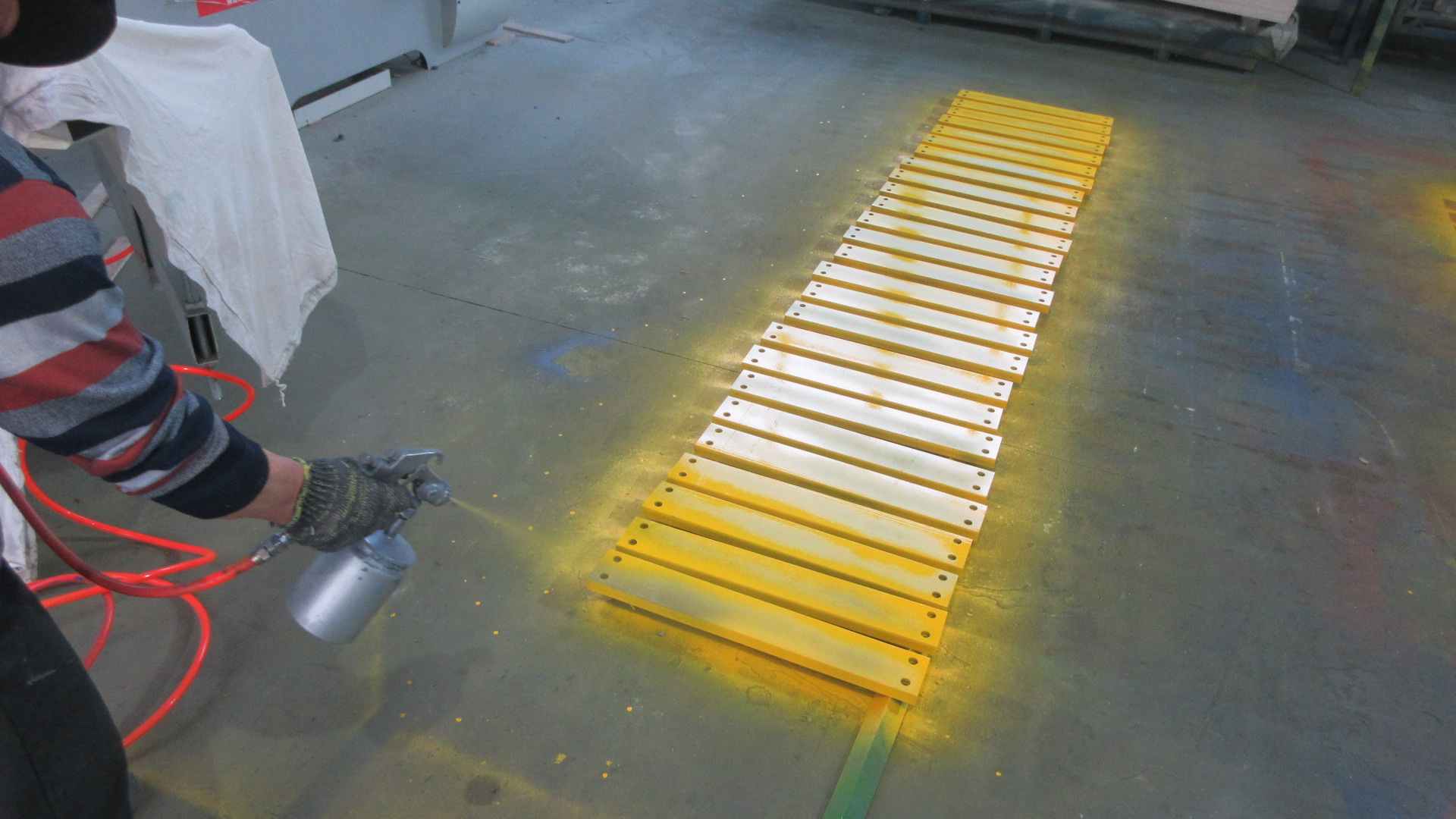
By using modern manufacturing equipment, employing a skilled technical team, and maintaining a strict quality management system, we continuously work to improve tool life and reliability. We select premium raw materials and run quality checks at every production stage to ensure consistent performance in demanding conditions. In addition to our own manufacturing lines, we partner with leading domestic producers to offer a broad selection of cost-effective drilling solutions. Our engineering teams help clients choose the right tools for their specific drilling environments, and we serve partners across Asia, Europe, the Middle East, Africa, North America, and South America.
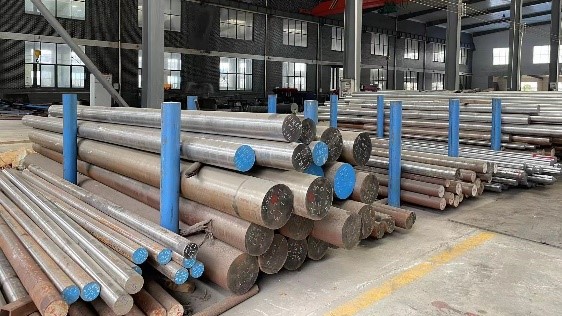
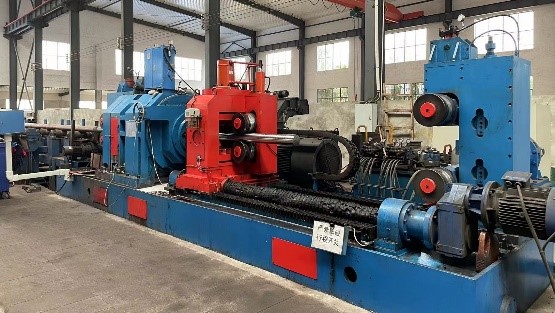
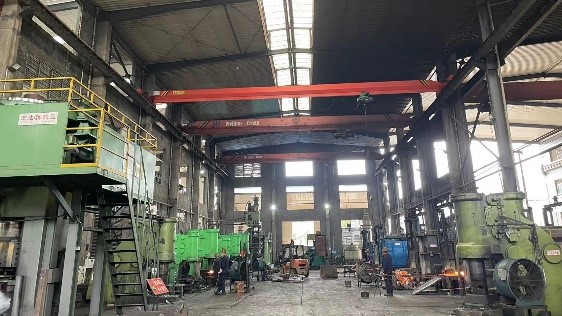
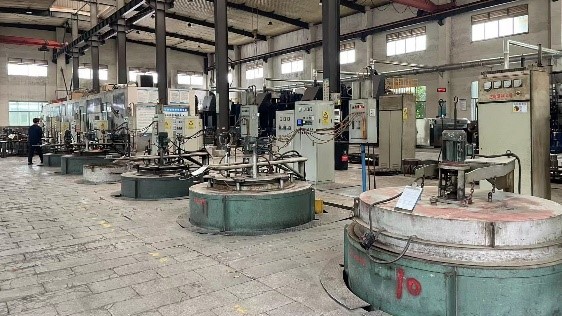
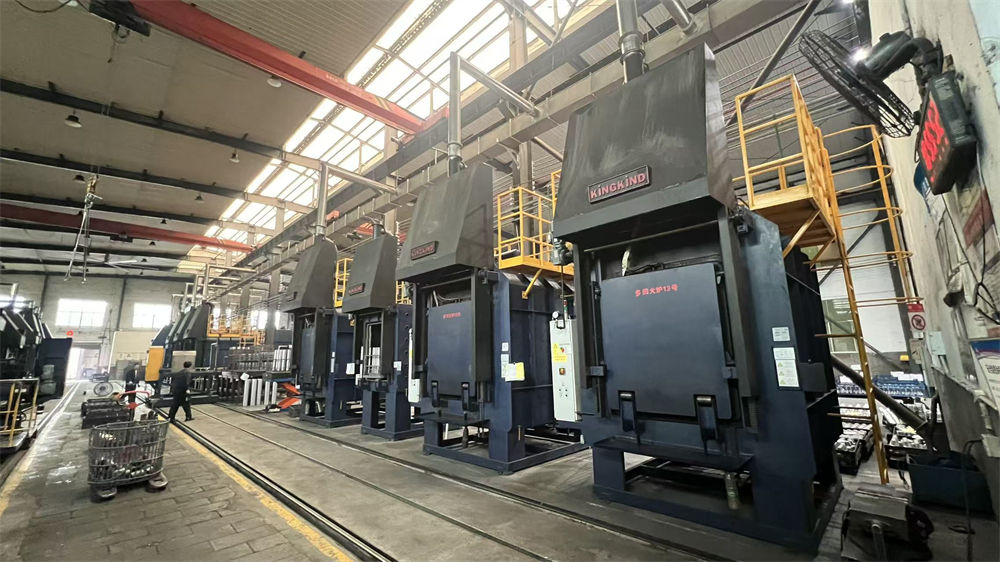
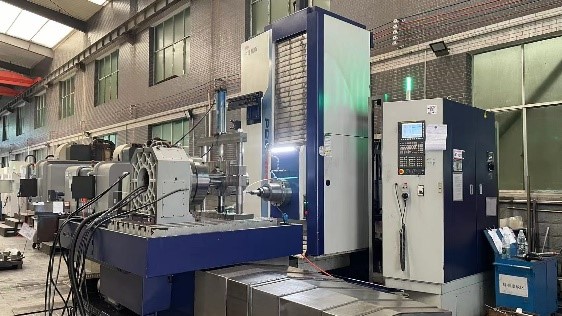
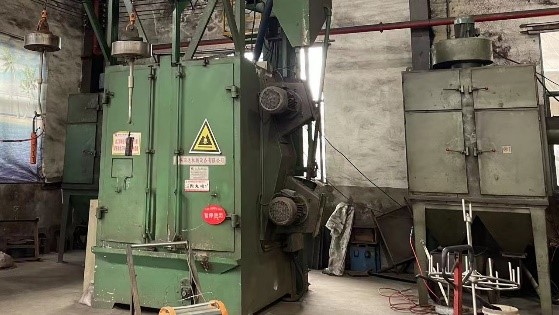
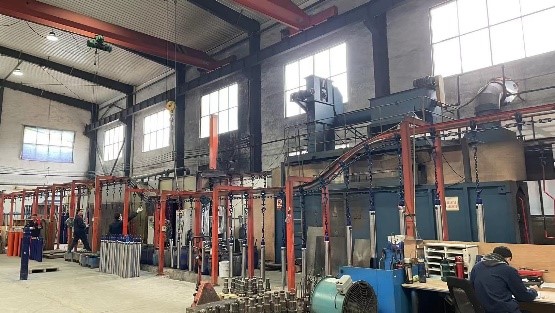
Ensuring tool configurations meet local regulations and geological requirements in key drilling regions.
Every drilling site presents a unique rock profile. Using the wrong bit face shape or button configuration can accelerate wear and lower drilling speeds:
For international projects, drilling tools must comply with strict engineering and safety standards. High-performance DTH hammers and bits are manufactured to match global industry norms:
Exploring advanced metallurgy, sensor integration, and cleaner manufacturing practices shaping the next generation of drilling tools.
Developing ultra-fine grain tungsten carbide buttons. Refining the grain structure increases toughness and hardness, helping prevent micro-fracturing under high-frequency impacts.
Integrating micro-sensors into the drill assembly. These sensors monitor temperature, vibration, and face wear in real-time, helping crews optimize operating parameters and predict tool changes.
Transitioning to energy-efficient induction heating. This process reduces energy consumption, improves carbon footprint metrics, and provides precise heat control for consistent tempering.
Answers to common technical questions regarding DTH bit selection, wear management, and supplier auditing.
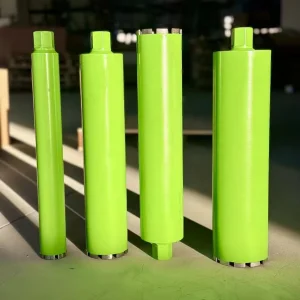
Explore our specialized heavy equipment components, CNC tooling systems, and durable diamond core bits designed for industrial mining applications.
 Savvy Tools