Explore our high-performance exploration drilling tools, engineered for geological resilience and maximized rate of penetration (ROP).
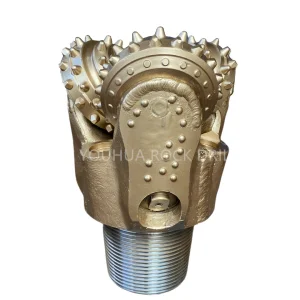
Modern exploration drilling serves as the direct link to the earth’s sub-surface assets. Geotechnical construction, mineral exploration, infrastructure surveying, and energy production are deeply dependent on the reliability of mechanical tooling. Globally, the industry is witnessing a structural shift. The depletion of shallow, easily accessible deposits has forced exploration operations into deeper geologies, requiring deeper boreholes, higher rotational forces, and tools capable of withstanding extreme thermal loads.
Commercial risk in this sector is highly sensitive to downhole failures. A single tool joint break or structural failure of a tricone bit at a depth of 3,000 meters can result in hundreds of thousands of dollars in lost drilling fluids, retrieval costs, and project downtime. As a result, global procurement is transitioning from selecting suppliers based on the lowest initial price to prioritizing products that minimize the Total Cost of Drilling (TCD). This shift has elevated the importance of premium metallurgy, certified manufacturing standards, and rigorous testing reports.
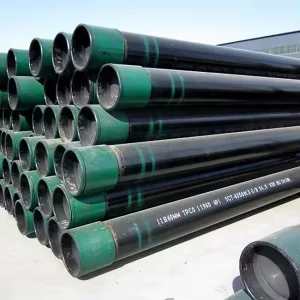
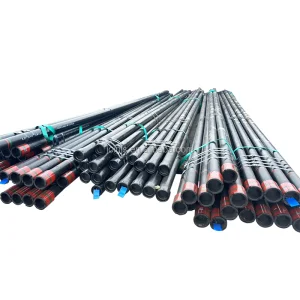
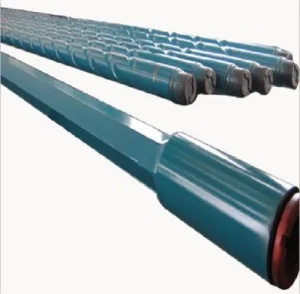
Deep and ultra-deep wells require specialized tool joints, non-magnetic drill collars, and heavy-duty casing pipes. Modern materials must offer high yield strength, excellent impact resistance, and corrosion immunity to withstand the sour gas and high temperatures typical of deep geologies.
Drilling through alternating hard and soft geological strata requires hybrid cutter profiles. The combination of polycrystalline diamond compact (PDC) cutters with tungsten carbide inserts (TCI) enables higher ROP and extended bit lifetimes, reducing trip frequency.
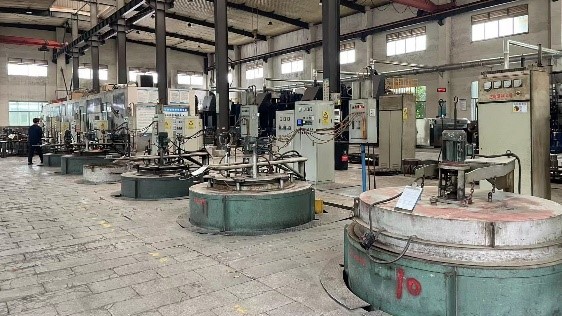
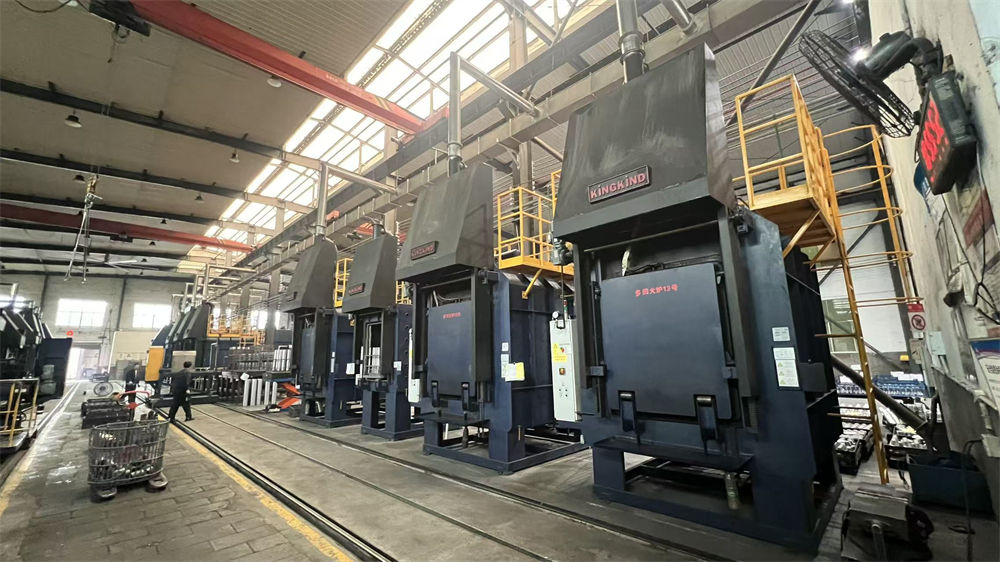
Smart production technologies, including automated heat treatment and friction welding, have revolutionized drilling tool manufacturing. Precision control over steel annealing and surface carburization processes ensures uniform performance across all manufacturing batches.
Industrial procurement agents and engineers prioritize quality control documentation when selecting drill string components and downhole accessories. Procurement requirements typically cover key technical areas:
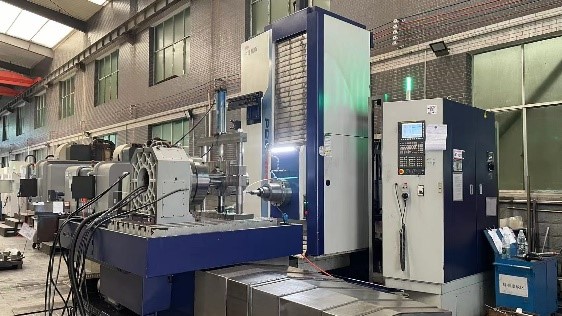
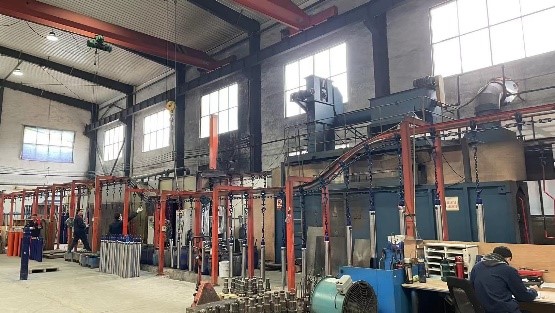
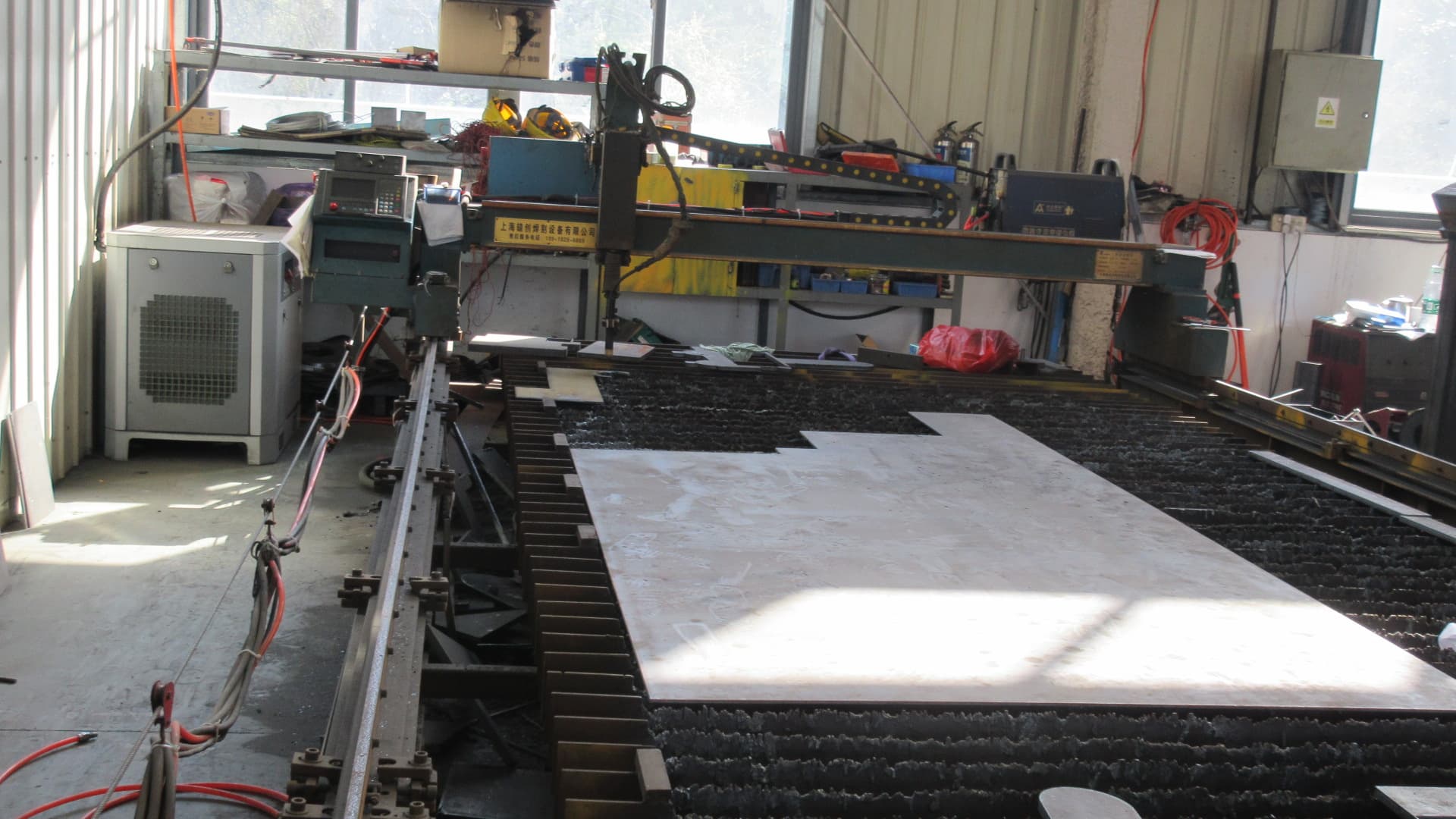
The Chinese manufacturing landscape for geological drilling tools has transitioned from high-volume production to smart, specialized Factory 4.0 ecosystems. Shandong Province has emerged as a key center, home to integrated factories that combine raw material sourcing, automated machining, and advanced quality testing.
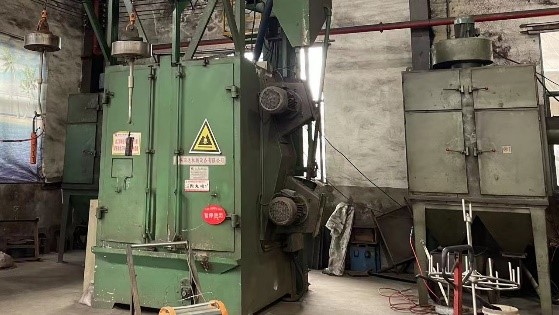
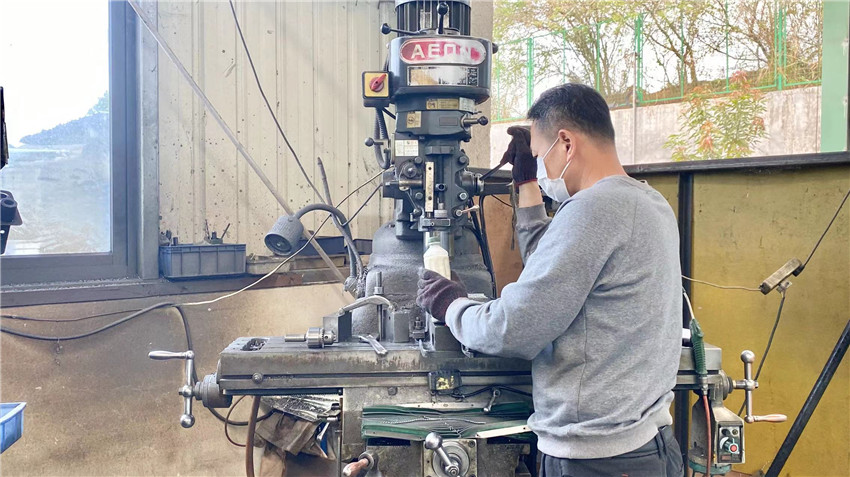
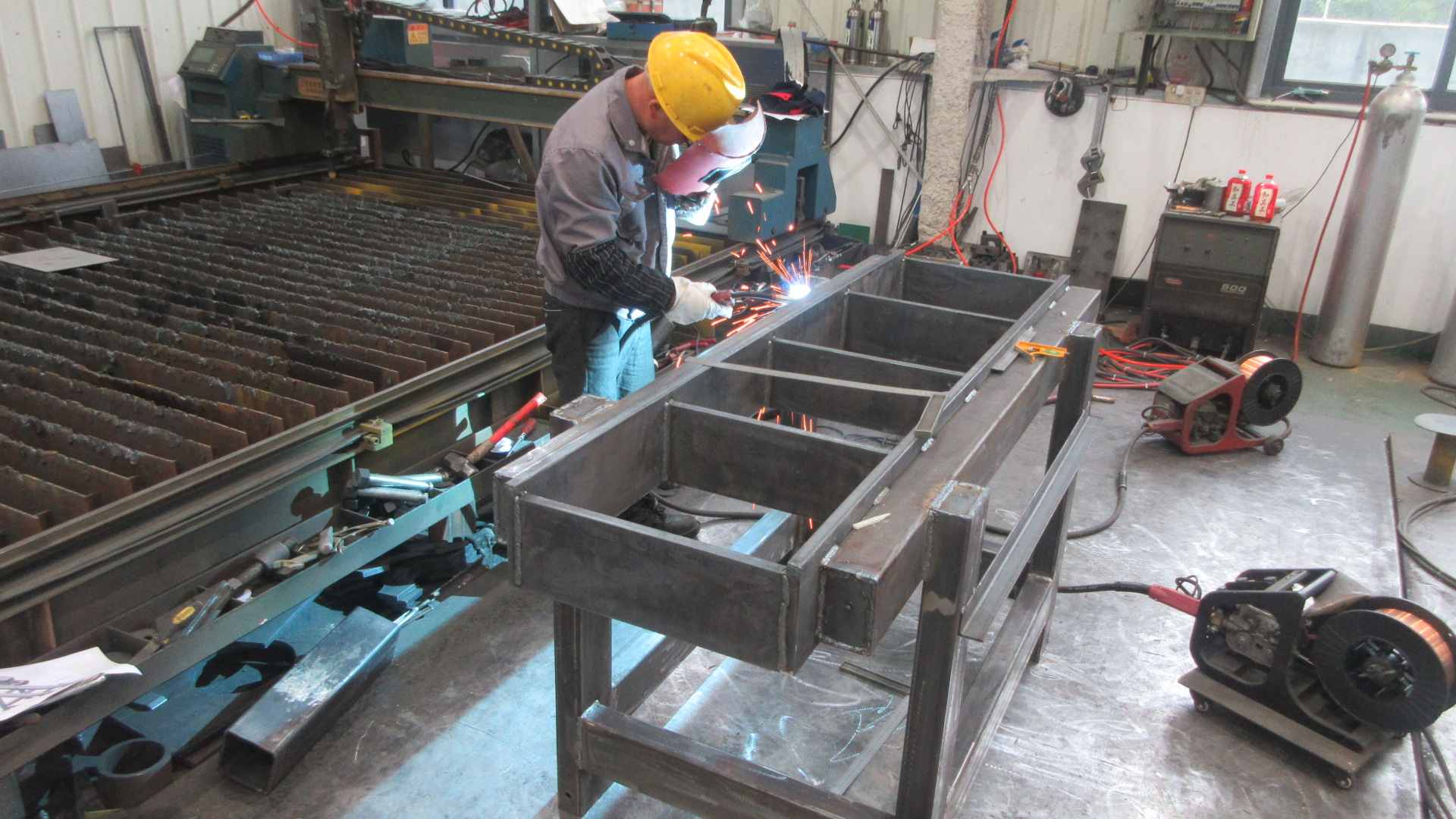
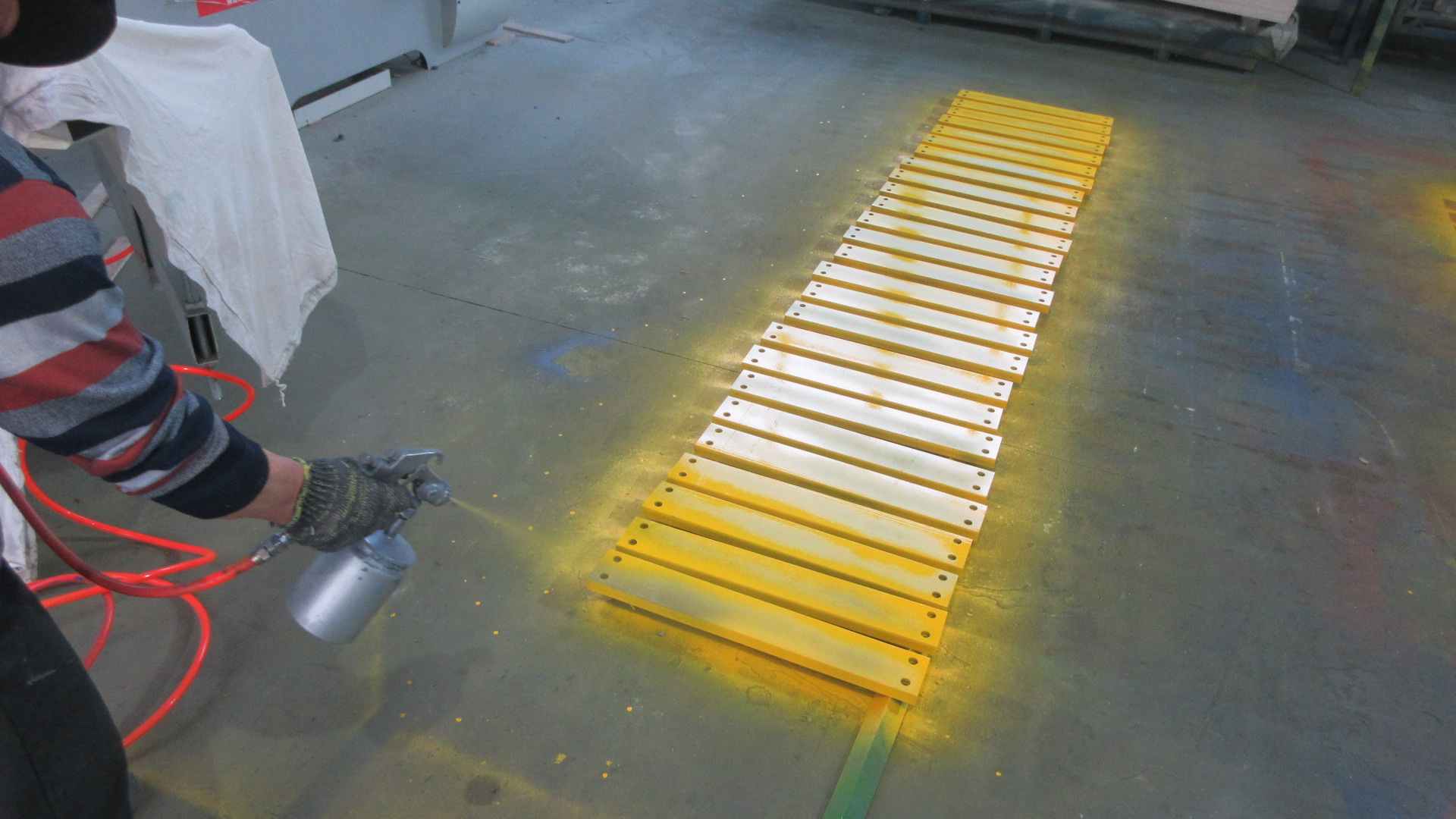
By automating core processes—such as robotic forging, automated heat treatment, and precision spray-finishing—these plants consistently meet strict dimensional and material specifications. This integrated manufacturing model helps control material waste, reduce energy consumption, and manage labor overhead, offering global buyers high-performance drilling tools at a competitive cost.
Shandong Savvy Tools Co., Ltd. is a professional manufacturer and supplier of drilling tools and mining equipment, located in Shandong Province, China. Since its establishment, the company has been committed to the research, development, production, and global distribution of high-quality drilling and mining solutions for customers worldwide.
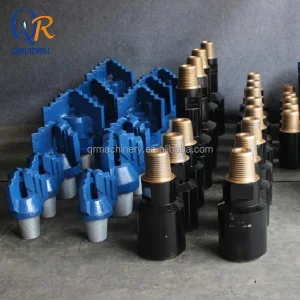
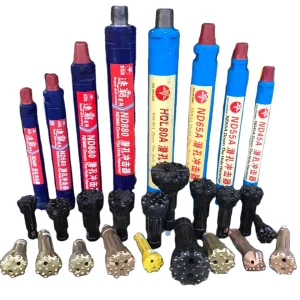
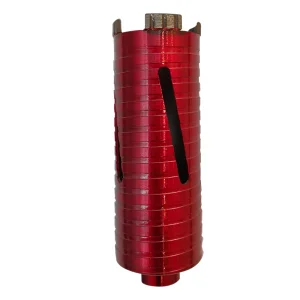
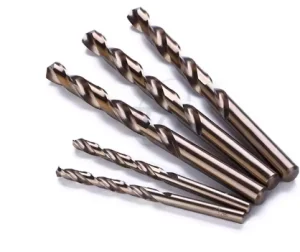
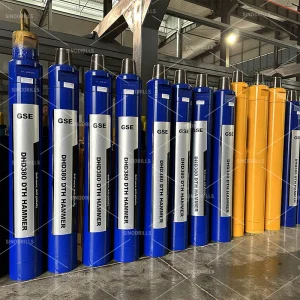
Our main product range includes PDC drill bits, tricone (roller cone) bits, DTH hammers and bits, core drilling tools, anchor drilling tools, drill rods and drill pipes, cutting picks, PDC cutters, carbide drill bits, and various customized drilling accessories. These products are widely used in mining, geological exploration, water well drilling, oil and gas drilling, construction engineering, and tunneling projects.
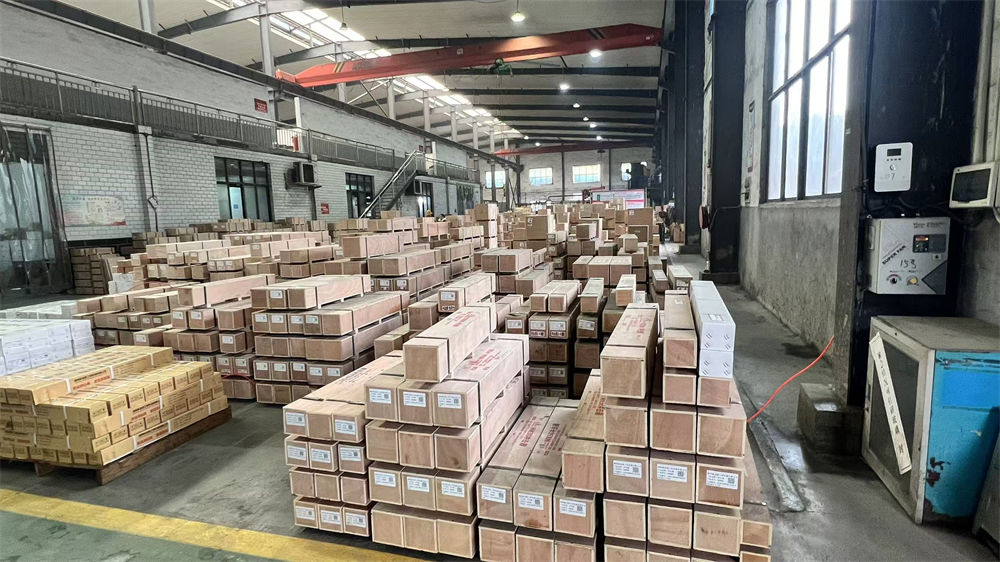
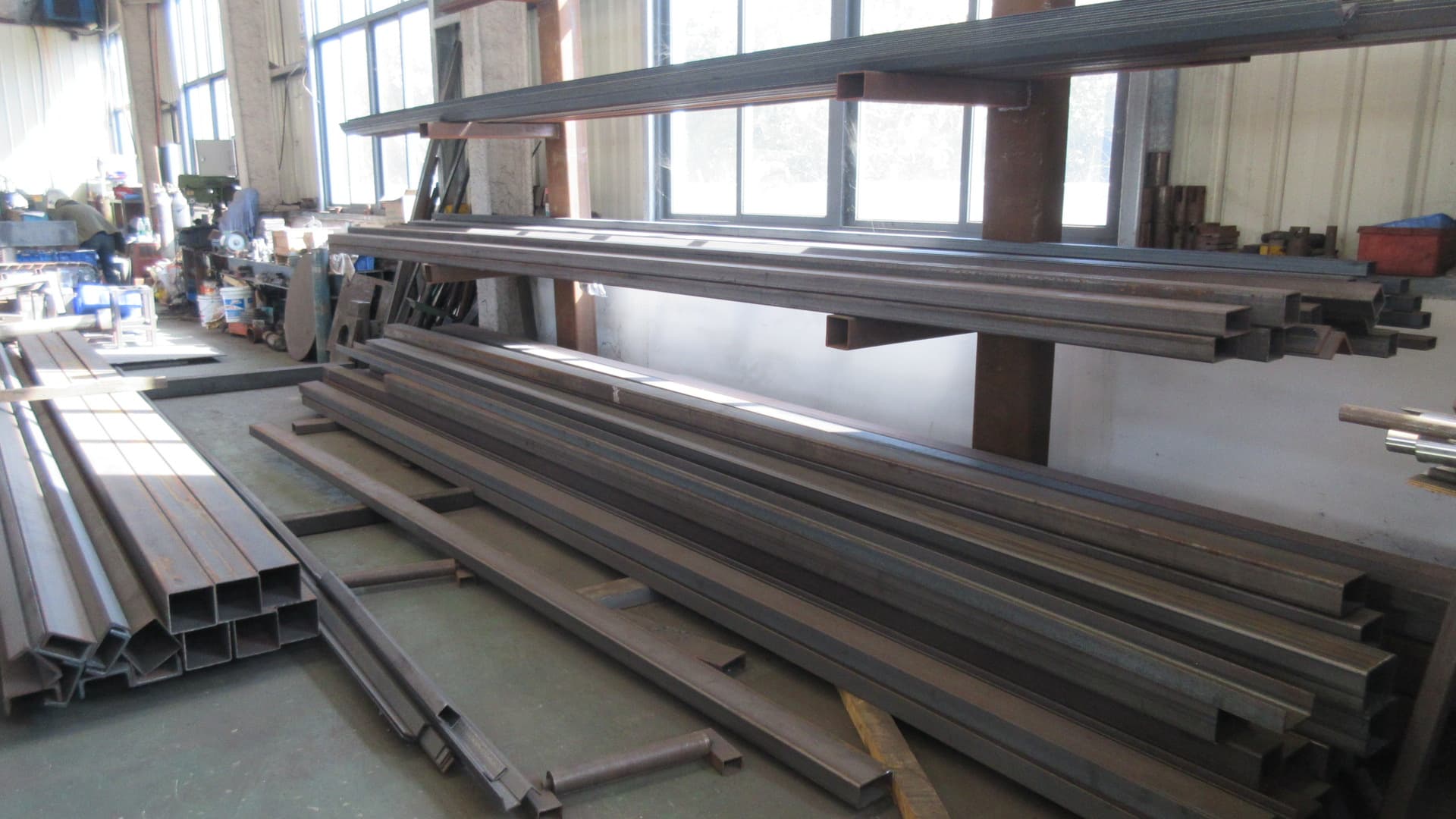
With advanced manufacturing equipment, a skilled technical team, and a strict quality management system, Shandong Savvy Tools Co., Ltd. continuously improves product performance and production efficiency. We carefully select premium raw materials and implement rigorous quality inspections throughout every stage of manufacturing to ensure reliability, durability, and consistent performance in demanding working conditions.
In addition to our own product lines, we maintain strong partnerships with leading domestic manufacturers, enabling us to provide customers with a broader range of drilling equipment and cost-effective solutions. Our experienced sourcing and engineering teams are highly familiar with industry standards and product applications, allowing us to recommend the most suitable products for different drilling environments.
Guided by the principles of quality, innovation, and customer satisfaction, Shandong Savvy Tools Co., Ltd. has established long-term business relationships with clients across Asia, Europe, the Middle East, Africa, North America, and South America. We are dedicated to delivering reliable products, competitive prices, professional technical support, and comprehensive after-sales service.
We sincerely welcome customers and partners from around the world to cooperate with us and create mutual success for the future.
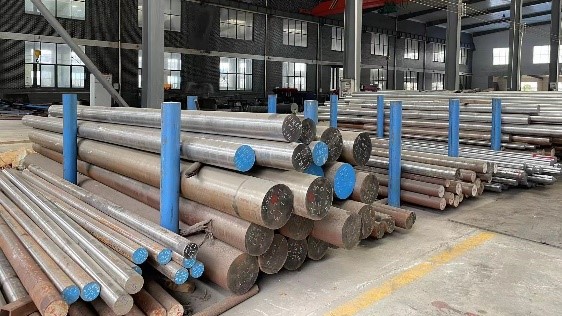
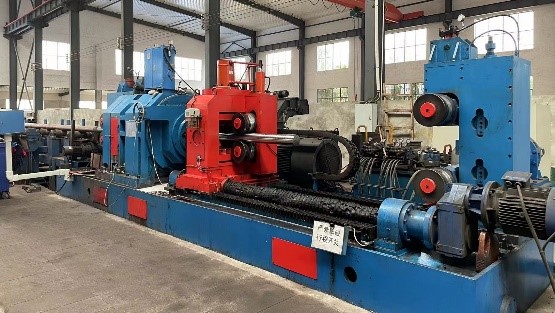
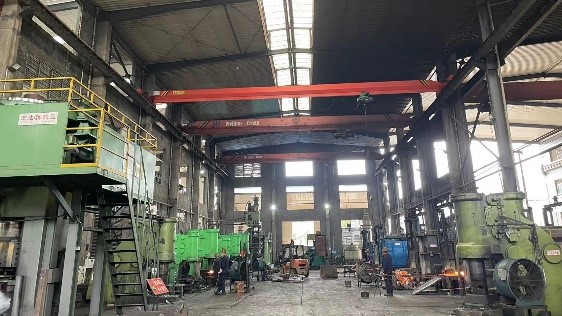
Different geological formations require distinct equipment specifications:
Choose from our broader portfolio of high-end exploration drilling components, manufactured to international API and ISO specifications.
 Savvy Tools