Savvy Tools
1 / 5
Petroleum exploration and development equipment refers to comprehensive equipment for oil and natural gas exploration, drilling, development, storage and transportation, including various types of geophysical prospecting and logging equipment, drilling equipment, oil and gas production equipment, downhole operation equipment, oil and gas gathering and transportation Equipment, offshore drilling platform equipment, etc. and related accessories and tools.
Oil refining and petrochemical equipment refers to the complete set of equipment required in the whole process of oil and natural gas processing and conversion, including general equipment (such as various process compressors, expanders, etc., pumps and valves, etc.) and medical equipment (such as reactors, towers, heat exchange equipment, industrial furnaces, storage and transportation equipment, medical machinery, etc.).
The equipment specifications and parameters of the oil refining and petrochemical industry are determined by the process of the oil refining and petrochemical industry. The requirements for automation are high, and it is required to be able to run continuously and stably for a long period of time, so there are high requirements for the reliability of the equipment. The oil and gas exploration, development and production process is characterized by multiple links, complex technologies, and high individual requirements.
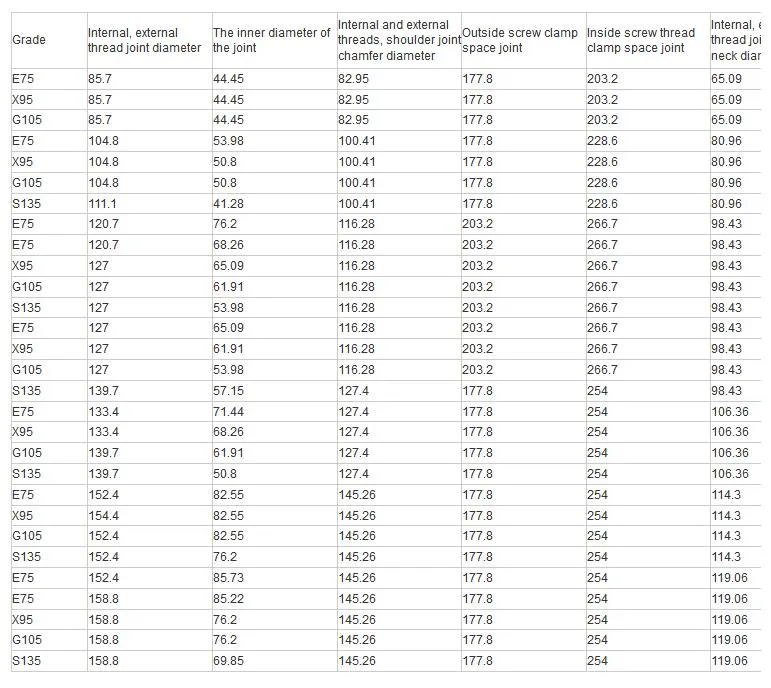
NC26, NC31, NC38, NC40, NC46, NC50
NC, IF, FH, XH, REG
40Cr, 35CrMo, 4137H
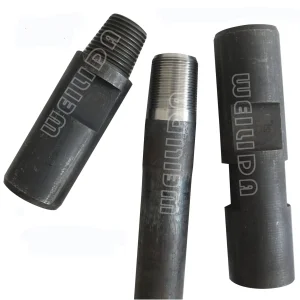
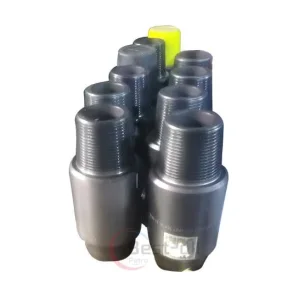
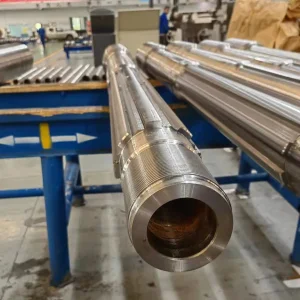
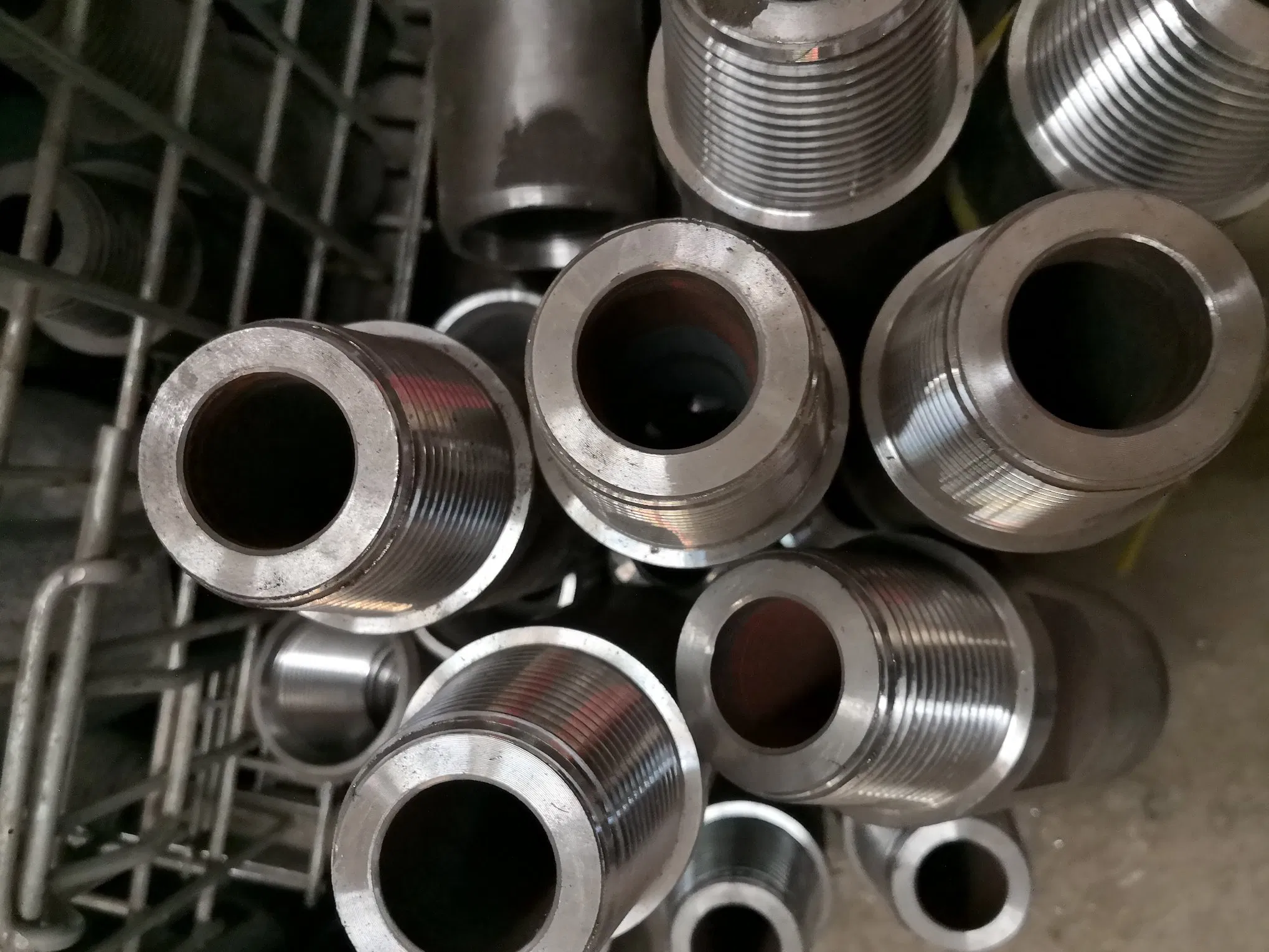
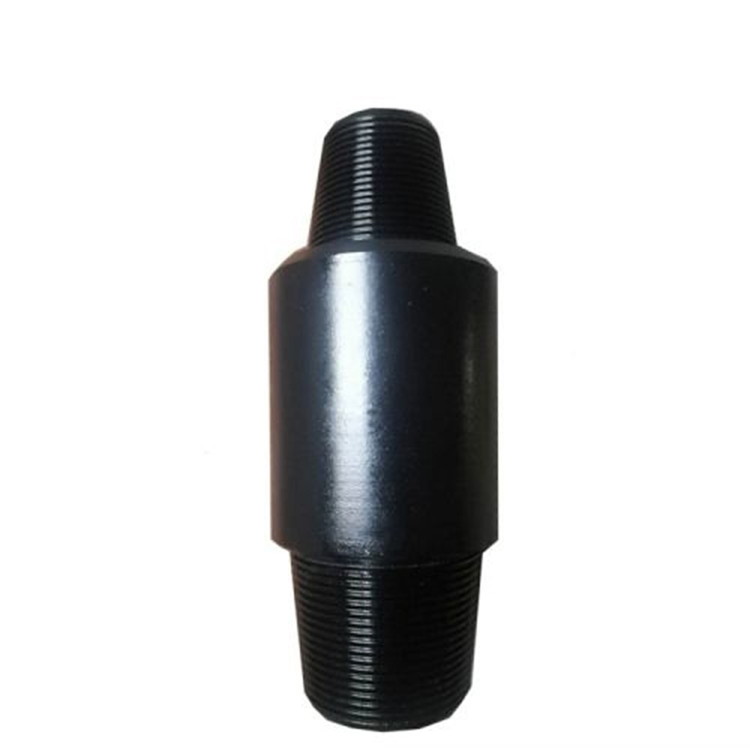
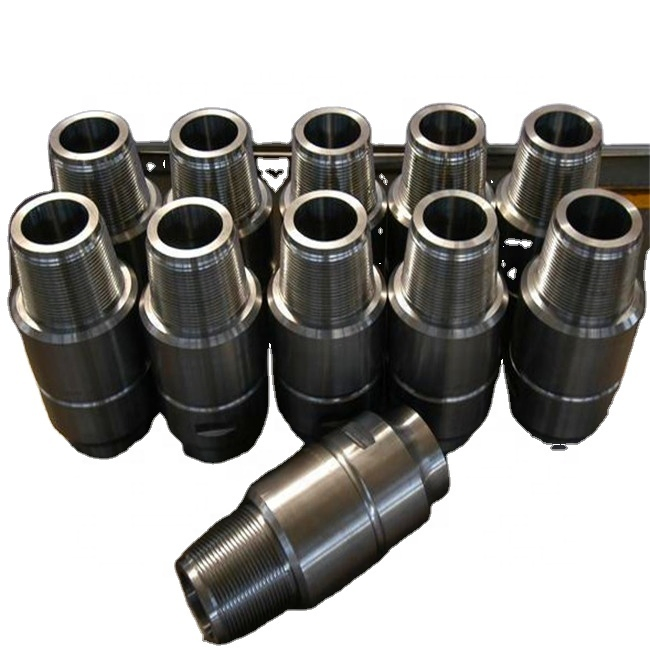
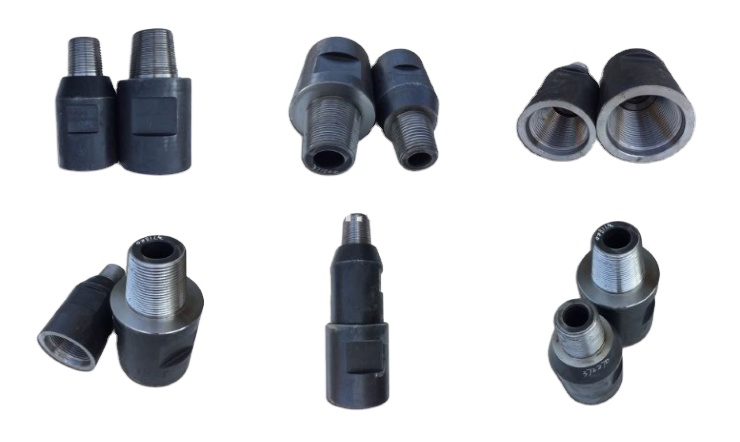
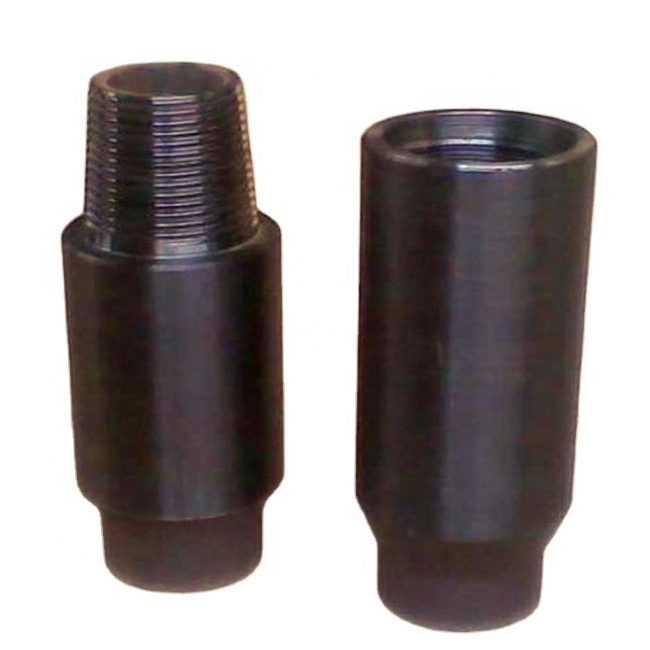
Definition: Tool joints are short sections of pipe that are attached to the tubing portion of drill pipe by means of using a flash welding process. The internally threaded tool joint is called a "box", while the externally threaded tool joint is the "pin".

Tool joints serve as the high-strength threaded connections that link individual segments of drill pipe together, providing the necessary durability to withstand the stresses of drilling operations.
High-grade alloy steels such as 40Cr, 35CrMo, and 4137H are typically used due to their excellent mechanical properties and resistance to fatigue.
A "Pin" refers to the externally threaded end of the tool joint, while a "Box" refers to the internally threaded end. They are designed to screw together securely.
Because the petrochemical industry involves continuous process manufacturing, any equipment failure can lead to significant downtime and safety risks. High reliability ensures stable, long-term operation.
Common connection types include NC (Numbered Connection), IF (Internal Flush), FH (Full Hole), XH (Extra Hole), and REG (Regular).
Tool joints are permanently attached to the drill pipe tubing using a specialized flash welding process, which ensures a strong and seamless bond.