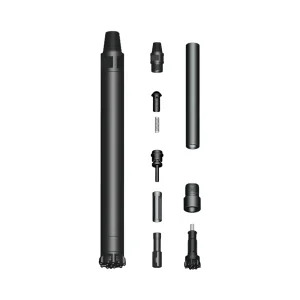
Premium selection of DTH hammers, HDD units, step drills, and structural casings built to international industrial standards.
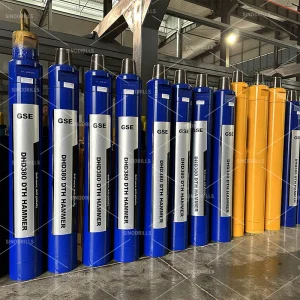
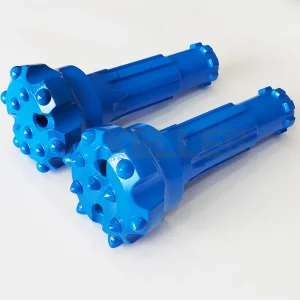
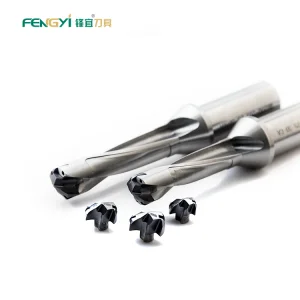
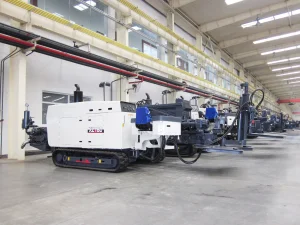
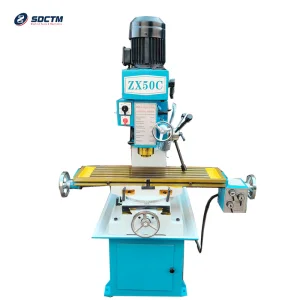
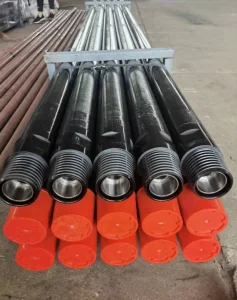
The global geological drilling sector represents the foundational pillar for resource discovery, clean energy transition, and infrastructure development. From mineral exploration in remote terrains to deep horizontal geothermal drilling, modern operations require drilling tooling that withstands severe mechanical stress, abrasive formations, and high hydrostatic pressures. Over the past decade, the shifting parameters of resource exploration have forced a transition from generic tools to highly specialized, metallurgically optimized assemblies capable of handling aggressive cycle rates.
China has established itself as the global epicenter for drilling equipment manufacture, combining advanced steel metallurgical supply chains, precise thermal treatment technologies, and massive economies of scale to support infrastructure projects worldwide.
Shandong Savvy Tools Co., Ltd., based in Shandong Province, China, has strategically developed an extensive manufacturing hub to service this growing market. By integrating premium domestic raw steel with strict heat-treatment regimes and precise CNC machining, we resolve the industry's most common friction points: premature wear, low rate of penetration (ROP), and unpredicted tool failures. Our engineering workflows focus on minimizing downtime while offering high-impact energy transfer from DTH hammers directly to rock faces.
Every tool we manufacture passes through an integrated production pipeline to guarantee structural integrity, precise geometries, and prolonged service life.
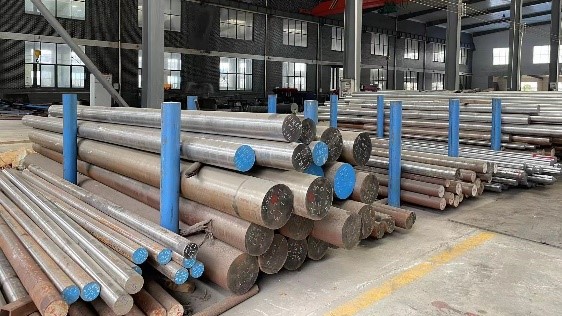
Raw Materials
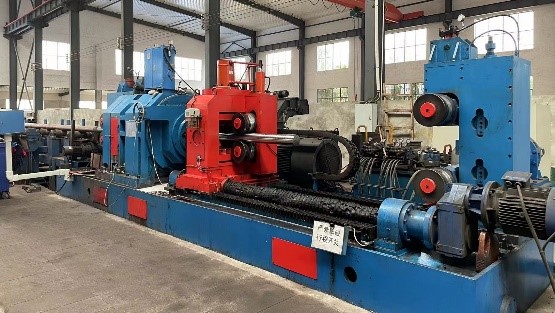
Cutting
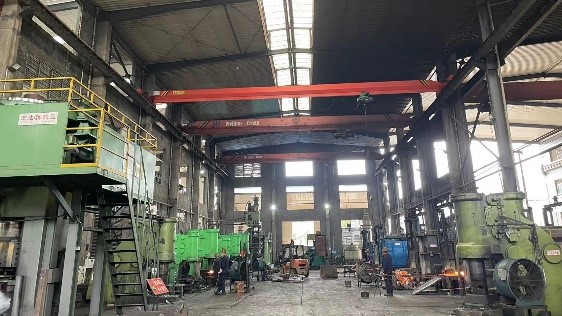
Forging
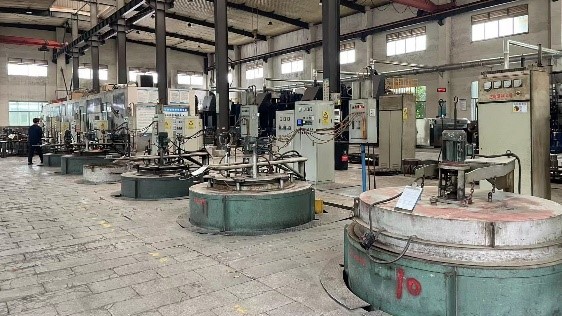
Heat Treatment
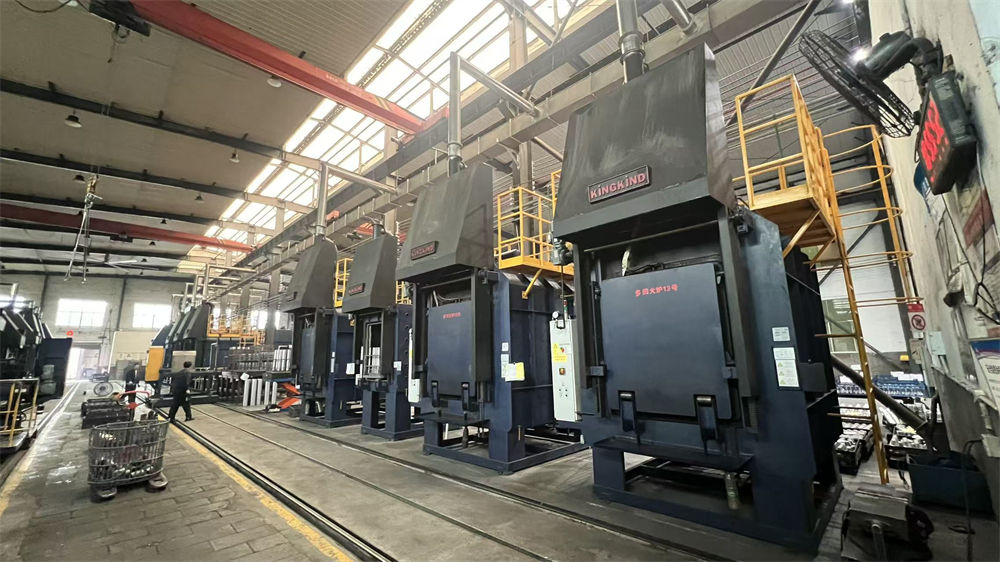
Annealing
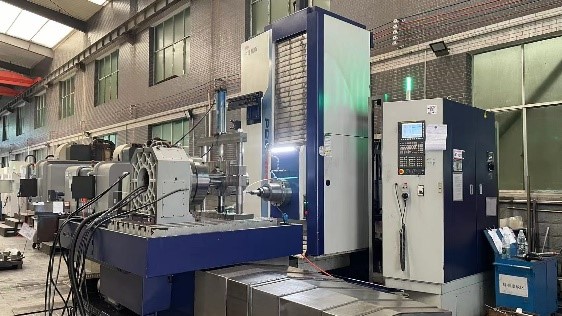
Machining
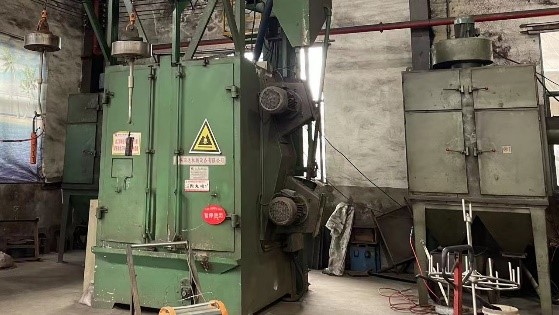
Blasting
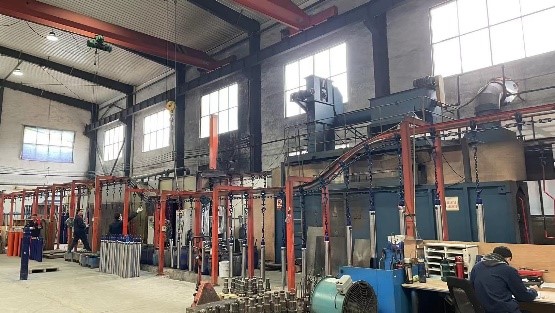
Spraying
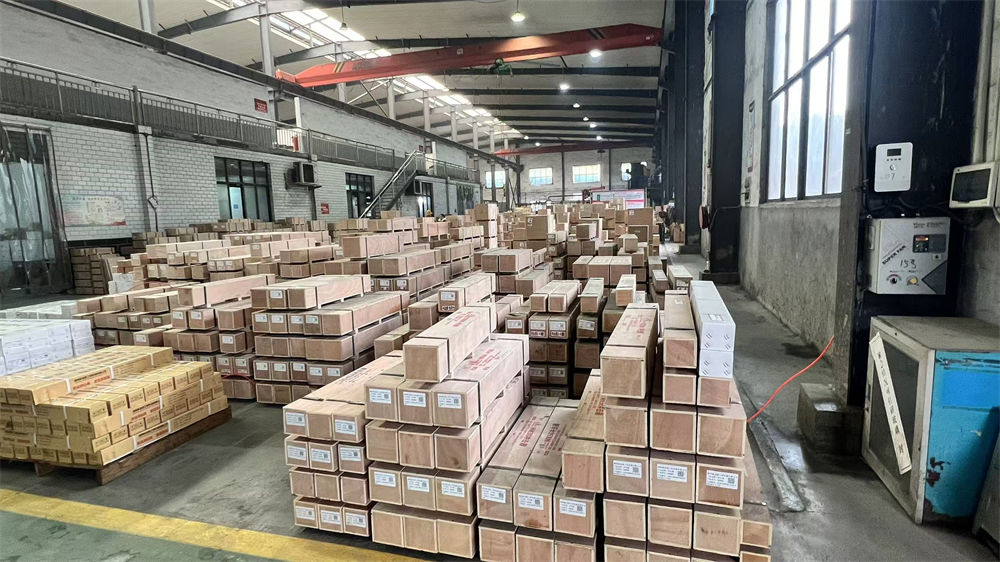
Packaged Products
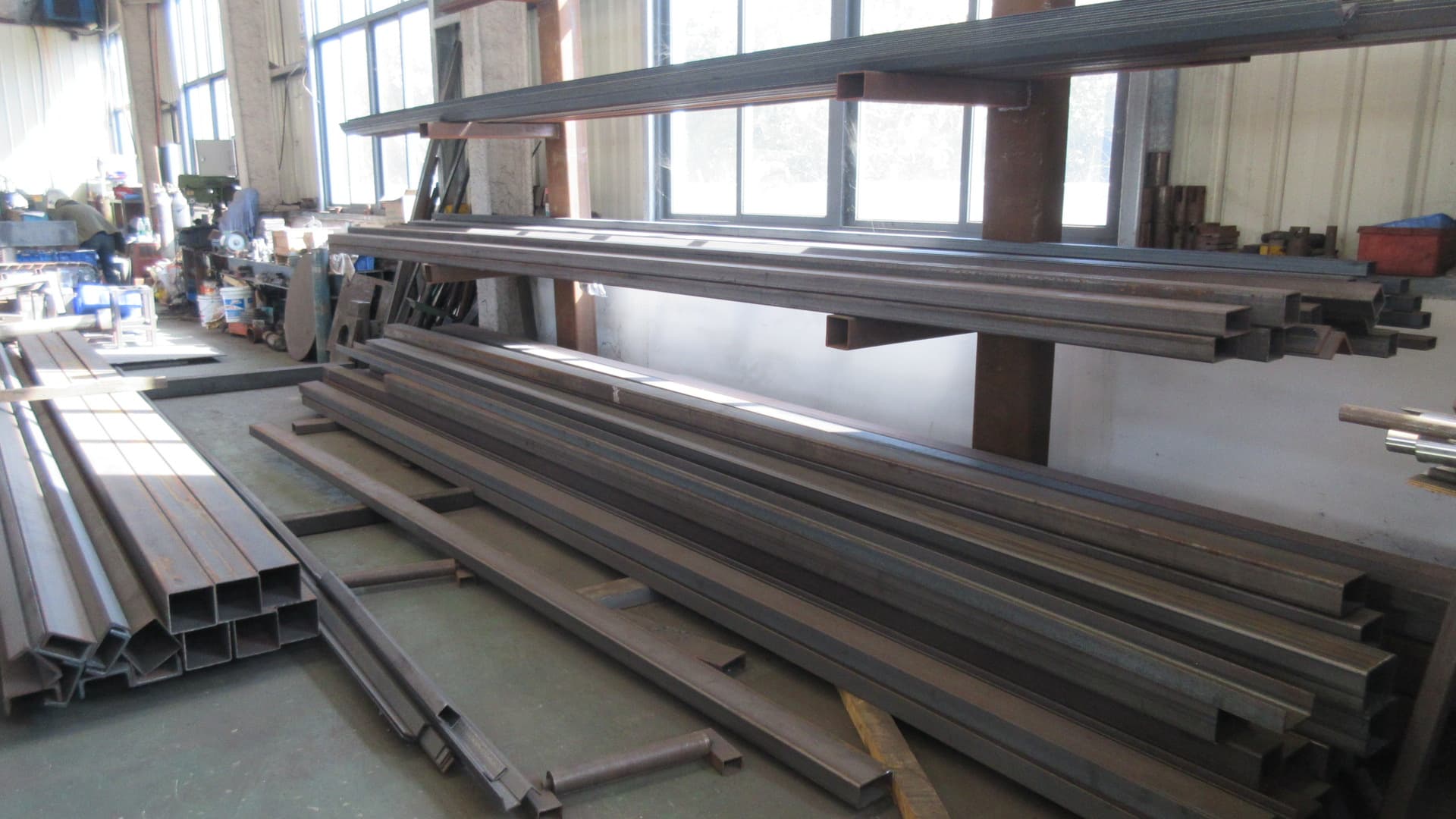
Raw Materials
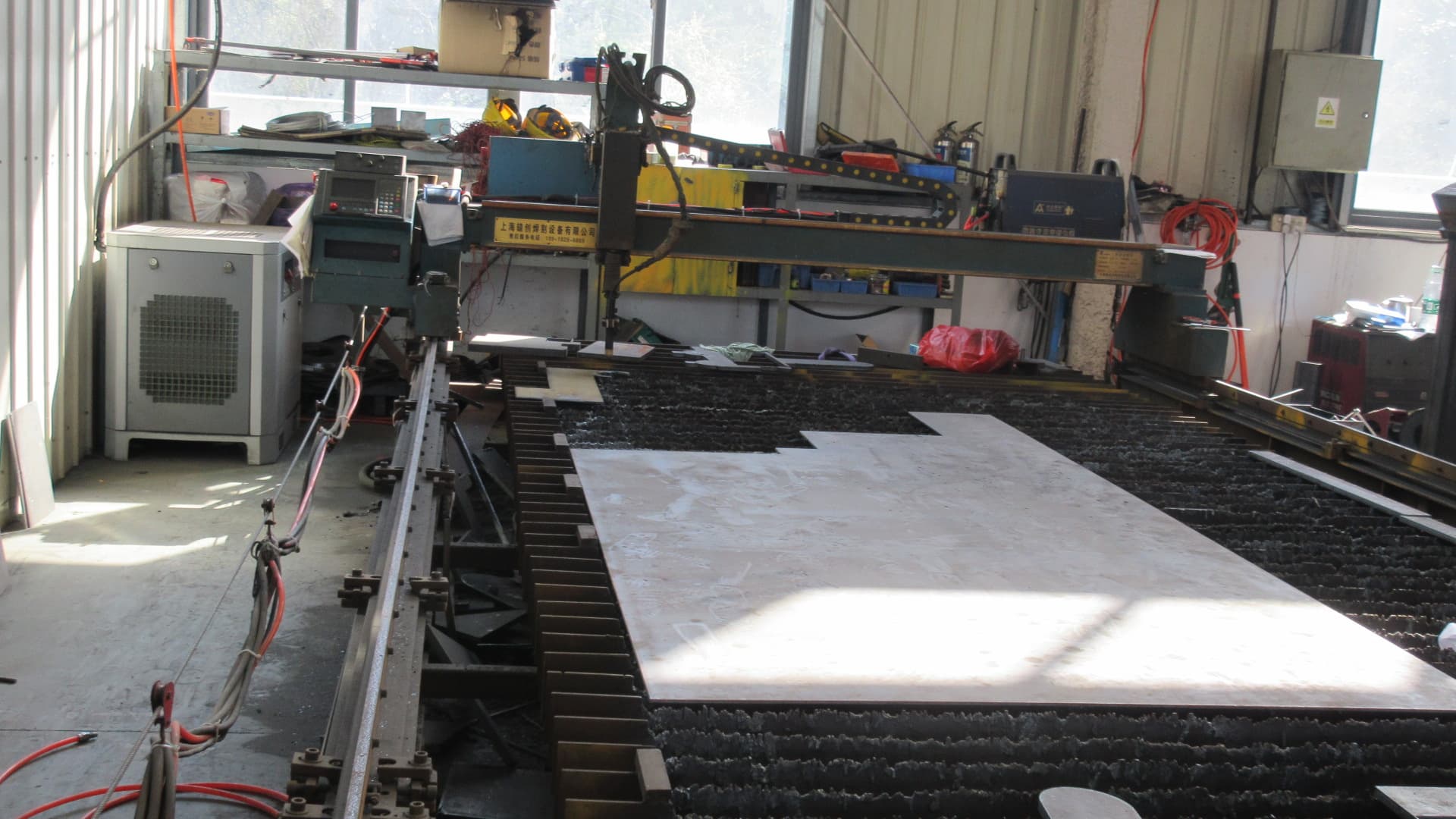
Cutting
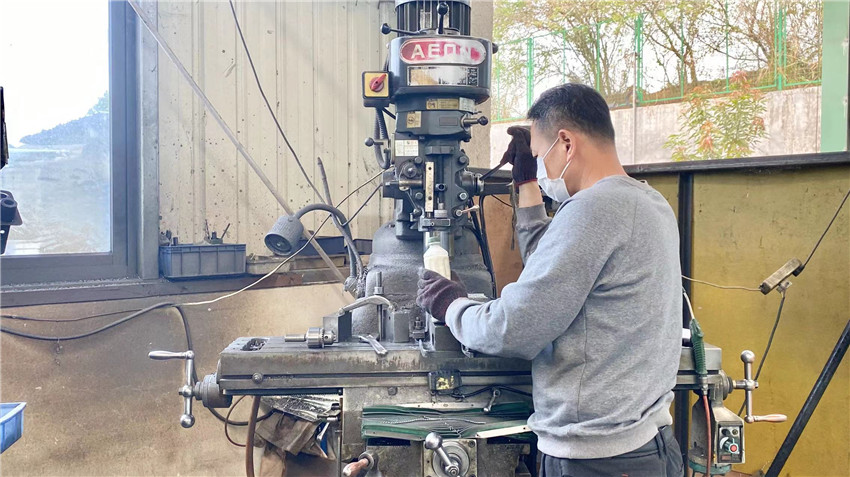
Machining
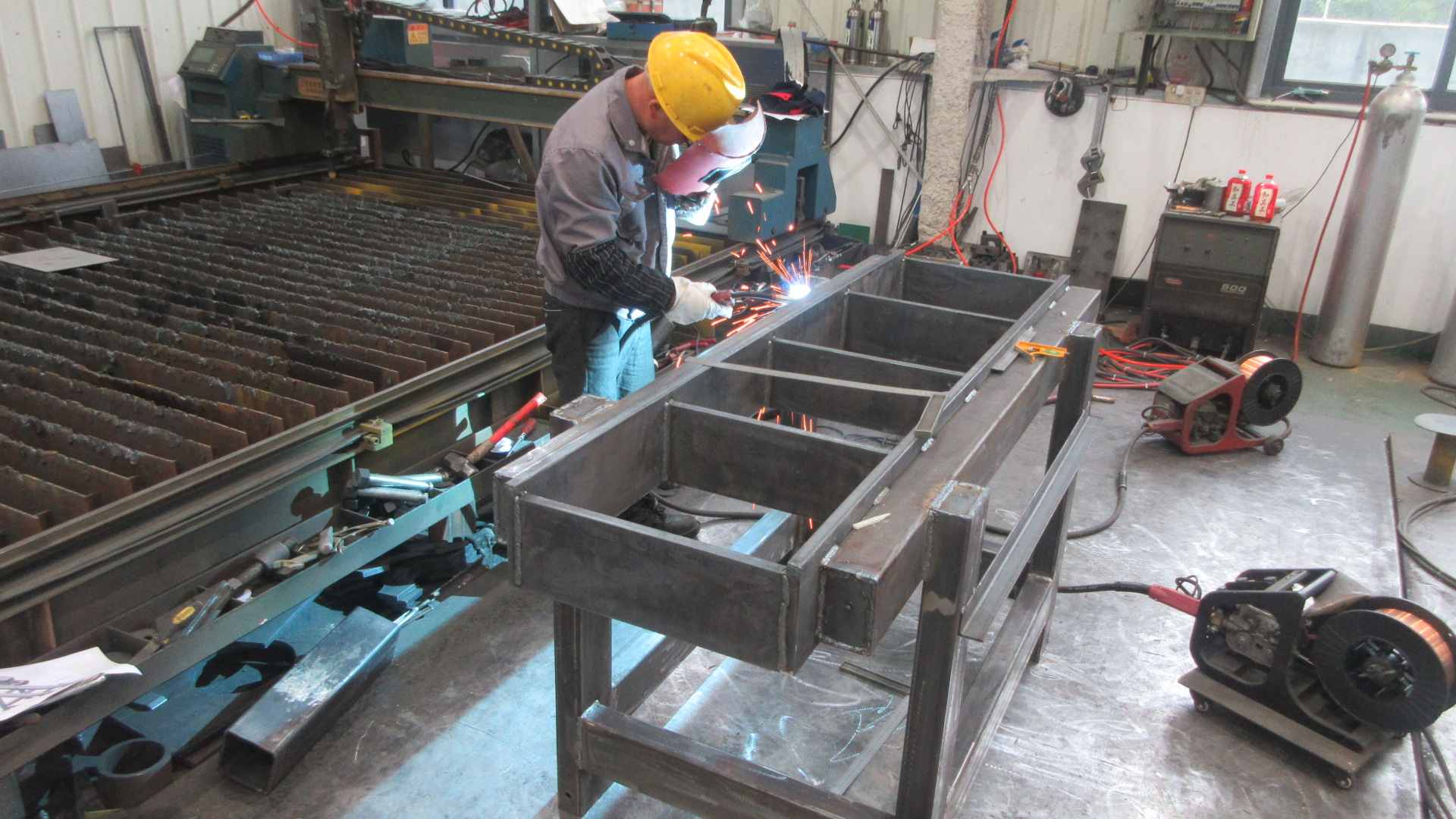
Welding
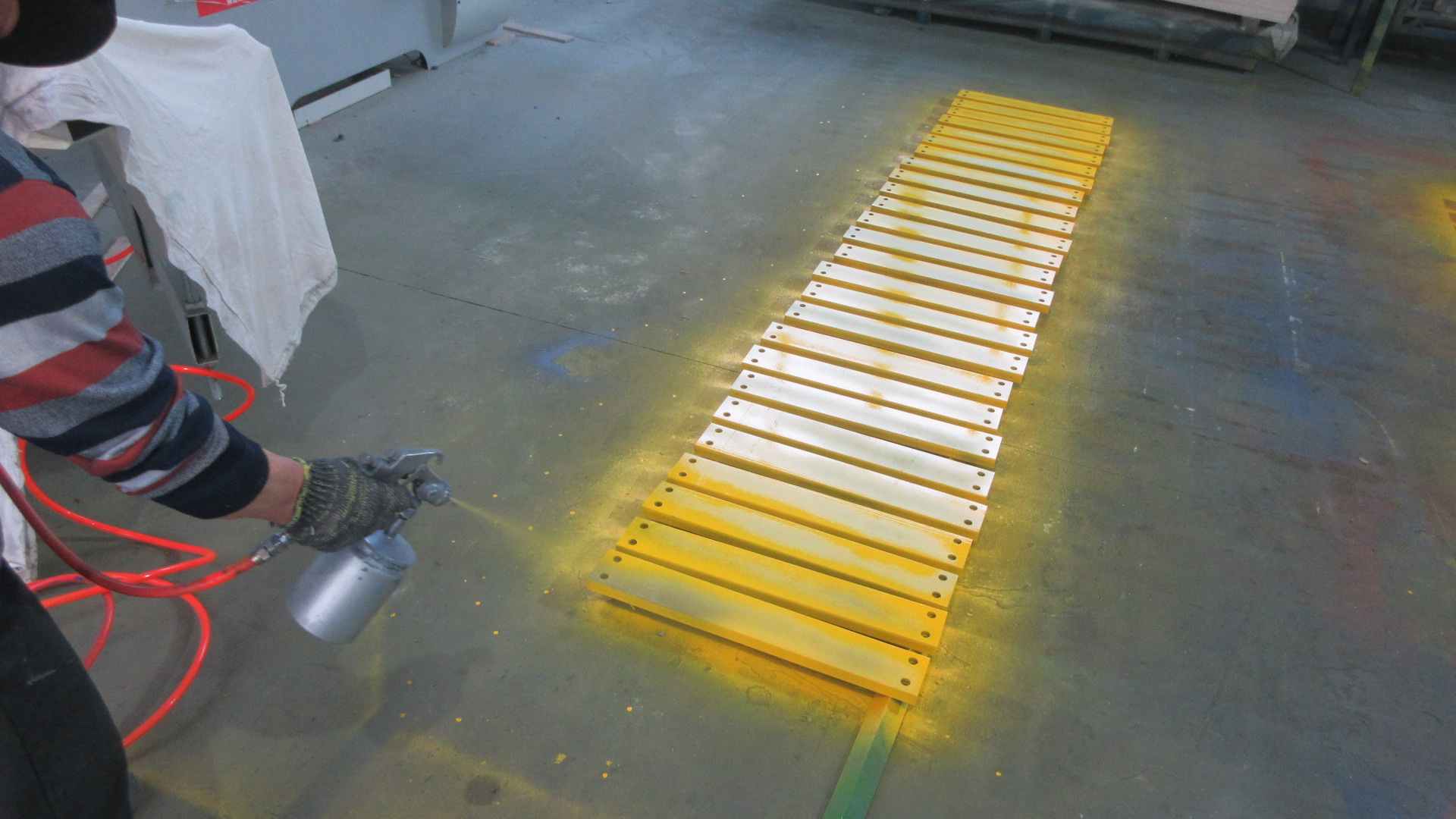
Painting & Finish
Understanding the transition from manual drilling operations to AI-assisted directional monitoring and high-durability materials.
Traditional tungsten carbide undergoes significant thermal degradation at high shear speeds. Next-generation bits feature micro-alloying and sub-micron grain sizes. By pairing high-purity binders with cobalt-rich matrixes, our drilling interfaces resist micro-fracturing under extreme rotational and percussive stress profiles.
Modern horizontal directional drilling relies heavily on steerable housings equipped with electromagnetic or wireline trackers. As infrastructure complexity increases in municipal environments, directional accuracy is vital. Our heavy-walled, non-magnetic drill collars ensure zero signal interference for deep navigation.
Fluid management systems are shifting to zero-discharge, high-recovery loops. High-speed coolant joints, like our 70bar rotary unions, prevent pressure loss during continuous operations, decreasing pump friction, lowering fuel consumption, and preventing localized borehole contamination.
Deploying the appropriate tooling configuration to match geological parameters, drill rigs, and depth requirements.
Coring and deep borehole stability tools
Trenchless HDD technology for urban utility
High-pressure DTH hammers for hard rock
For gold, copper, and iron ore exploration, obtaining undisturbed geological core samples is critical. Operations in highly fractured, abrasive quartz or igneous rock require core bits and stabilizers that resist lateral vibration and wear.山东 Savvy Tools supplies precision PCD and carbide core bits that maximize core recovery rates while maintaining cutting-edge geometry. Our premium drill rod assemblies limit deflection over long horizontal or vertical spans, safeguarding sample purity and ensuring exact structural analysis.
Crucial technical answers regarding metallurgy, tool geometries, and optimization of rate of penetration (ROP).
High-pressure DTH hammers (typically operating between 15 and 35 bar) maximize ROP by utilizing higher air density and volumes to drive the internal piston. This delivers higher impact frequency and energy transfer to the button bit. Low-pressure hammers (under 10 bar) are designed for shallow, less-consolidated formations where high air velocity could compromise borehole integrity or where compressor capacity is limited.
HDD systems often rely on magnetic steering sensors located inside the drill string behind the bit to navigate underground utility paths. If the surrounding collars are made of standard carbon steel, they distort the local magnetic field, leading to severe steering errors. Non-magnetic slick collars (produced from specialized austenitic stainless steels or alloys) prevent magnetic field distortion, ensuring steerable probes report precise coordinates.
Without proper heat treatment, drill rods experience failure via thread stripping or body fatigue. Quenching and tempering create a dual-phase steel structure that maximizes core toughness (tensile strength) while providing a wear-resistant exterior. Annealing relieves residual stresses induced during forging and machining, eliminating internal fracture zones along the tool joint transitions.
These rotating joints are engineered to transfer high-pressure cutting fluids (up to 70 bar/1015 PSI) directly through the machine spindle into the tool tip while rotating at speeds up to 12,000 RPM. Specialized silicon carbide or tungsten carbide seals are used to resist dry run wear, reduce thermal friction, and prevent external coolant leaks, protecting the spindle bearings from contamination.
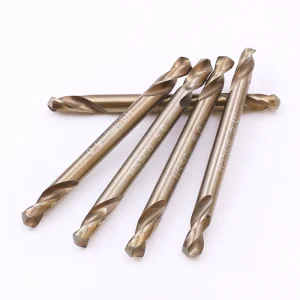
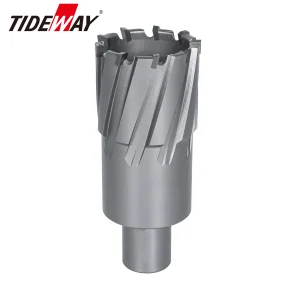
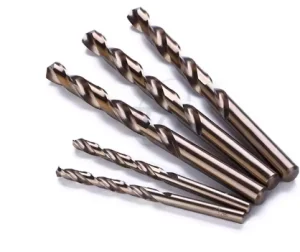
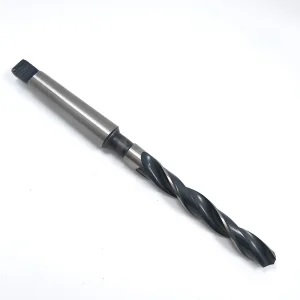
Premium structural casings, high-pressure impactors, safety releasing joints, and high-tolerance HSS drill bits.
 Savvy Tools