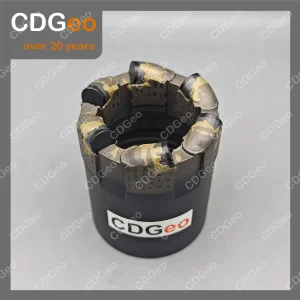
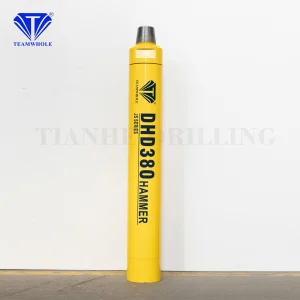
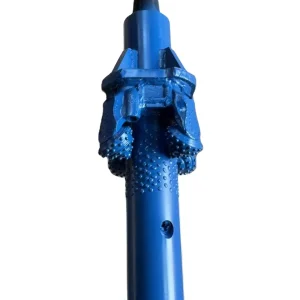
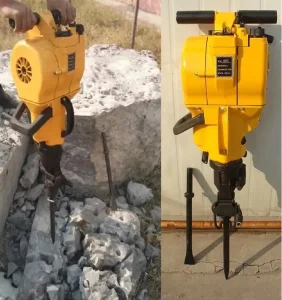
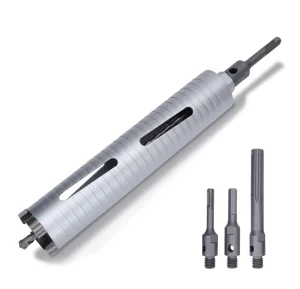
Premium mechanical tools designed to integrate seamlessly with high-performance bentonite drilling mud systems
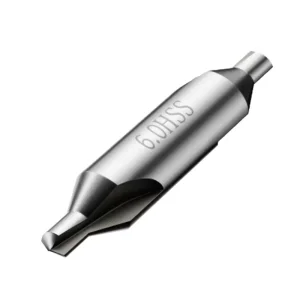
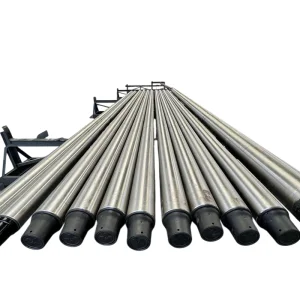
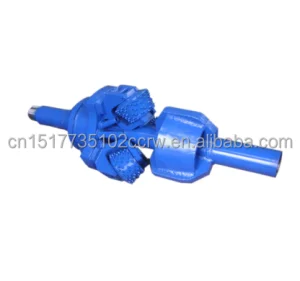
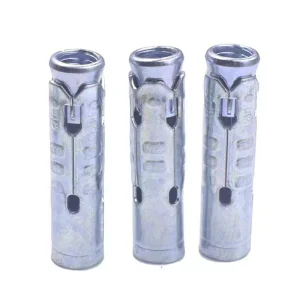

Strict compliance with ISO and API standards ensures optimized yield point, low filtration loss, and perfect viscosity control under extreme downhole pressures.
Montmorillonite-rich sodium bentonite structures form robust thixotropic gels, vital for maintaining borehole integrity and clean cutting transport.
Synchronized physical tool mechanics (PDC core bits, HDD openers) with chemical fluid parameters to reduce friction torque and mitigate fluid loss.
Bentonite clay is a highly versatile aluminum phyllosilicate mineral, primarily composed of the crystalline clay mineral montmorillonite. In global industrial infrastructure, mining exploration, and horizontal directional drilling (HDD), the selection of bentonite clay manufacturers is a critical operational decision. Premium-grade bentonite acts as the foundation for drilling muds, stabilizing structural formations, suspending cuttings, and sealing boreholes against fluid loss.
The core value of high-quality bentonite lies in its unique crystal lattice structure. Each montmorillonite platelet consists of an octahedral alumina sheet sandwiched between two tetrahedral silica sheets. Under hydration, water molecules penetrate the interlayer spaces, causing significant crystalline swelling. Sodium bentonite, in particular, exhibits a high cation exchange capacity (CEC), absorbing up to ten times its dry weight in water and expanding up to fifteen times its dry volume. This swelling capacity creates the highly desired thixotropic rheology: the slurry acts as a liquid under shear forces (during tool rotation and circulation) and solidifies into a gel when static, preventing cutting settlement and avoiding catastrophic stuck pipe events.
For engineering departments and procurement officers evaluating Bentonite suppliers, adhering to international industry standards is paramount. The table below outlines the necessary rheological parameters for standard API-grade drilling bentonite and OCMA-grade (polymer-treated) variants.
| Performance Property | API Spec 13A (Section 9) | OCMA Grade (Section 11) | Industrial Relevance |
|---|---|---|---|
| Suspension Properties (600 rpm reading) | Minimum 30 | Minimum 30 | Determines high shear rate viscosity and carrying capacity. |
| Yield Point / Plastic Viscosity Ratio | Maximum 3.0 | Maximum 6.0 | Controls progressive gel strength and hydraulic efficiency. |
| API Filtrate (Fluid Loss) | Maximum 15.0 cm³ | Maximum 16.0 cm³ | Prevents water invasion into sensitive shale formations. |
| Moisture Content | Maximum 12.0 wt% | Maximum 13.0 wt% | Ensures stable storage life and easy dispersion in field mixing. |
| Wet Residue (> 75 micrometers) | Maximum 2.5 wt% | Maximum 4.0 wt% | Minimizes abrasive wear on mud pumps and downhole motors. |
In today's macro-economic environment, procurement strategies for raw minerals like bentonite have shifted toward risk-diversified, high-reliability supply chains. Globally, industries demand high performance, environmental compliance, and integrated logistics. Key sourcing trends include:
Shandong Savvy Tools Co., Ltd. is a professional manufacturer and supplier of drilling tools and mining equipment, located in Shandong Province, China. Since its establishment, the company has been committed to the research, development, production, and global distribution of high-quality drilling and mining solutions for customers worldwide.
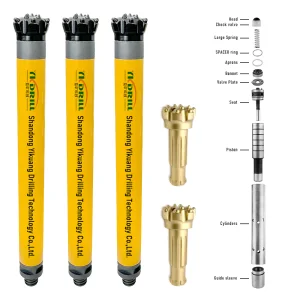
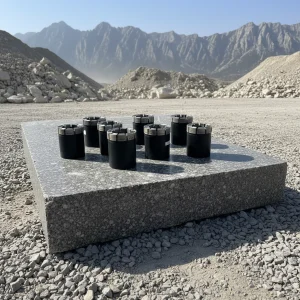
Our main product range includes PDC drill bits, tricone (roller cone) bits, DTH hammers and bits, core drilling tools, anchor drilling tools, drill rods and drill pipes, cutting picks, PDC cutters, carbide drill bits, and various customized drilling accessories. These products are widely used in mining, geological exploration, water well drilling, oil and gas drilling, construction engineering, and tunneling projects.
With advanced manufacturing equipment, a skilled technical team, and a strict quality management system, Shandong Savvy Tools Co., Ltd. continuously improves product performance and production efficiency. We carefully select premium raw materials and implement rigorous quality inspections throughout every stage of manufacturing to ensure reliability, durability, and consistent performance in demanding working conditions.
In addition to our own product lines, we maintain strong partnerships with leading domestic manufacturers, enabling us to provide customers with a broader range of drilling equipment and cost-effective solutions. Our experienced sourcing and engineering teams are highly familiar with industry standards and product applications, allowing us to recommend the most suitable products for different drilling environments.
Guided by the principles of quality, innovation, and customer satisfaction, Shandong Savvy Tools Co., Ltd. has established long-term business relationships with clients across Asia, Europe, the Middle East, Africa, North America, and South America. We are dedicated to delivering reliable products, competitive prices, professional technical support, and comprehensive after-sales service. We sincerely welcome customers and partners from around the world to cooperate with us and create mutual success for the future.
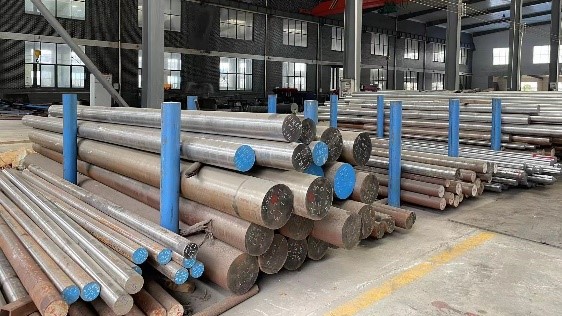
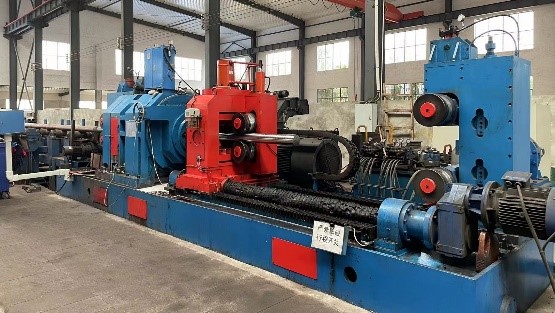
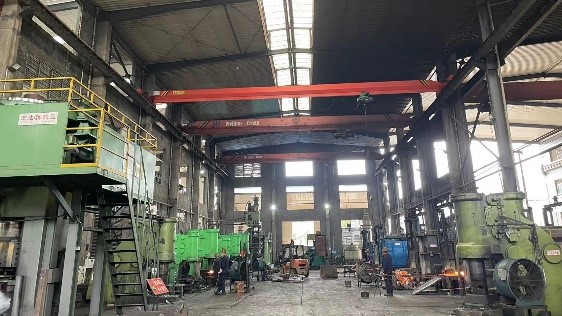
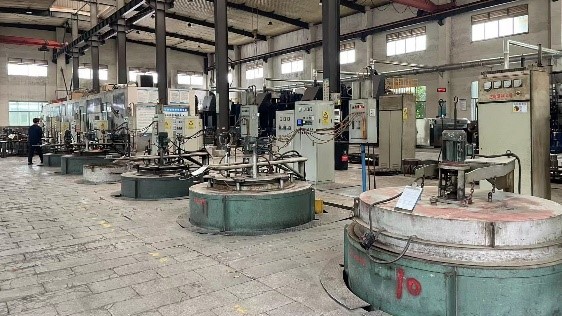
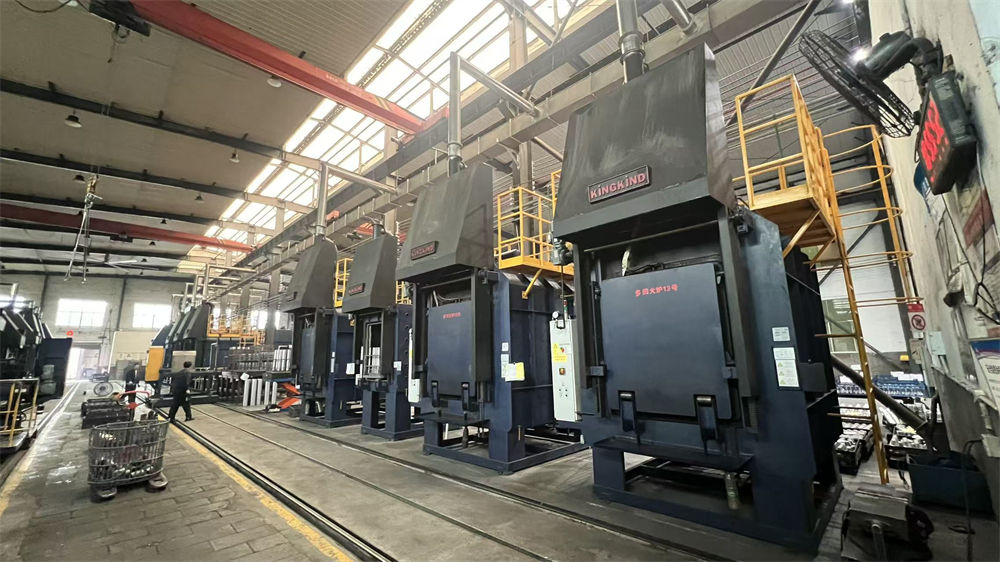
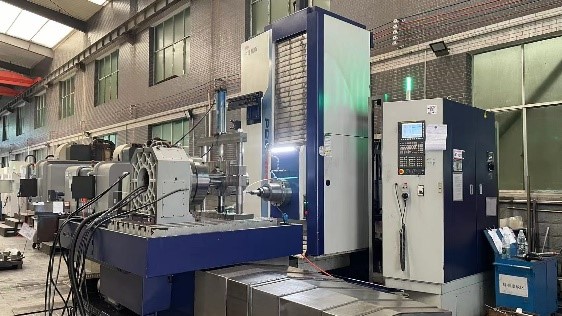
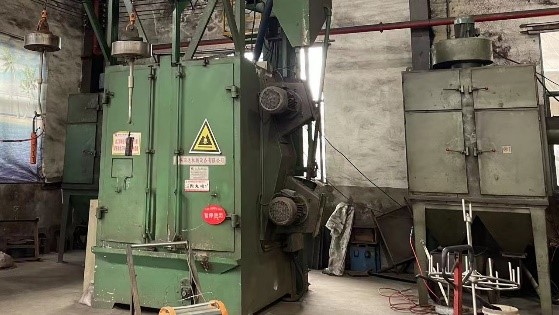
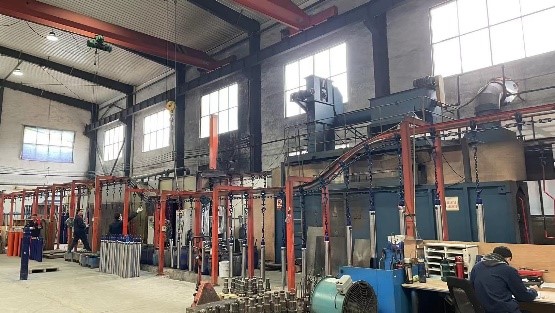
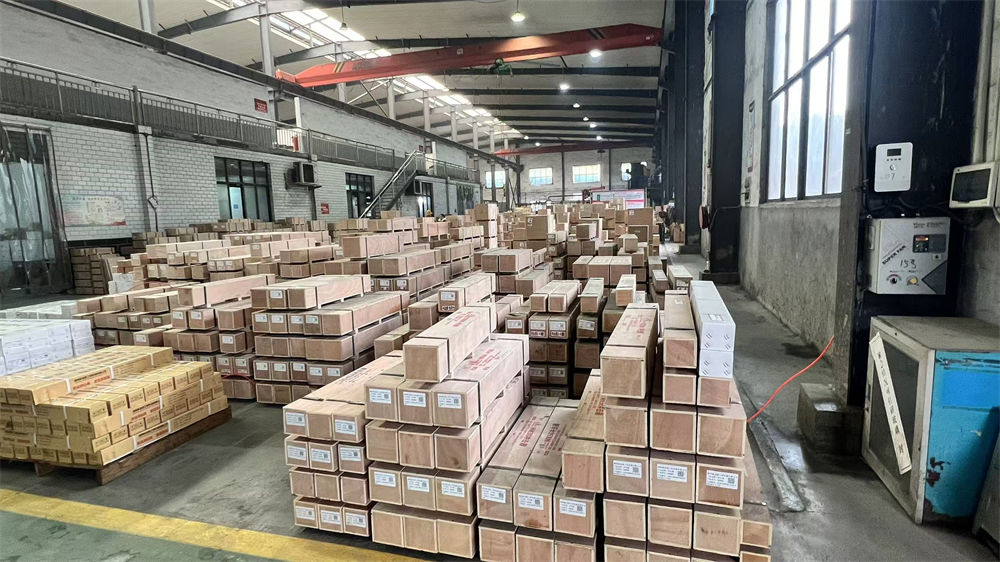
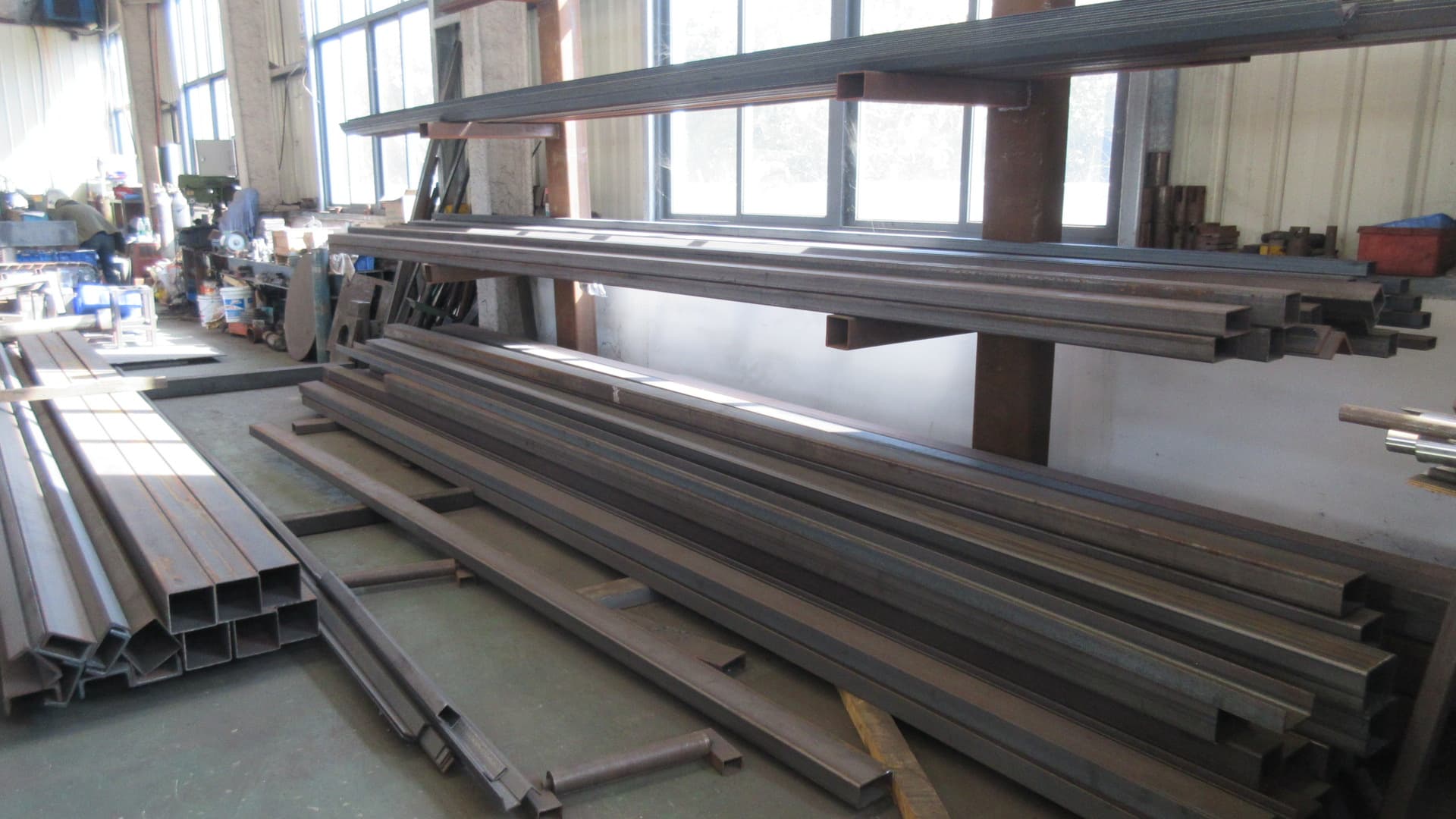
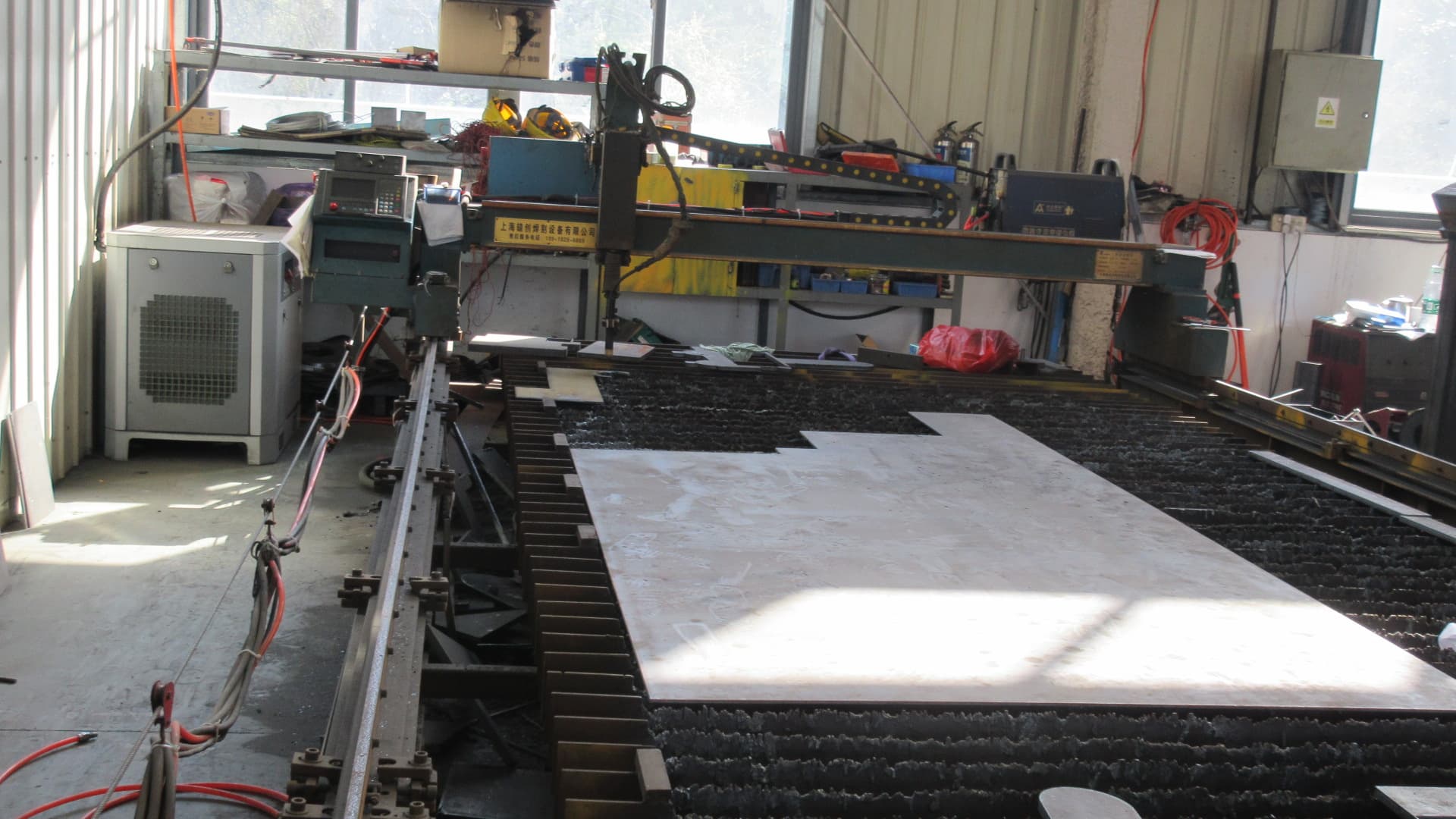
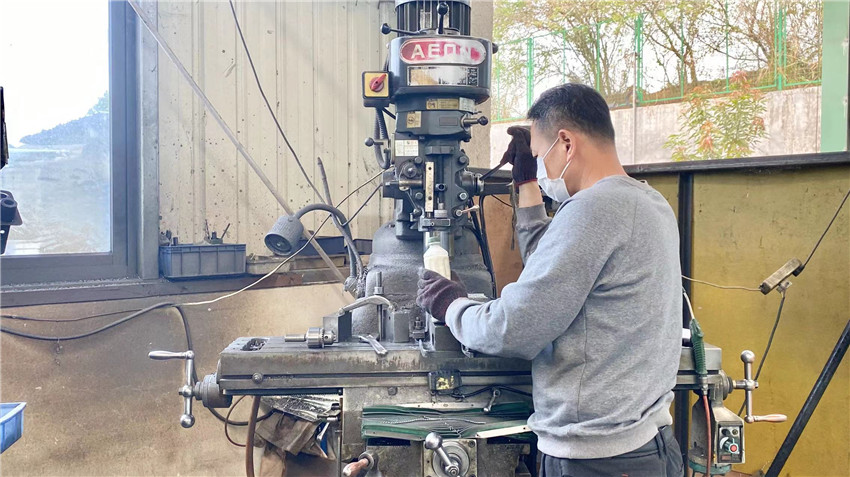
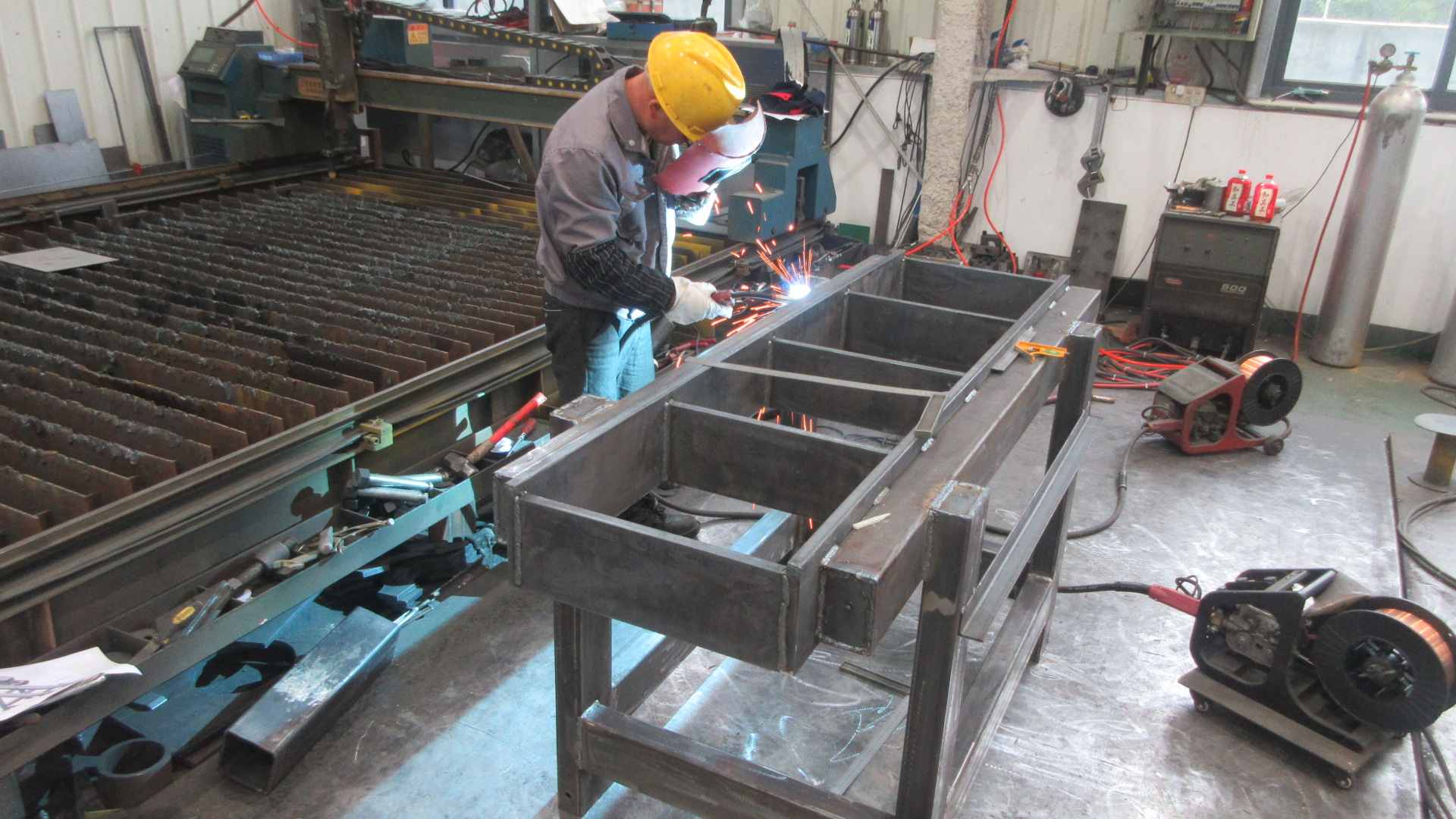
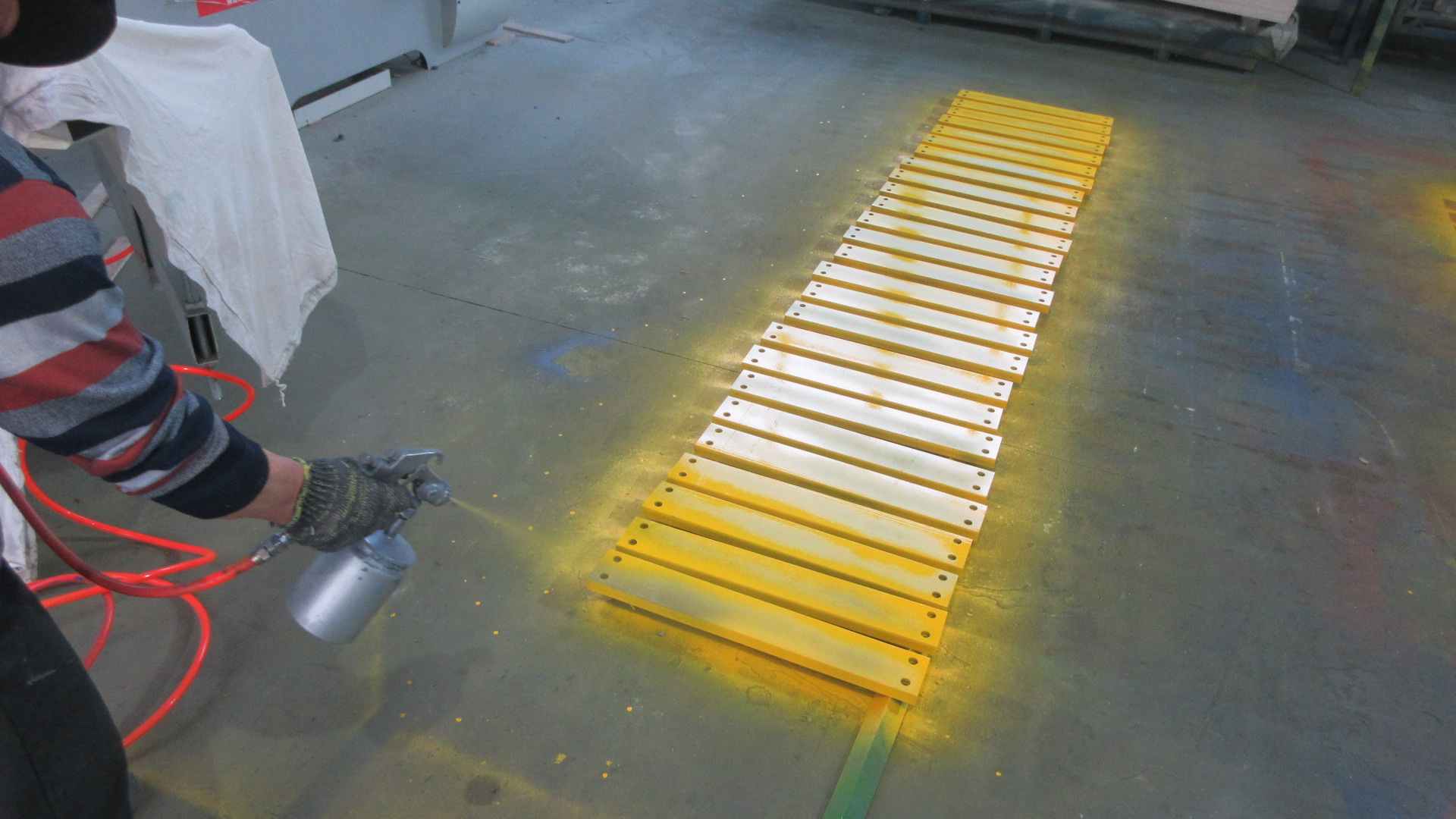
Excellence begins at the processing line. From selecting top-tier raw materials to precision engineering and quality control, every stage of our production is optimized for reliable field performance.
Selecting the correct bentonite clay grade requires evaluating the geological profile of your project. Standard sodium bentonites excel in stable sedimentary rocks, but complex formations require advanced solutions:
Active clays can absorb water from drilling fluids, leading to swelling, sloughing, and hole collapse. To address this, manufacturers use potassium-treated or polymer-enriched bentonite slurries to limit hydration in the formation, maintaining wellbore stability in challenging environments.
In high-angle or horizontal wells, maintaining flow velocity is critical to prevent cutting settlement. The combination of premium bentonite mud and high-performance tooling, such as HDD rock hole openers, maximizes hole cleaning and reduces drag torque on the drill string.
In civil engineering applications (like slurry walls and tunnel boring), bentonite forms an impermeable filter cake. This thin layer seals porous formations, prevents fluid loss into surrounding areas, and helps maintain hydrostatic pressure on the excavation face.
The global drilling and materials processing industries face evolving demands. The technical roadmap for bentonite technology focuses on several key areas:
Find answers to common technical questions about bentonite clay chemistry, procurement specs, and downhole operations.
The primary difference lies in the interlayer cations and their hydration capabilities. Sodium Bentonite features sodium ions ($Na^+$) in its crystal layers, allowing for significant water absorption, crystalline swelling, and the formation of thixotropic gel structures. This makes it ideal for drilling muds, borehole stabilization, and fluid-loss barriers. Calcium Bentonite ($Ca^{2+}$) has a lower swelling capacity. However, it can be chemically activated via sodium carbonate ion-exchange to improve its swelling and rheological performance to meet API standard requirements.
Bentonite hydration is highly sensitive to water quality. The presence of divalent ions like calcium or magnesium in hard water, or high salinity (sodium chloride) in saltwater, compresses the electrical double layer of the montmorillonite platelets. This leads to flocculation, which significantly reduces viscosity, gel strength, and fluid-loss control. To prevent this, make sure to pre-treat water with soda ash ($Na_2CO_3$) to precipitate calcium ions, or use specialized salt-tolerant polymers to stabilize the slurry.
An effective filter cake is a thin, low-permeability layer of bentonite platelets deposited on the borehole wall. This layer seals permeable formations and prevents drilling fluid filtrate from invading surrounding soils. In HDD, a high-quality filter cake prevents hole collapse, mitigates frac-outs (involuntary fluid release to the surface), and lowers friction, ensuring smoother pull-back operations for your tools.
Downhole efficiency is determined by both mechanical tools and drilling fluids. Shandong Savvy Tools designs its PDC bits, HDD rock hole openers, and tricone cutters with optimized nozzle diameters and fluid paths. This ensures high-viscosity bentonite slurries can pass through without causing pressure spikes, while providing sufficient velocity to clean the cutting structure and prevent bit balling.
Every batch should undergo testing according to API RP 13B-1 protocols. This includes using a Marsh Funnel to check viscosity, a rotational viscometer to measure plastic viscosity and yield point, an API filter press to assess fluid loss, and wet-screen sieve analysis to verify that grit content is below 2.5% to protect downhole pumps.
While synthetic polymers (like PHPA) provide excellent lubrication and shale stabilization, they lack the structural filtration control and temperature resistance of natural bentonite. Combining both materials is often the best approach: bentonite forms the filter cake and provides thermal stability, while polymers modify fluid characteristics and help limit clay swelling.
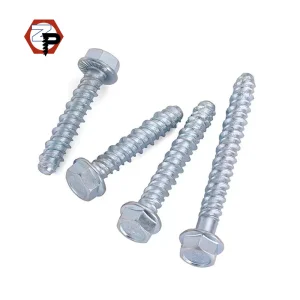
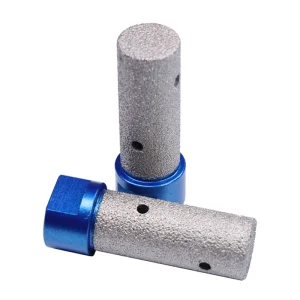
High-quality engineering components designed for global energy exploration, excavation, and structural construction
 Savvy Tools