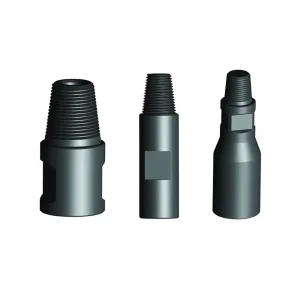
Explore our high-performance components tailored to the specifications of the North Sea marine engineering sector and Antwerp's deep industrial infrastructure.
Antwerp, recognized as one of the world's leading chemical and logistics clusters, demands robust engineering solutions that support complex geotechnical works, dock construction, and offshore energy logistics. Within the Port of Antwerp-Bruges and the surrounding Scheldt delta, construction and maintenance operations require high-pressure piping systems and reliable drill rod assemblies capable of navigating variable silt, clay, and rock layers.
The local industrial ecosystem relies heavily on specialized mechanical equipment. In particular, tool joints, which link the individual segments of drill strings together, are crucial. These joints must bear extreme torque, axial tension, and intense bending stress under deep foundations. For Antwerp’s engineering firms, securing high-yield, API-compliant connection joints is not just a standard procedure; it is essential to preventing downhole failures and minimizing operational downtime.
In recent years, European procurement teams in Belgium and Germany have increasingly optimized their supply chains by looking beyond domestic margins. Rising material costs and extended production lead times in Western Europe have shifted attention toward direct factory sourcing models from China.
By partnering with high-precision Chinese factories, Antwerp-based distributors and geotechnical contractors can access advanced metallurgy, strict quality controls, and shorter lead times, ensuring competitive pricing and consistent project delivery.
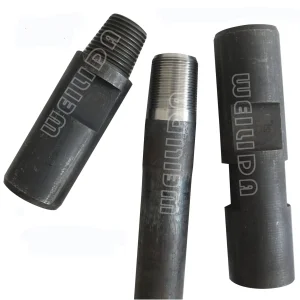
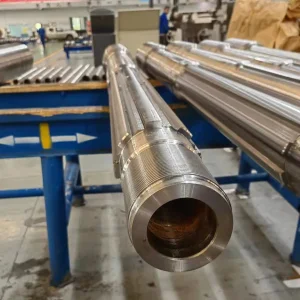
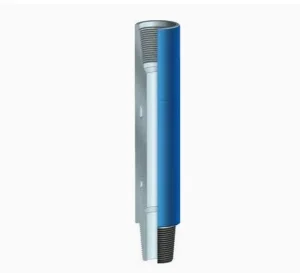
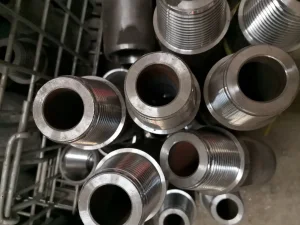
A tool joint is the threaded connection segment of a drill pipe, categorized into the pin (male thread) and the box (female thread). Because the joints are subjected to the highest torsional loads and tensile stresses during drilling, their design, material properties, and thermal processing are critical to performance.
High-quality tool joints are forged from premium structural alloy steel, primarily AISI 4137H or AISI 4145H (chromium-molybdenum alloy steels). These materials provide an optimal balance of hardness, ductility, and fatigue limits. The physical characteristics after rigorous heat treatment must conform to strict standards:
Threads must be precision-machined using state-of-the-art CNC lathes. Standard configurations include API Internal Flush (IF), Regular (REG), and Full Hole (FH). Additionally, to avoid surface wear and cold-welding (galling) during makeup and break-out cycles, tool joint threads undergo specialized surface treatments:
Phosphate Coating (Manganese/Zinc): Creates a porous chemical barrier that retains lubricating thread compounds (dope) and lowers friction coefficients during makeup. Combined with cold rolling of the thread roots, this process redistributes residual compressive stress, enhancing fatigue resistance.
Modern drill pipes are fabricated by friction-welding the tool joints to the upset ends of the drill pipe body. The intense frictional heat generated by rapid rotation under high axial load fuses the joint and pipe body without adding filler metal. The weld zone is then subjected to post-weld heat treatment (PWHT), followed by internal and external machining to remove flash, creating a seamless, high-strength connection.
Shandong Savvy Tools Co., Ltd. is a professional manufacturer and supplier of drilling tools and mining equipment, located in Shandong Province, China. Since its establishment, the company has been committed to the research, development, production, and global distribution of high-quality drilling and mining solutions for customers worldwide.
Our main product range includes PDC drill bits, tricone (roller cone) bits, DTH hammers and bits, core drilling tools, anchor drilling tools, drill rods and drill pipes, cutting picks, PDC cutters, carbide drill bits, and various customized drilling accessories. These products are widely used in mining, geological exploration, water well drilling, oil and gas drilling, construction engineering, and tunneling projects.
With advanced manufacturing equipment, a skilled technical team, and a strict quality management system, Shandong Savvy Tools Co., Ltd. continuously improves product performance and production efficiency. We carefully select premium raw materials and implement rigorous quality inspections throughout every stage of manufacturing to ensure reliability, durability, and consistent performance in demanding working conditions.
In addition to our own product lines, we maintain strong partnerships with leading domestic manufacturers, enabling us to provide customers with a broader range of drilling equipment and cost-effective solutions. Our experienced sourcing and engineering teams are highly familiar with industry standards and product applications, allowing us to recommend the most suitable products for different drilling environments.
Guided by the principles of quality, innovation, and customer satisfaction, Shandong Savvy Tools Co., Ltd. has established long-term business relationships with clients across Asia, Europe, the Middle East, Africa, North America, and South America. We are dedicated to delivering reliable products, competitive prices, professional technical support, and comprehensive after-sales service.
Every tool joint and drill pipe accessory produced in our Shandong facility undergoes an integrated manufacturing process. This workflow ensures that raw materials are properly forged, heat-treated, and precision-machined to withstand extreme loads on the job site.
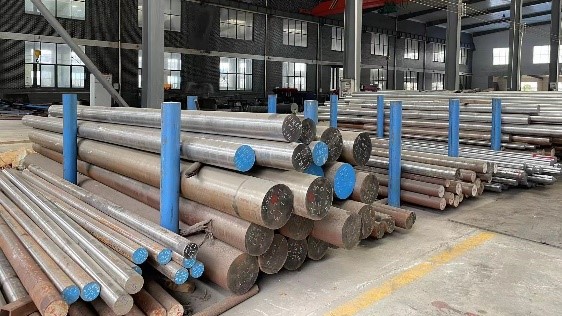
Raw Materials Inspection
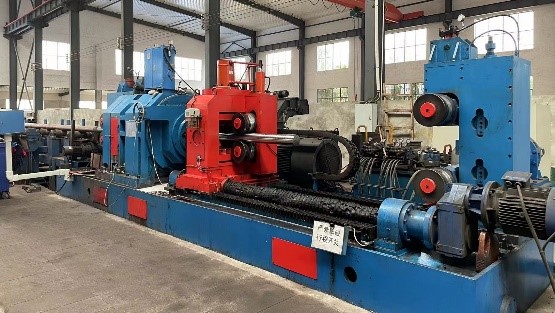
Precision Cutting
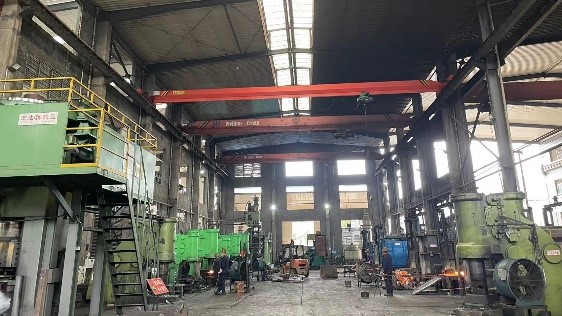
Heavy Forging
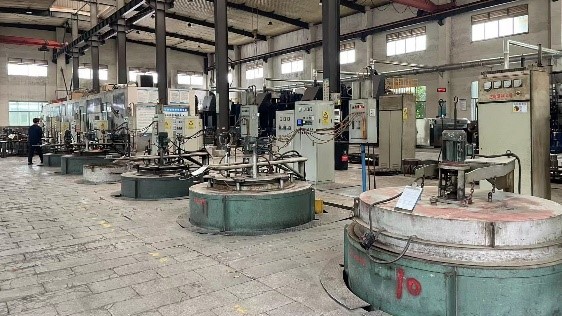
Heat Treatment
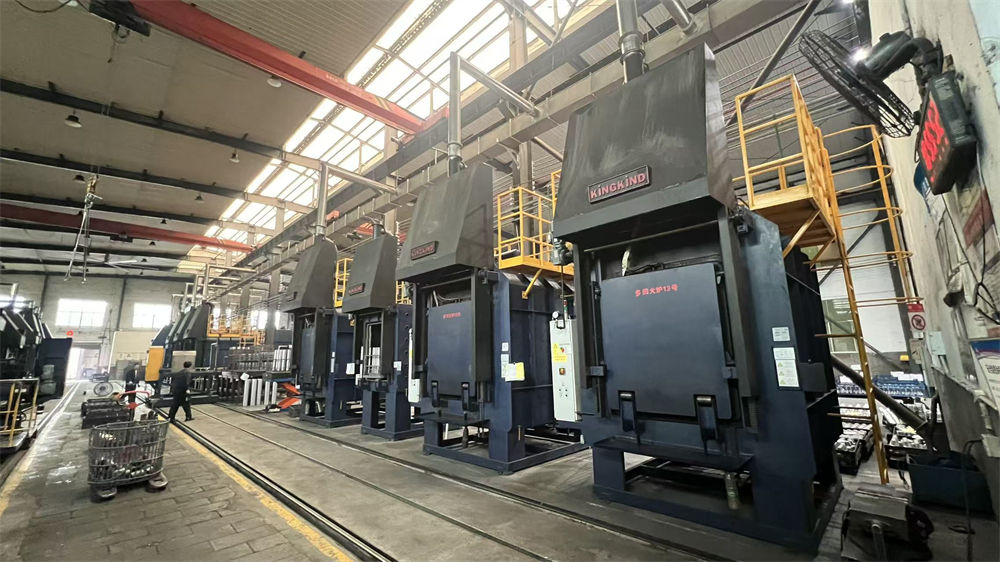
Controlled Annealing
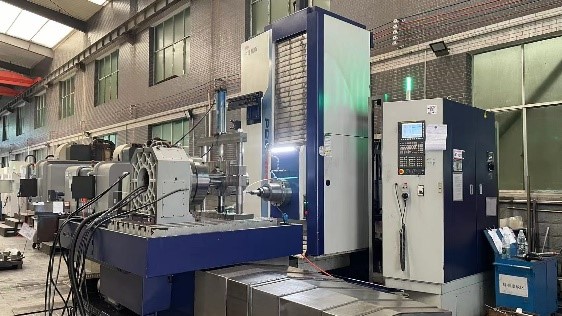
CNC Machining
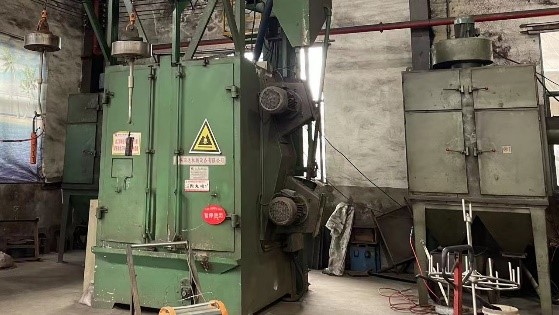
Shot Blasting
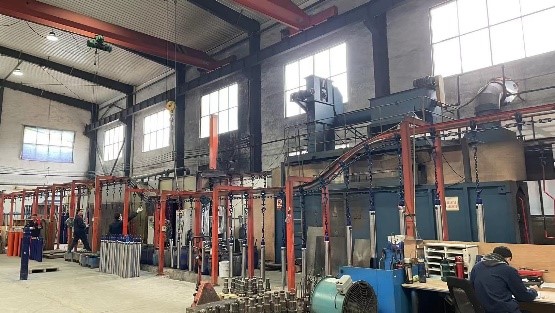
Anti-Corrosion Spraying
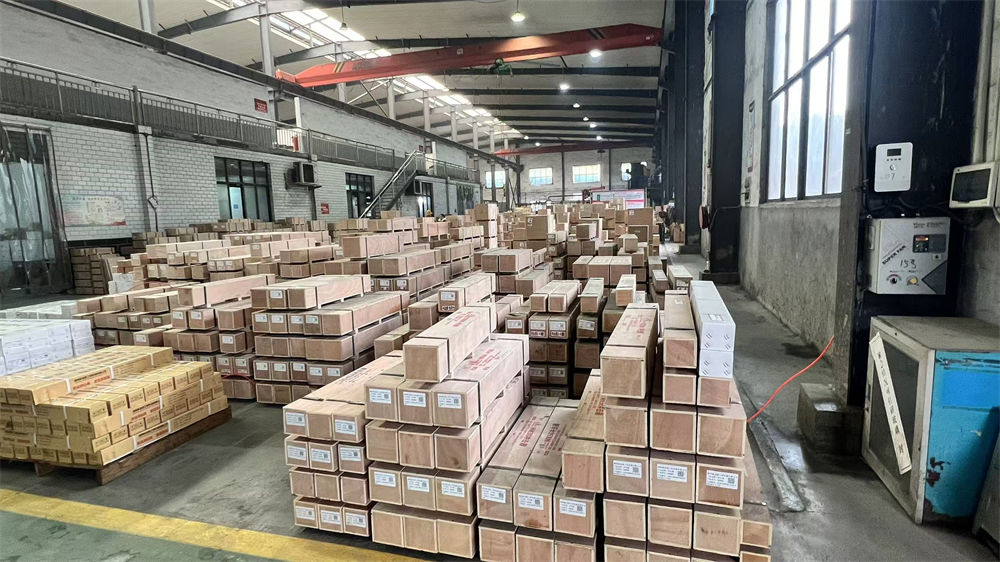
Final Packaging
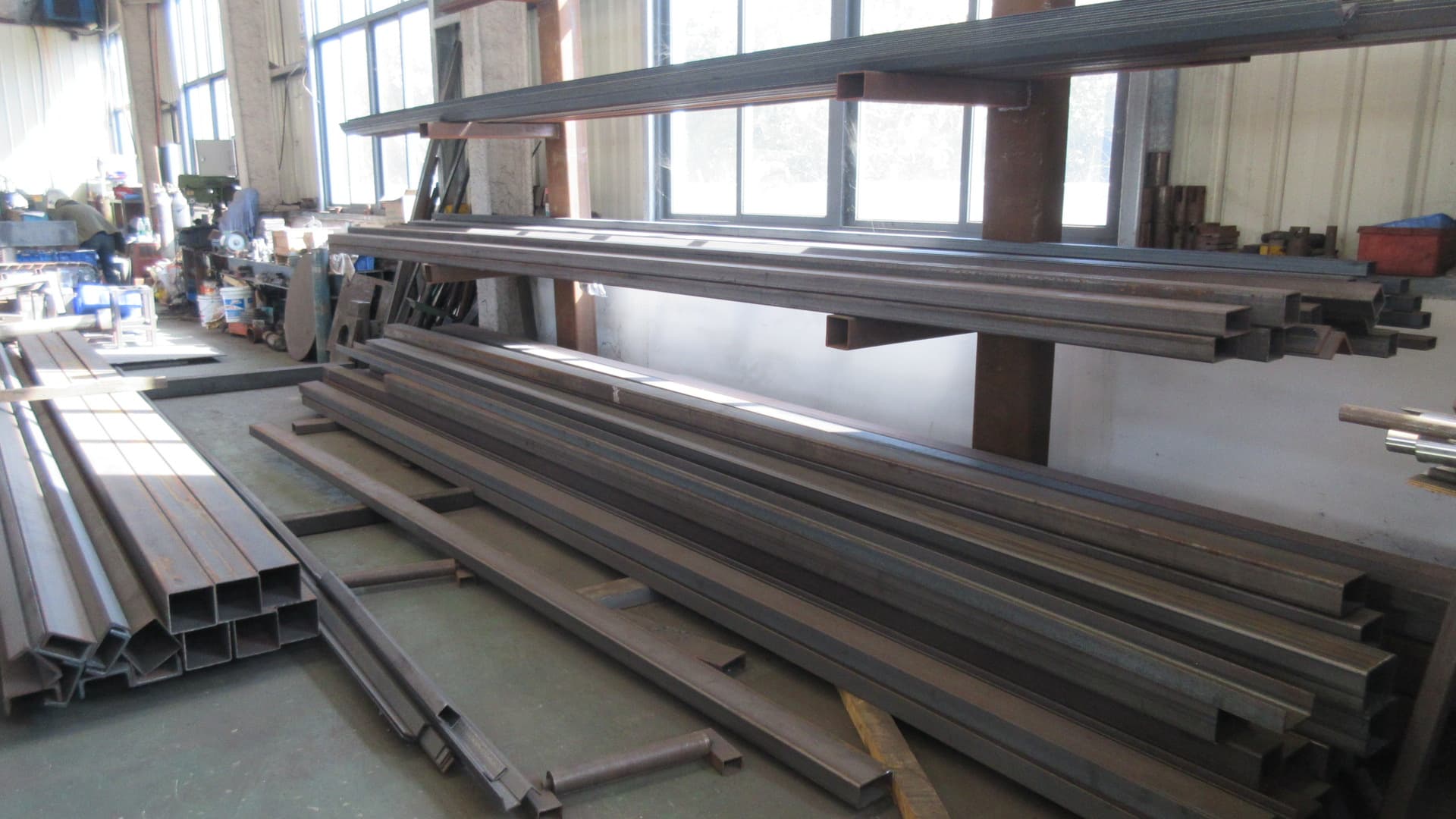
Material Warehousing
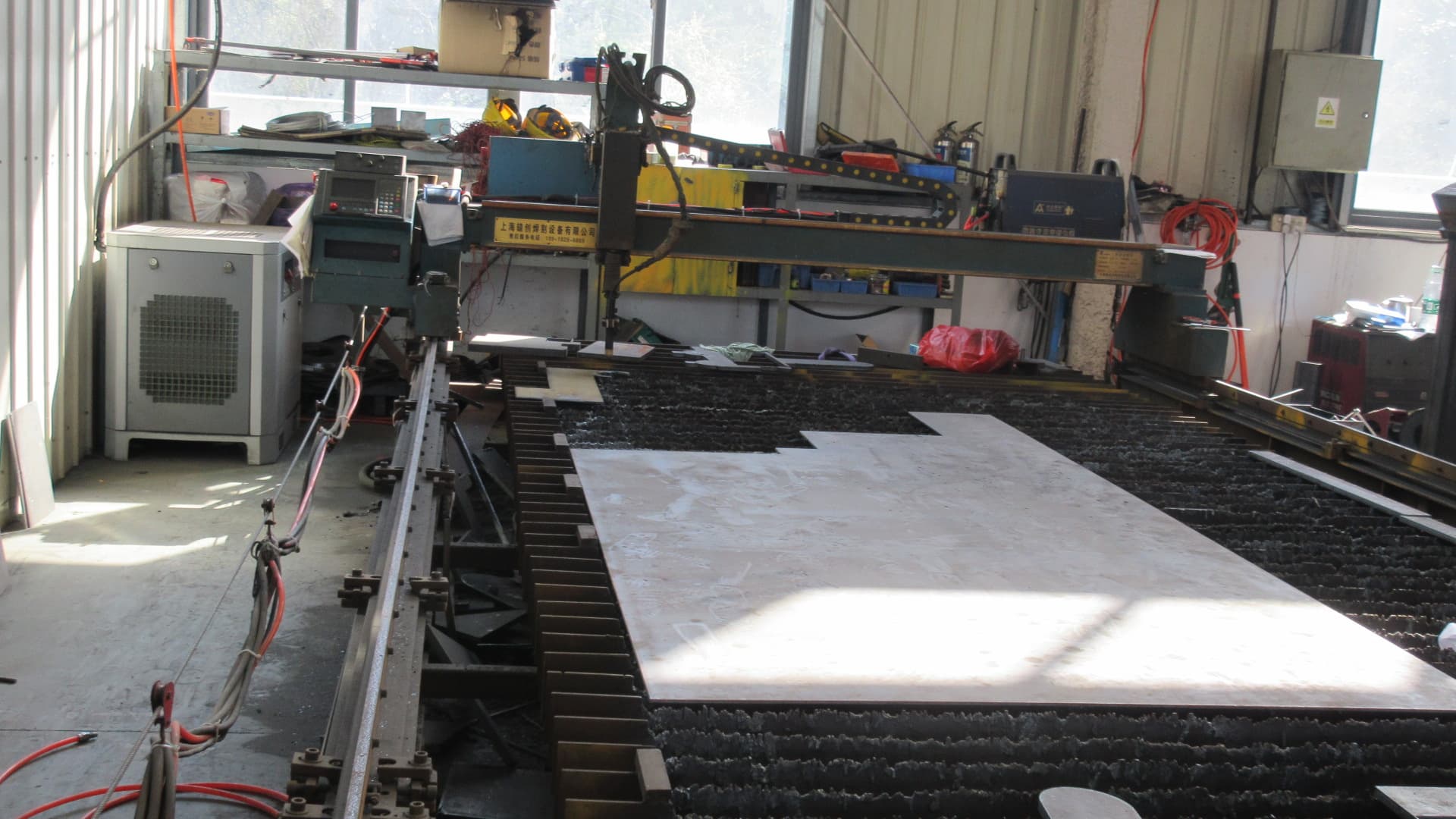
Sizing & Cutting
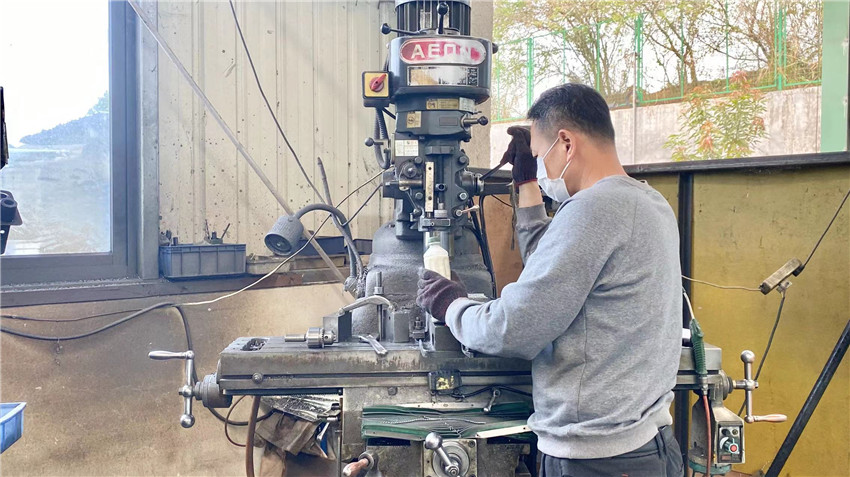
Thread Machining
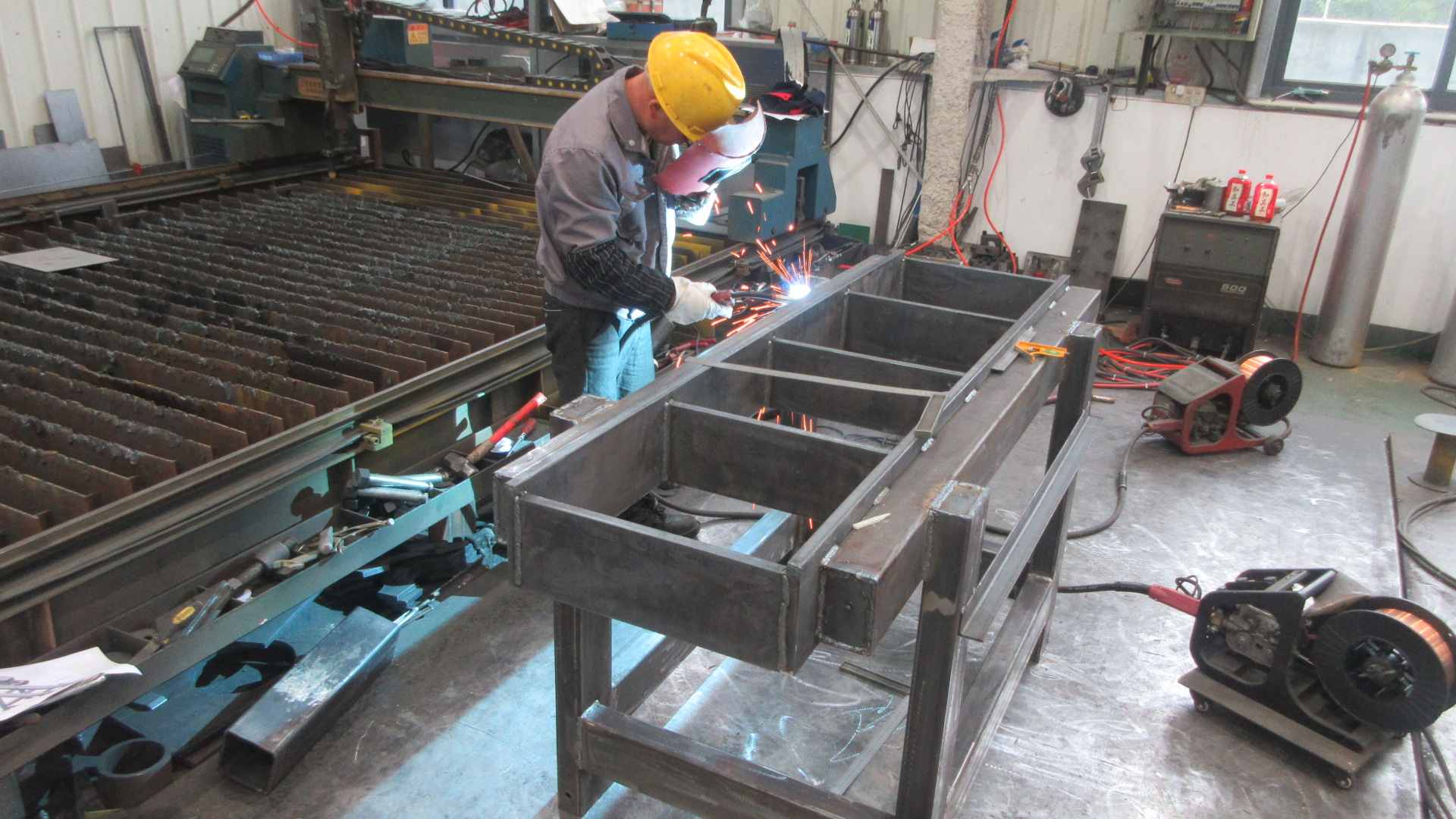
Friction Welding
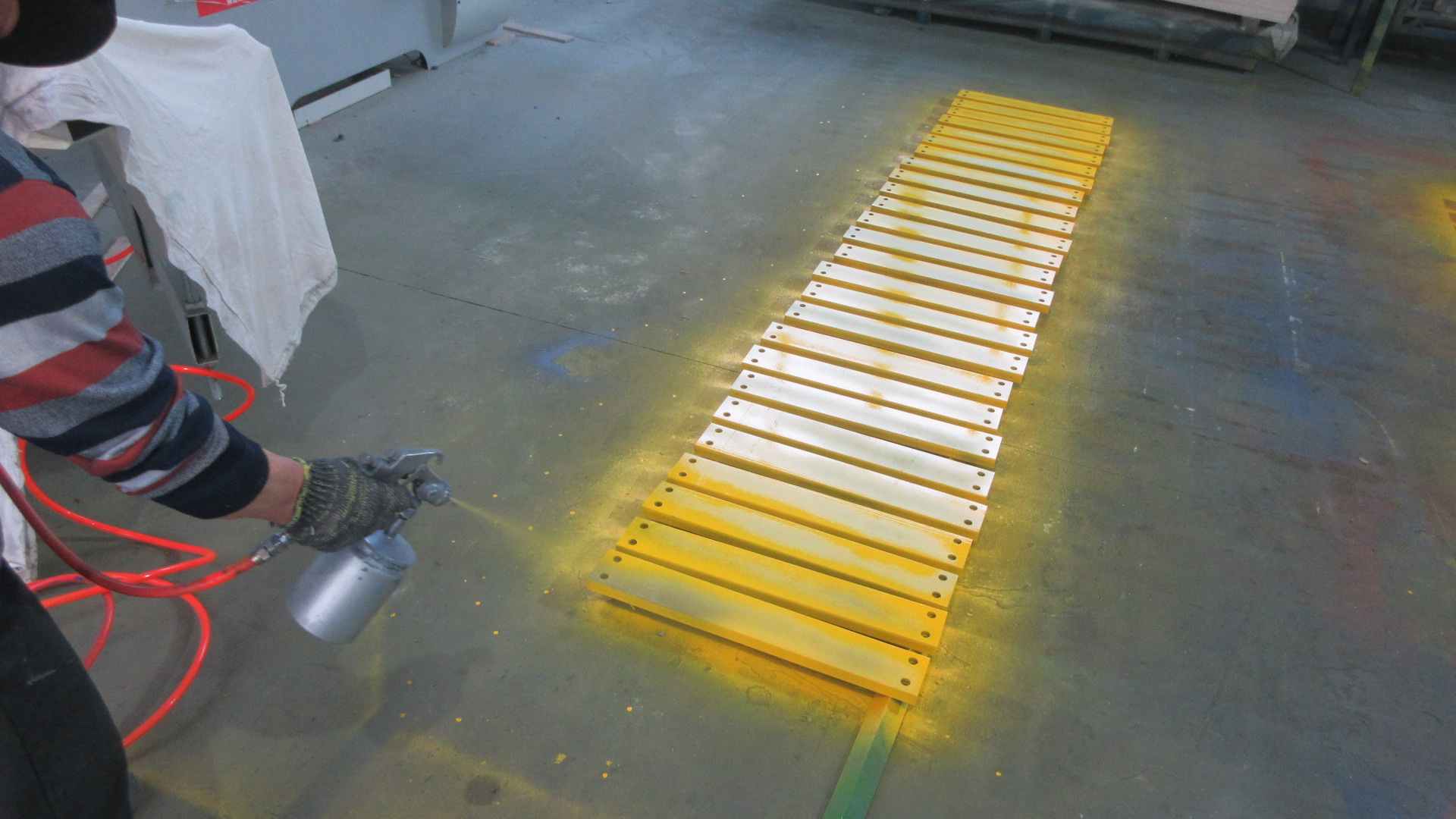
Protective Painting
In Belgium and across Northern Europe, the demand for specialized drilling accessories continues to grow. High-torque tool joints are used extensively in three primary areas:
The global drilling sector is shifting toward digitalized field setups. Key industry trends include:
1. Built-in Data Sensors: The integration of RFID tags and wear sensors in tool joints allows operators to track drill string hours and identify potential failure points before they occur downhole.
2. Wear-Resistant Hardbanding: Applying protective coatings (such as tungsten carbide or chromium alloys) to joint surfaces extends operational life by reducing abrasive wear against casing walls.
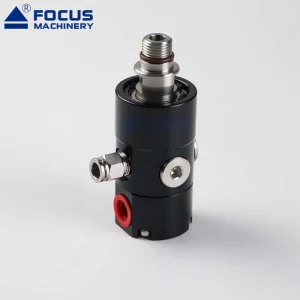
Select from our comprehensive list of API-standard connectors, custom rotary joints, and heavy-duty drilling accessories engineered to meet tough European and global field specifications.
Get expert answers to common queries concerning material grades, quality inspections, and logistical delivery to Antwerp's industrial ports.
 Savvy Tools